Table of Contents
Losing Money and Getting Sick: 8 Cryptocurrency Pitfalls You Must Know is easier to approach with a clear overview and reliable steps. This guide organizes the essential information, highlights practical details, and explains what to check along the way.
Key Takeaways
- Follow the recommended steps in order to avoid common mistakes with losing money and getting sick: 8 cryptocurrency pitfalls you must know.
- Review compatibility, settings, or requirements before making changes.
- Use the troubleshooting notes to confirm the final result.
Cryptocurrency scams are rampant, beware!
1. Fraudsters drain virtual wallets in a flash.
Think of your crypto wallet as a safe filled with gold. Thieves will do anything to steal the keys (private keys) or passwords (Secret Phrases) to this safe. They can spoof emails, text messages, even official websites just to trick you into giving them your information. In just a moment of carelessness, all your digital assets can "evaporate" in an instant.
Never share your private keys or secret phrases with anyone. This helps you protect yourself. Also, always double-check the website you are visiting to access your cryptocurrency wallet. Also, make sure you only install legitimate cryptocurrency wallet apps or extensions.

Just one minute of carelessness and all the money in your wallet will be drained.
2. Impersonation to scam
Having trouble with your account or e-wallet? Don't be quick to trust the 'keyboard warriors' who appear and promise to help. They are most likely scammers posing as customer support staff, just waiting for you to make a mistake so they can steal your login information and 'steal' your assets.
The best way to avoid this is to only contact customer support through the official channels of the exchange or wallet provider. Also, don't select links attached to suspicious emails or messages.
3. Liquidity Trap (Rug Pull)
Think of a cryptocurrency project as a ship. Liquidity is the 'life buoy' that ensures the ship doesn't sink when it encounters storms. Scammers will create ghost projects that don't have this life buoy. Once they've raised enough money, they'll 'pull the buoy' and disappear, leaving investors with worthless tokens.
Always verify that the token's liquidity is locked using blockchain explorers like Etherscan or BscScan or tools like DexScreener and RugCheck. This helps you protect yourself. Also, be especially wary of projects that promise "huge" returns in just a few days.
5. "Dusting" attack strategy
This sophisticated attack tactic is mainly used to exploit the victim's trust, by hackers will send them small amounts of cryptocurrency "out of thin air". They will trace it and attempt to steal their identity, blackmail or scam them when they trade this money.
As for the solution to dealing with Dusting attack tactics, you should never transfer the money received from hackers, and use disposable wallets to handle unexpected funds.
6. The trick of "inflating prices - dumping goods".
Think of the cryptocurrency market as a game of chance. This helps you put it simply. Manipulators will inflate the price of a cryptocurrency to an astronomical level, attracting investors to pour money into it. They will dump all their stocks, causing the price to plummet and leaving those who bought at the peak in dire straits when the price peaks.
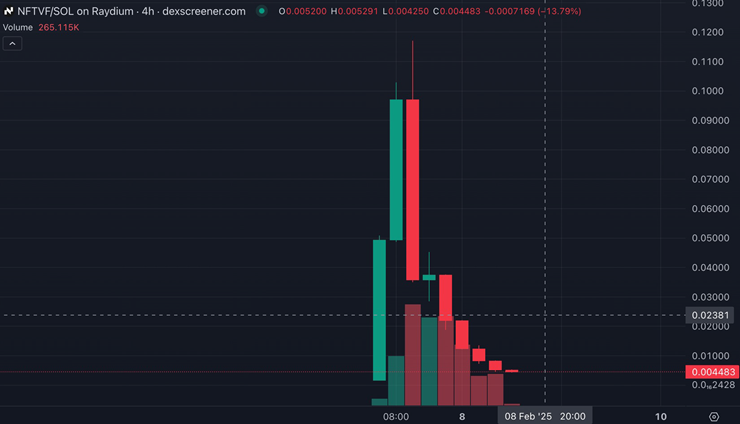
Manipulators often push cryptocurrency prices very high and suddenly "dump" them.
Be wary of hype surrounding cryptocurrencies, especially meme coins when investing in cryptocurrencies. Also, do your research on the project, its team, and its fundamentals before investing.
7. Impersonating celebrities
Hackers often target celebrities because of their influence. So be careful and don't trust these idols completely, their social media accounts can be hacked to promote fraudulent cryptocurrency projects. You may lose money if you believe and follow their lead.
Check the information on the official channels of the celebrity or company. In particular, real "Airdrop" projects will never ask their users to deposit money.
8. Pig Butchering
In the virtual world, finding love is easier than ever. But be careful, there are scammers who will approach you, build a close relationship with you, then lure you into investing in "ghost" projects and make you lose everything.

Using emotions to scam virtual money is a fairly common method.
The way to avoid this trap is to be cautious with new friends you meet on social media, especially when they mention investing in cryptocurrencies. Always do your research on the investment platform and don't believe in promises of "guaranteed profits" from virtual relationships online.
Final Thoughts
The most reliable way to handle losing money and getting sick: 8 cryptocurrency pitfalls you must know is to follow the process in order, verify each important setting, and test the result before moving on. Use the guidance above as a practical reference, then adjust the details for your device, software version, or specific goal.
FAQ
What should I know first about Losing Money and Getting Sick: 8 Cryptocurrency Pitfalls You Must Know?
The cryptocurrency market is getting hotter and hotter with the emergence of countless new projects and digital currencies.
How do I get the best results with Losing Money and Getting Sick: 8 Cryptocurrency Pitfalls You Must Know?
Use current software or equipment, follow the steps in order, review the recommended settings, and test one change at a time so you can identify what improves the result.
What should I do if Losing Money and Getting Sick: 8 Cryptocurrency Pitfalls You Must Know doesn't work as expected?
Check compatibility, permissions, connectivity, and version-specific settings. Restart the relevant device or app, then repeat the process carefully before trying a more advanced fix.
Related Articles
 Top 8 Cryptocurrency Exchanges with the Lowest Transaction Fees6 minutes read
 What Is Cryptocurrency? Is It Legal? Advantages and5 minutes read
 Foods and Drinks to Avoid When Sick: Explained5 minutes read
 5 Super Fast Ways to Stop Digging Virtual Money on Web Browser5 minutes read
 Lend Money but Are Afraid of Being. Sunt, Tell Your Debtor These4 minutes read
 How to Ask About the Patient: Step-by-Step Guide7 minutes read
Reader Comments 0
Sign in with email or Google to join the discussion.