Table of Contents
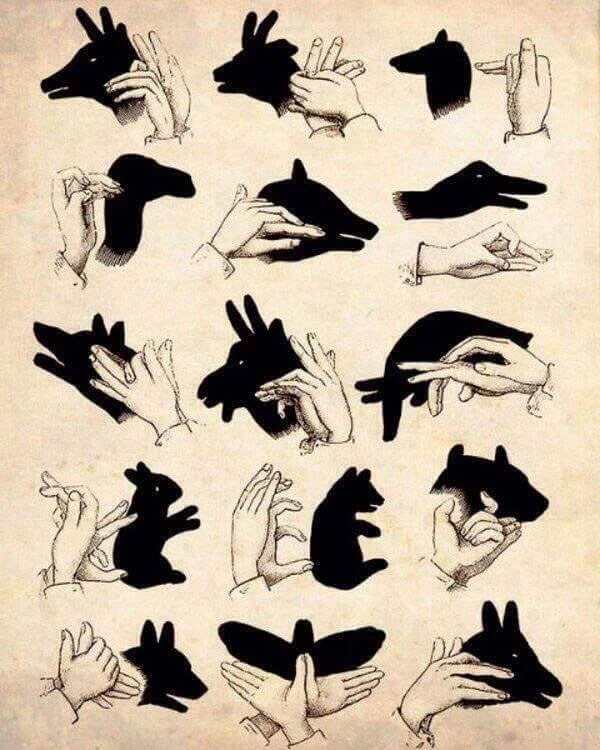
Hand-shadow animals need only a blank wall, a darkened room and one steady light. Place your hands between the light and the wall, copy one of the shapes below, then move your fingers to make the animal look, talk or walk. Start with simple one-hand silhouettes before combining both hands.
What you need
- A plain, light-colored wall or a tightly hung white sheet
- A small LED flashlight, desk lamp or secured phone flashlight
- A room that can be dimmed
- Enough clear floor space for children to move without tripping
An adult should position the light so it cannot fall. Use a cool-running LED rather than a hot bulb, keep cords out of the walkway, never use a laser, and remind children not to stare into the beam.
Set up a clear hand shadow
- Point the light at the wall from several feet away and dim the other lights.
- Stand to one side of the beam so your body does not block it.
- Hold your hands between the light and the wall. Begin close to the wall for a smaller, sharper outline.
- Move your hands gradually toward the light to make the shadow larger. The edge will usually become softer.
- Turn your wrists until the silhouette faces the direction you want.
- Keep the pose still for a moment, then add one small movement at a time.
If the shadow is faint, darken the room or move the light closer to the wall. If two overlapping shadows appear, switch off other lamps so only one light source is casting the shape.
How to copy the animal shapes
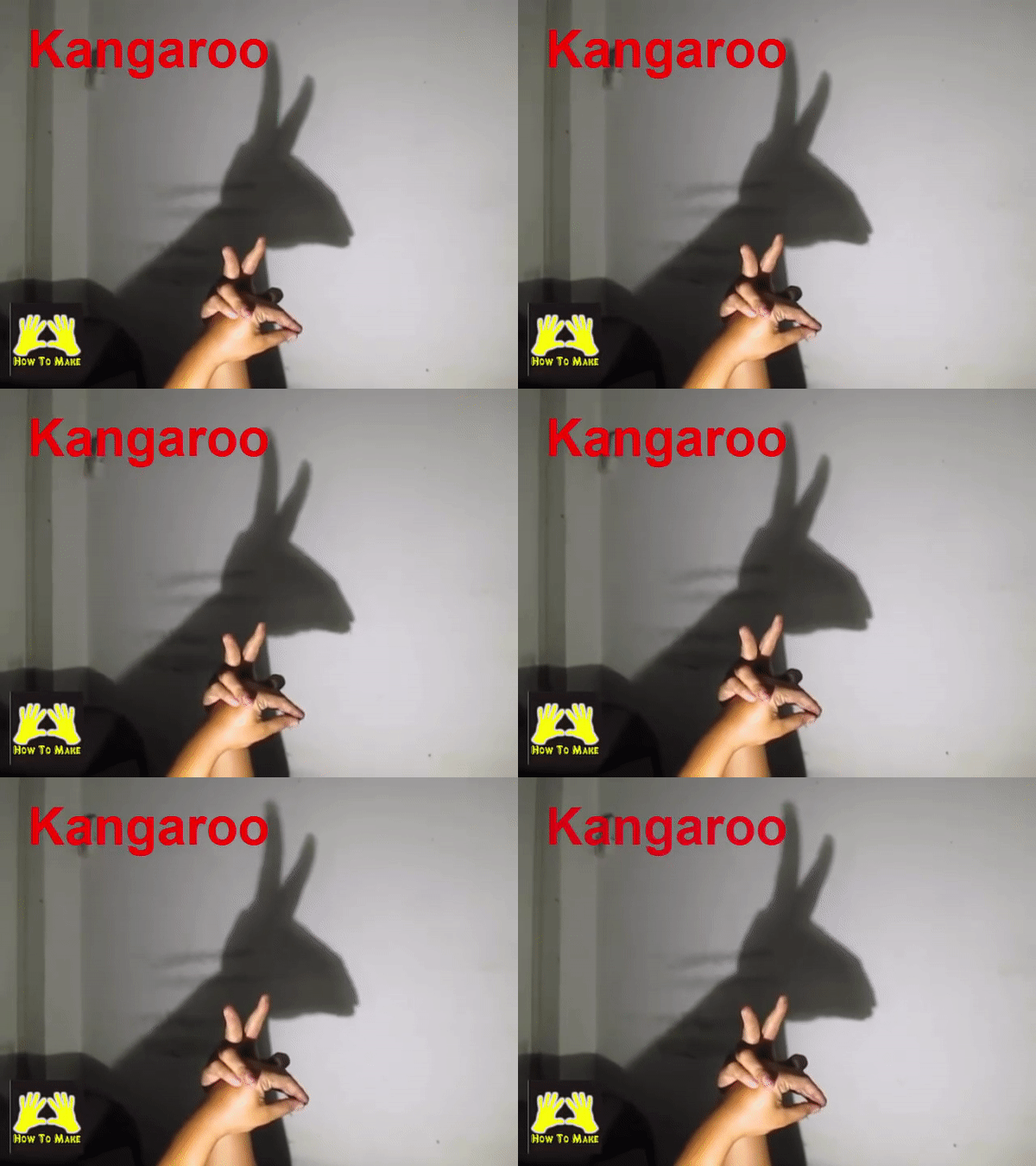
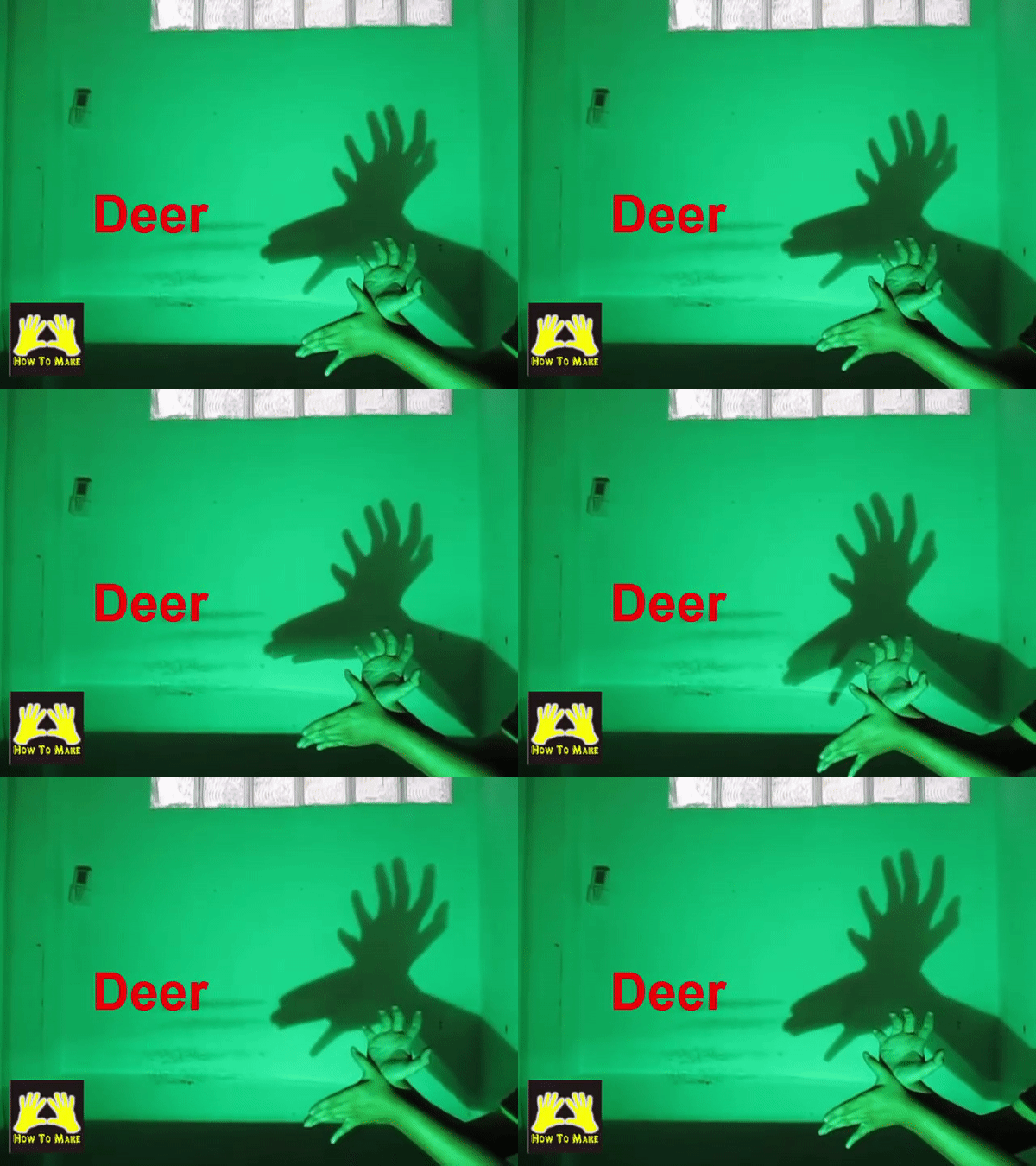
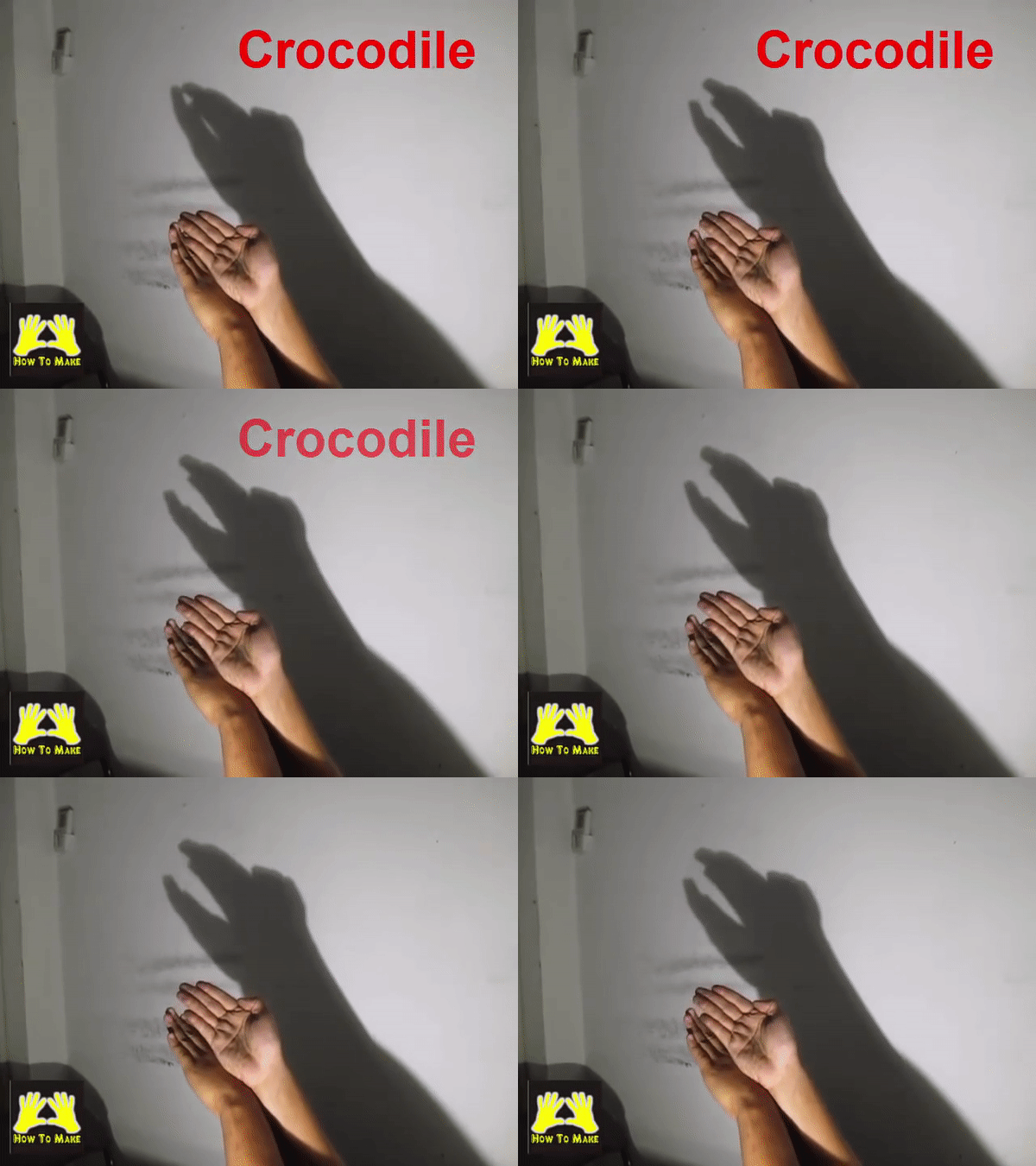
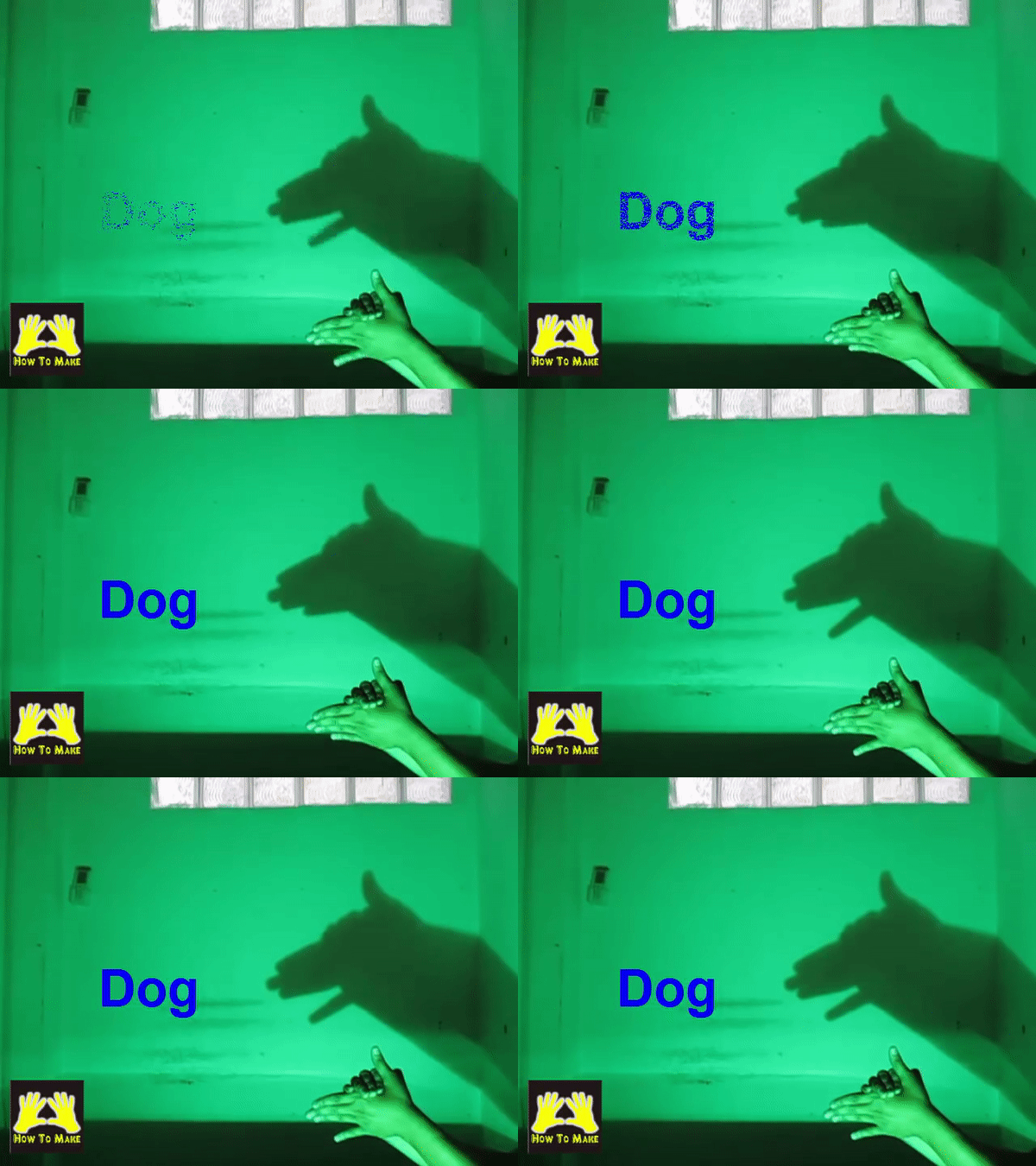
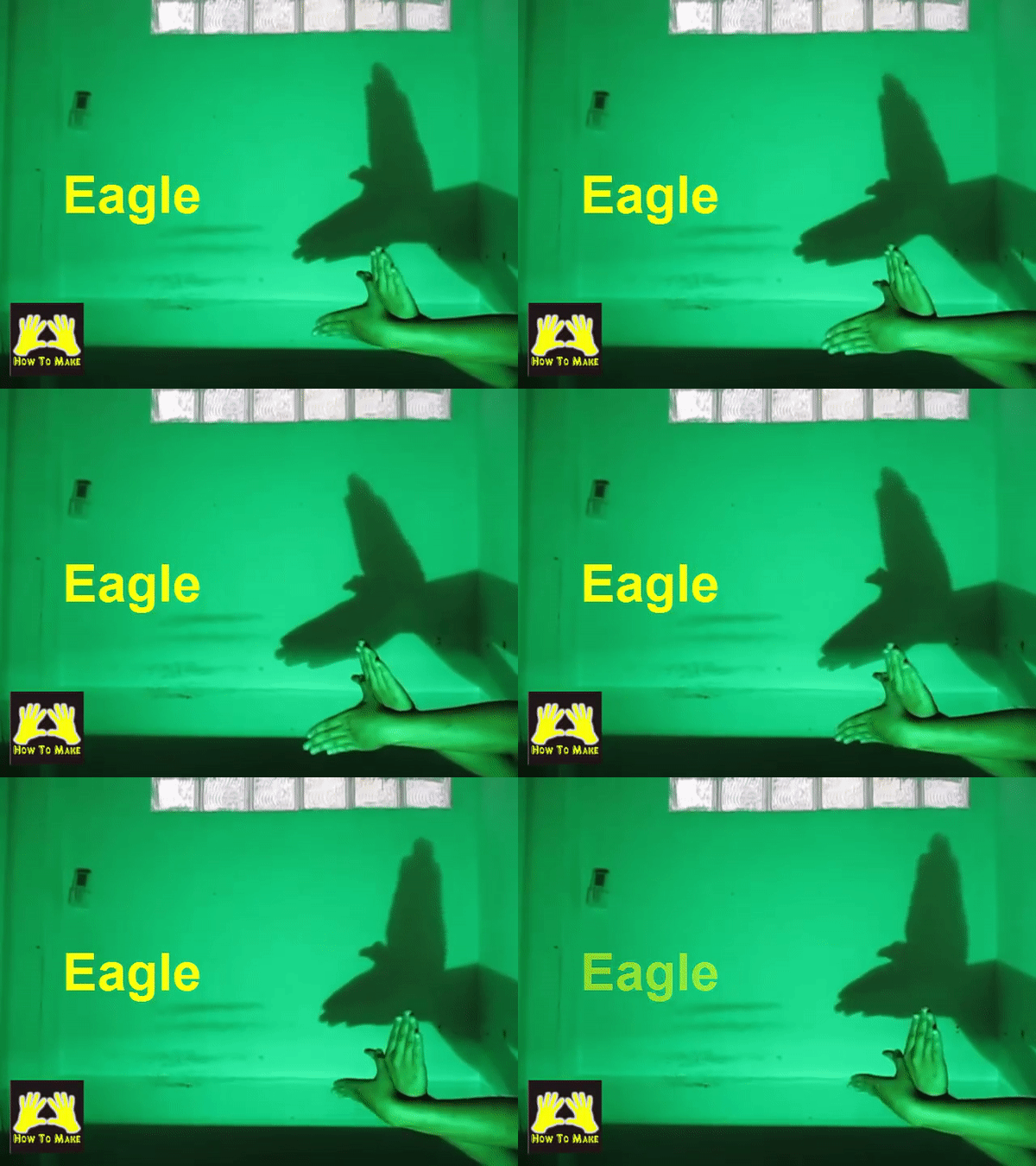
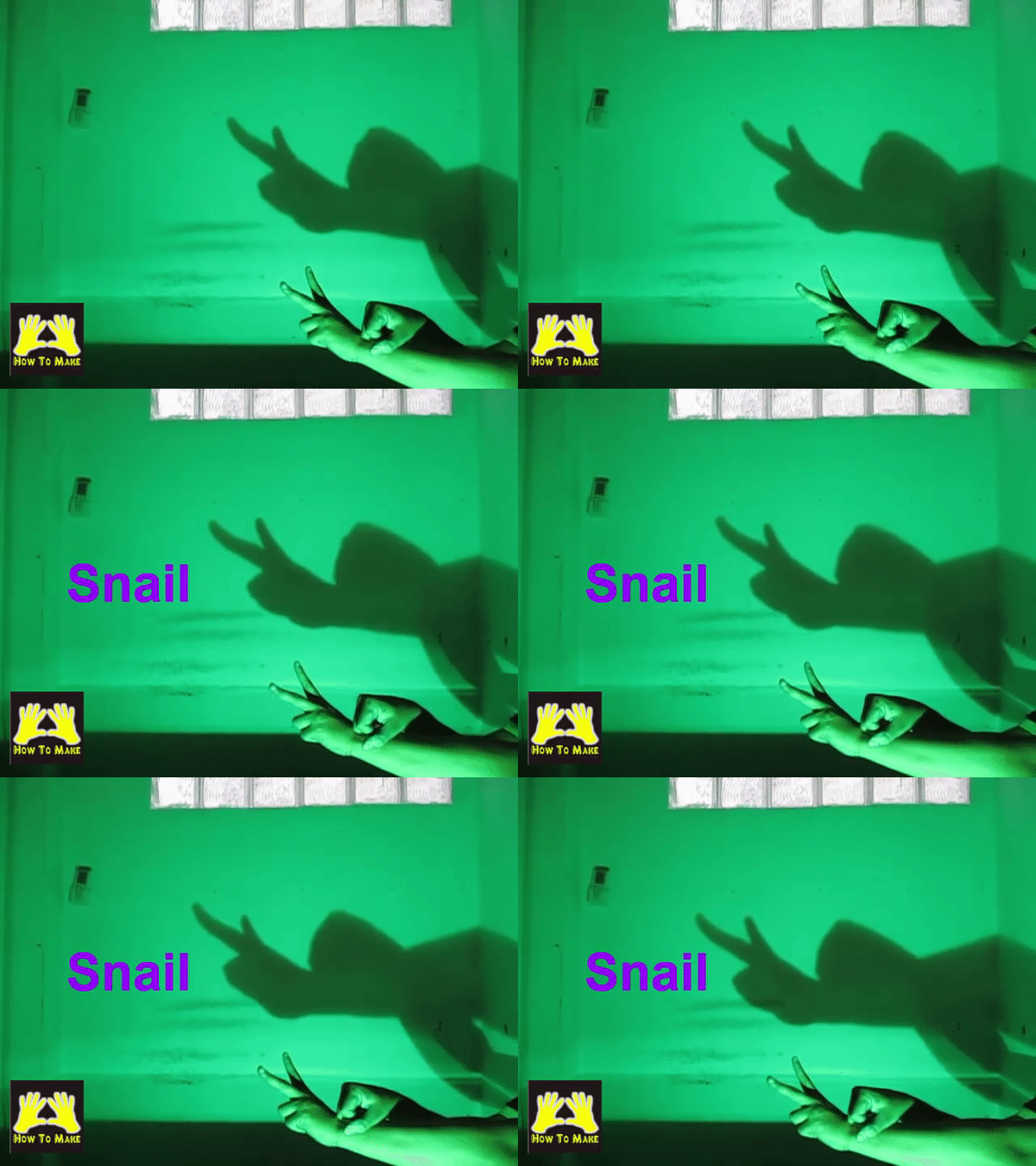
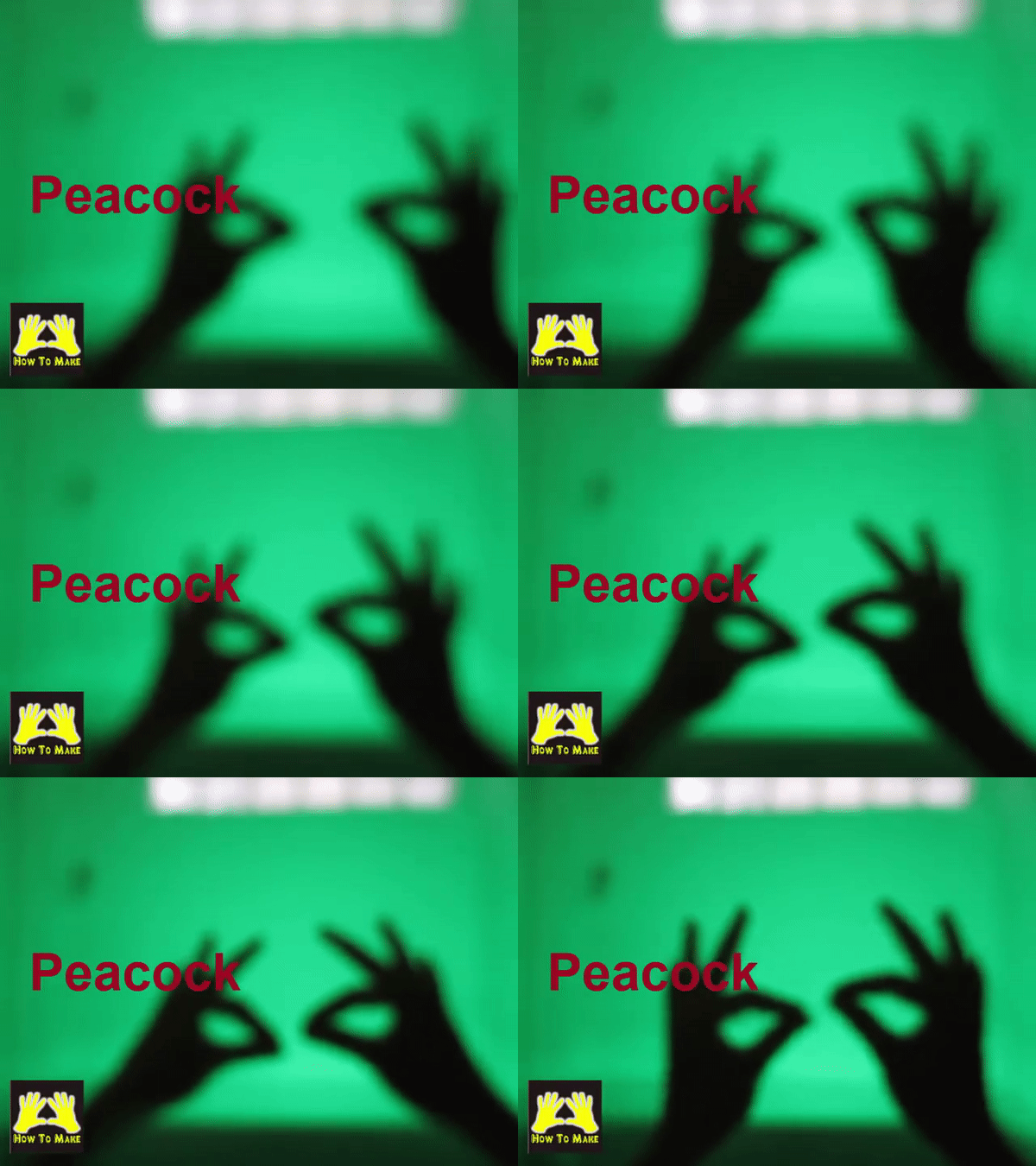
Watch each animated example, pause your hands in the starting position and match the outline rather than worrying about perfect finger placement. Long fingers can become ears, horns or a beak; bent knuckles can form a forehead or jaw; crossed wrists can join two hands into one animal.
Begin with one-hand shapes
One-hand silhouettes are easiest for younger children. Keep the wrist relaxed, tuck away any fingers that should not appear, and rotate the hand until the profile becomes recognizable.
Combine two hands
Two-hand shapes allow a wider head, longer ears, wings or a moving mouth. Build the main outline first, then assign one finger or thumb to the part that moves. If the silhouette looks crowded, separate the hands slightly or move them closer to the wall.
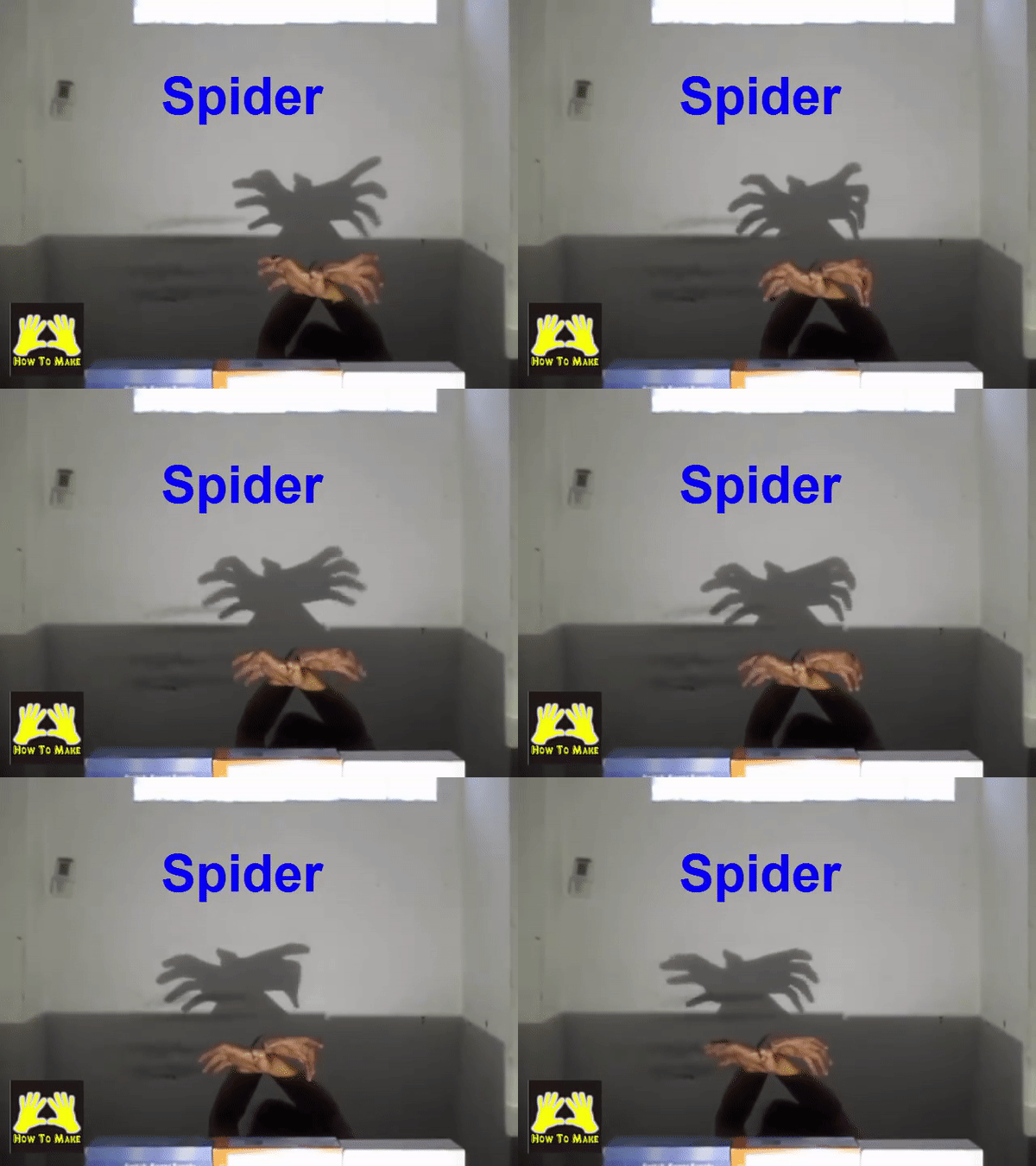
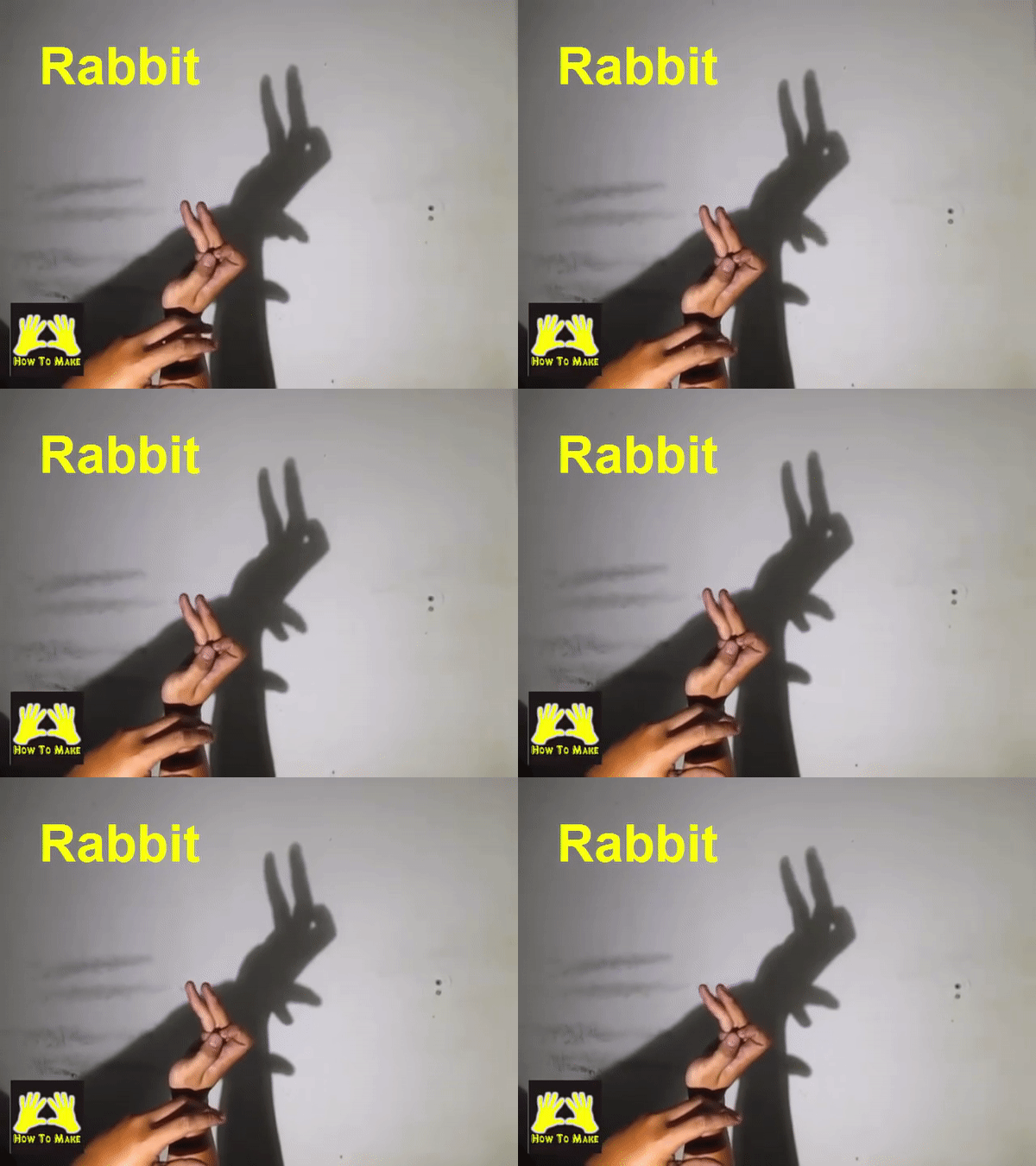
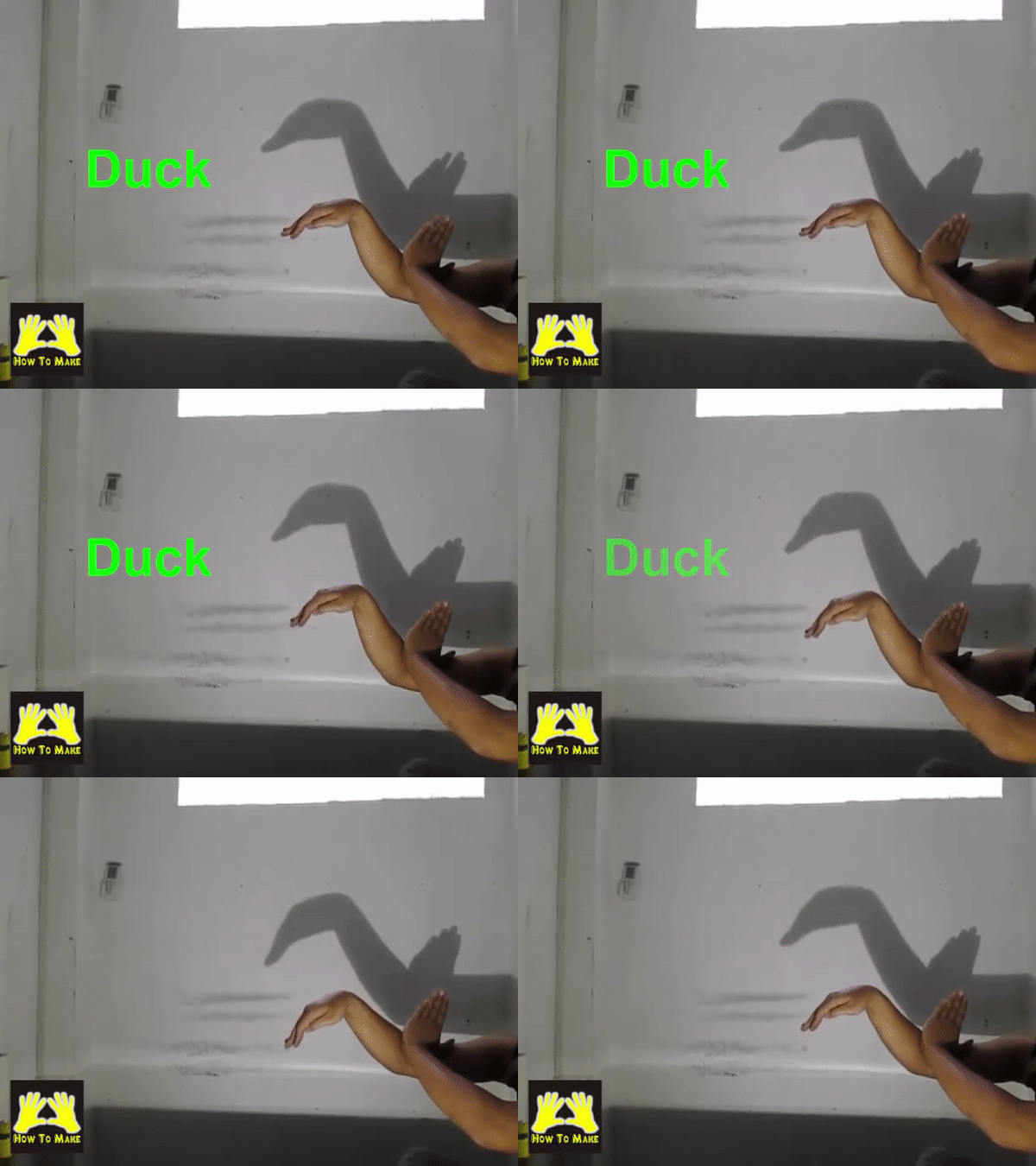
Turn the shapes into a shadow-puppet game
Once a child can hold a silhouette, give it a simple action. Open and close a mouth, flap a wing, nod a head or move the whole animal across the wall. Small motions are easier for the audience to read than fast, exaggerated ones.
- Choose two animals from the examples.
- Give each animal a name, voice and goal.
- Pick a setting such as a forest, farm, ocean or imaginary planet.
- Ask a short prompt: “What is the animal looking for?” or “Who does it meet?”
- Act out a beginning, a problem and an ending.
For a group, one child can operate the light, one or two can make shadows, and another can narrate. Swap roles after each short scene. A phone placed behind the audience can record the wall without showing the performers, letting children watch and improve their timing.
Why hand-shadow play is useful
- Fine-motor practice: holding and changing finger positions exercises control and coordination.
- Observation: children compare a hand pose with the outline it creates.
- Spatial exploration: moving nearer to the light or wall demonstrates how size and sharpness change.
- Language and storytelling: naming characters and inventing dialogue gives the activity a clear purpose.
- Cooperative play: a short performance encourages turn-taking and shared planning.
Keep the activity playful. If a pose is uncomfortable or difficult, choose a simpler silhouette instead of forcing the fingers into position.
Easy ways to extend the activity
- Guess the animal: one person makes a silhouette while the others identify it.
- Size challenge: make the same animal small, medium and large without changing the hand pose.
- Sound match: add a sound or movement that helps the audience recognize the animal.
- Shadow scenery: cut simple trees, houses or clouds from cardstock and tape them to craft sticks. Adults should handle scissors for young children.
- Mini theater: stretch a white sheet across a doorway and place the light behind the performers so the audience sees only shadows.
Troubleshooting hand shadows
| Problem | What to change |
|---|---|
| The outline is blurry | Move the hands closer to the wall or use a smaller, more directional light source. |
| The shadow is too small | Move the hands a little closer to the light, keeping a safe distance from the lamp. |
| The animal is hard to recognize | Rotate the wrists, hide extra fingers and simplify the pose to its strongest feature. |
| Hands tire quickly | Use shorter scenes, rest between poses and choose a one-hand silhouette. |
| More than one shadow appears | Turn off competing lights and use a single lamp. |
For another family activity, browse TipsMake's ideas for organizing children's games. Children who enjoy making characters can also try a paper Halloween mask or use these Hulk coloring pictures.
Related Articles
 How to Fix the Insertion Block in Excel: How to Insert Excel Shapes4 minutes read
 Photoshop CS6: How to Create Abstract Geometric Shapes12 minutes read
 How to Make Your Own Hand Sanitizer at Home Following WHO Guidelines5 minutes read
 How to Get Your Child to Share What Happened During the Day5 minutes read
 Ways to Help Your Child Become a Creative Child10 minutes read
 Download App Animal 4D + for Free - Create Animal Animal 4D9 minutes read
Reader Comments 0
Sign in with email or Google to join the discussion.