Table of Contents
This step-by-step guide explains how to charge a newly purchased phone battery to avoid the bottle. It covers the required setup, the main actions, and the checks that help prevent common problems.
Users are more and more interested in sleek, sleek designs, which are the reasons for companies to roll out products that are thinner and thinner, according to which batteries must also be thin to meet this requirement. It can be seen, how the battery and how to charge the battery properly are always a concern for many people, especially when buying new equipment.
- Why is the fully charged phone still running out of battery?
- Phone does not charge or charge slowly, this is how to handle it
- We have been charging the wrong way for a long time
Process of Charging for Newly Purchased Devices
There is a popular legend about charging a new battery to let it run out of battery, then load it continuously until it is full, and repeat this process 3 times, the charging time for the first 3 times is about 8 language. This procedure is only true if your battery is nickel. From 2010 onwards, the special battery technology of the phone battery has changed so that the legend is no longer true, even harmful to the battery. Most phones today use lithium-ion batteries. Some users have encountered a situation where they cannot recharge their phones after letting them run out of battery.
The best way to charge your battery is to read and follow the instructions that came with the phone box you purchased. If you don't see it, you can refer to the following charging method:
1. Use the phone until the battery is low, need to charge (usually 15% with Android), do not let the phone run out of battery, power down at the first time.
2. Use the correct standard charger and proceed to charge the battery until it is full.
3. Keep the battery fully charged for about 3-5 minutes and disconnect the charger.
Note:
- Do not charge the phone overnight.
- Limit phone use when charging.
- At the first 5 recharges, do not let the phone run out of power to the point of power failure, it should start charging when the battery is low. The following times are still normal.
How to Properly Charge the Battery for the Device in Use
When the phone indicates a low battery or is less than 10% (not the last battery), you should immediately stop using it and take the device to the charging point immediately, avoid turning it off completely before charging it completely. Another note is that when the charger is in progress, the battery is not full, you should not withdraw it for use and absolutely do not charge the phone 'overnight', the alarm is full. You can learn more about common mistakes when charging your phone to not make basic mistakes, avoid battery bottles for phones.
Instructions for discharging - charge the phone battery:
Note: This method applies to currently used batteries and long-term storage batteries.
You use the phone to run out of battery, the low battery alarm continues to use until only about 3-5%, then proceed to charge as usual. When fully charged, unplug the charger and wait 5 to 10 minutes, then plug it back in and continue charging. Just do it 3 or more times.
Above is all information about how to charge the new phone battery properly and effectively, please apply it right away to keep the device's battery running well and most durable. Hope the article has brought many useful information to you.
FAQ
What should I check before following these steps?
Confirm device and software compatibility, save important data, and make sure you have the required permissions, files, and account access.
Why might the process not work?
Common causes include outdated software, missing permissions, incompatible hardware, an unstable connection, or completing a step in the wrong order.
Can I undo the changes if necessary?
That depends on the tool or setting. Use built-in restore options when available, keep a backup, and record the original configuration first.
Related Articles
 Causes and Ways to Fix Battery Bottles on Smartphones8 minutes read
 We Have Been Charging the Wrong Way for a Long Time5 minutes read
 How to Charge the Phone Battery Properly7 minutes read
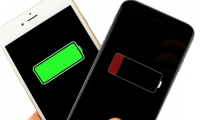 Don't, and Exactly, Never Leave Your Phone Down to 0% Battery!4 minutes read
 Charge New iPhone Battery: Complete Guide9 minutes read
 The Best Android Battery Bottle Test App5 minutes read
Reader Comments 0
Sign in with email or Google to join the discussion.