Table of Contents
This article examines Decipher the Strange Behavior Often Seen in Dogs. It presents the main facts, practical implications, and key points in a clearer, easier-to-follow format.
Dogs are intimate, attached animals and have long been a loyal friend of humans. This cute animal gradually becomes one of the members of many families, but do we fully understand what they show?
Let's learn some of the behaviors that puppies usually do to better understand these close friends.
Yawn Followed When He Yawned

Dogs can understand and empathize with people's emotions, so it is normal for yawning from their owners.
In addition, they can recognize when their master is angry. Sometimes we can even see the phenomenon of "crying" dogs when babies cry.
Turn Your Head Away When Being Hugged
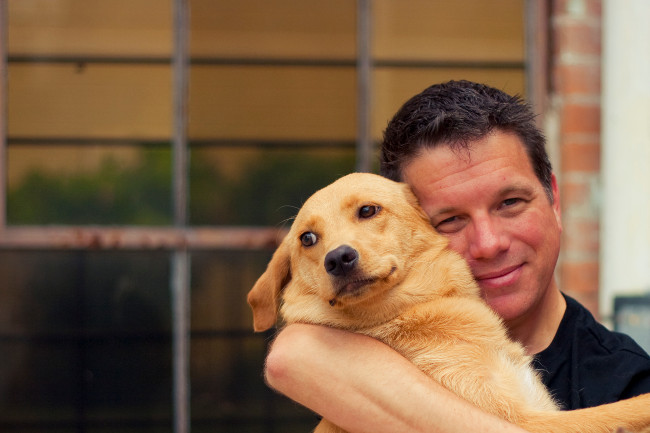
Animal behavioral researcher Julie Hecht said that there are three signs that we can recognize our dog's stress: rolling his eyes, turning his head away and pinching his ears. When hugged, they show all three signs. This shows that they are not interested in being hugged.
But there are also some exceptions, when you are holding some dogs that seem quite excited. However, this only happens to their intimate owners, but for strangers it is not.
Attentive Observation
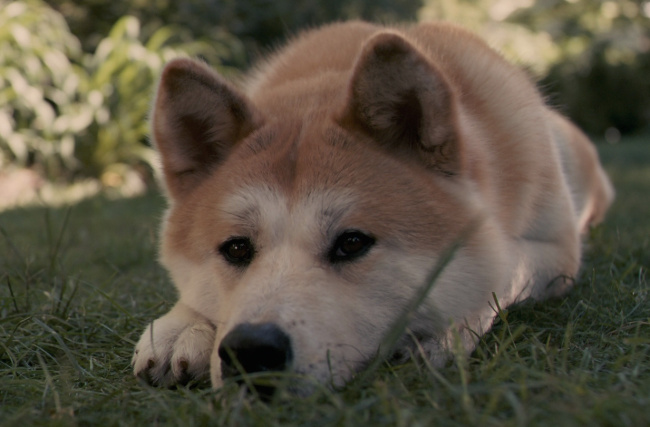
Don't be surprised to see your dog staring at something. Simply care, look.
Do Not Stop Sniffing Your Acquaintance
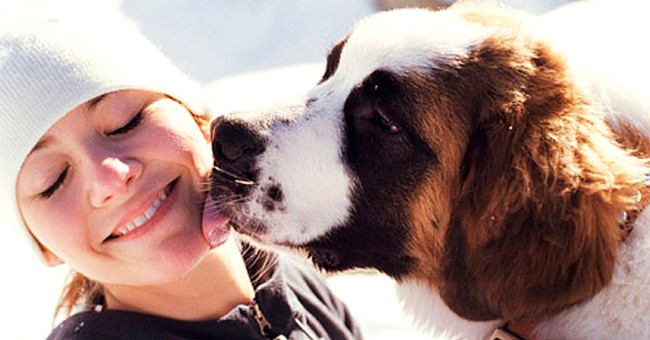
Like many other animal species, dogs rely on the scents around them to gather information.
According to the study, they seem to like the aroma of their acquaintances according to the frequency of meeting and the degree of intimacy.
Hide Behind People's Feet
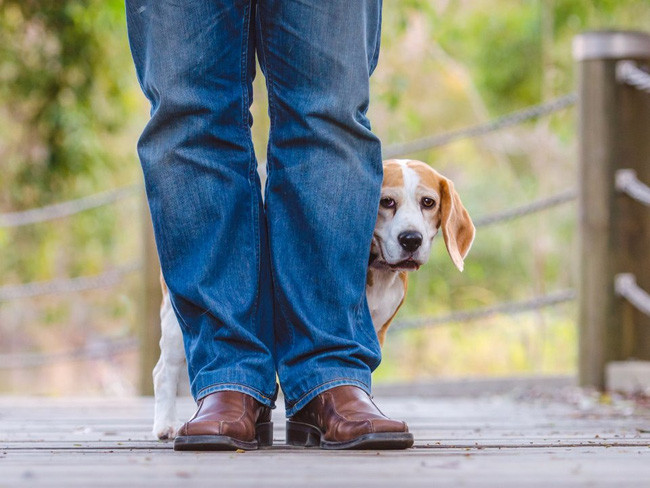
According to behavioral researchers, when frightened, tense dogs often run to hide behind their owners to find "allies". Dogs are the only animals that react like that to humans.
Jump Up
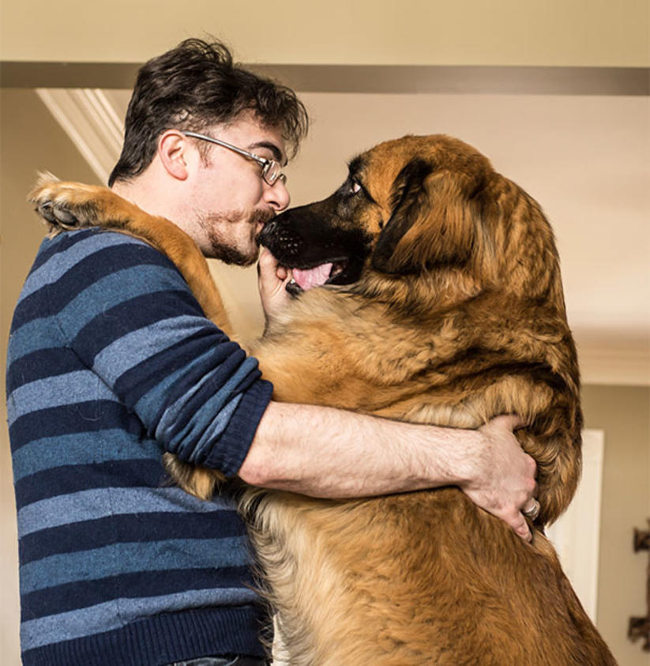
Dogs often jump up and down and even grab people 's feet whenever they are fed, chased or welcomed by the owner. That's how they show joy.
Rotate Before Lying
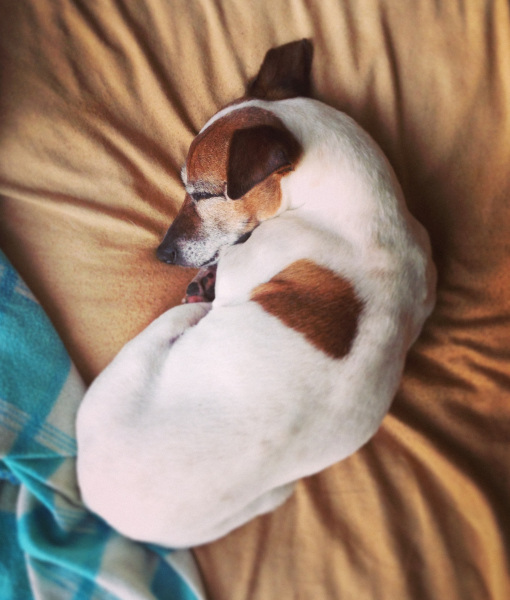
Before sleeping or lying in the sun, dogs often walk around. It is a habit of cleaning up as well as checking the safety of the place whenever you want to lie.
Tail Wagging
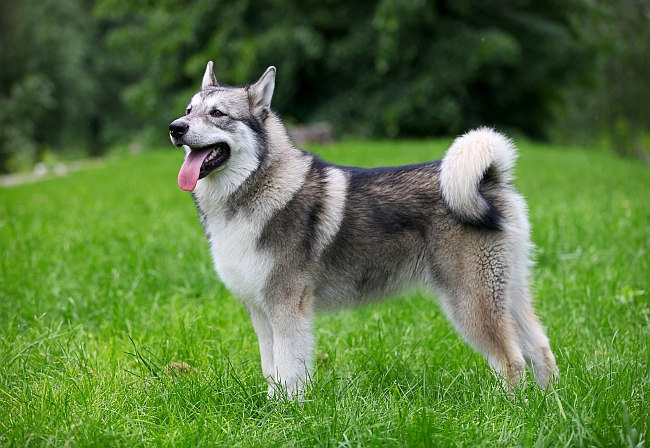
Regardless of being happy, agitated or angry the dog wagged its tail. To distinguish their emotions, pay attention to the location of the tail. If the tail is raised high and rigid, your puppy may be in a state of agitation. If the tail is relaxed with the swaying butt, it means that it is very happy to see you.
- Komodo assassin dragon slayed a giant buffalo with a cup.
- Terrifying spectacle: Giant spider cuts solid meat.
FAQ
What is the main point of Decipher the Strange Behavior Often Seen in Dogs?
Dogs are intimate, attached animals and have long been a loyal friend of humans. This cute animal gradually becomes one of the members of many families, but do we fully understand what they show?
Why is Decipher the Strange Behavior Often Seen in Dogs important?
Decipher the Strange Behavior Often Seen in Dogs matters because it can affect how readers understand, choose, use, or respond to the subject discussed in the article.
What should readers verify about Decipher the Strange Behavior Often Seen in Dogs?
Check the date, product or software version, compatibility, and any current guidance before acting, especially when technology, security, health, or pricing is involved.
Related Articles
 Mimicking Human Behavior, the Hero Dog Saves Earthworms2 minutes read
 Monkey Mother Ate the Decaying Young Baby, Strange Behavior Was4 minutes read
 Vietnam Owns One of the Rarest and Most Expensive Breeds in the World6 minutes read
 Many Fish Species Have Strange Behavior, Rotating Themselves Like a Tornado4 minutes read
 When the Dogs Act Their Gods in Front of the Camera3 minutes read
 Dogs Have the Ability to Think Like Humans, Even Smarter Than Children5 minutes read
Reader Comments 0
Sign in with email or Google to join the discussion.