Table of Contents
Quick Overview
iPhone : Get a clear, practical overview of iPhone.
Despite the convenience it brings to users, the USB-C port on the new iPhone also poses security risks. Recently, researcher Thomas Roth discovered several vulnerabilities in the USB-C controller of the iPhone 15 and 16, allowing hackers to access the firmware and execute malicious code. However, Apple said that these attack methods are still complicated and users do not need to worry yet.
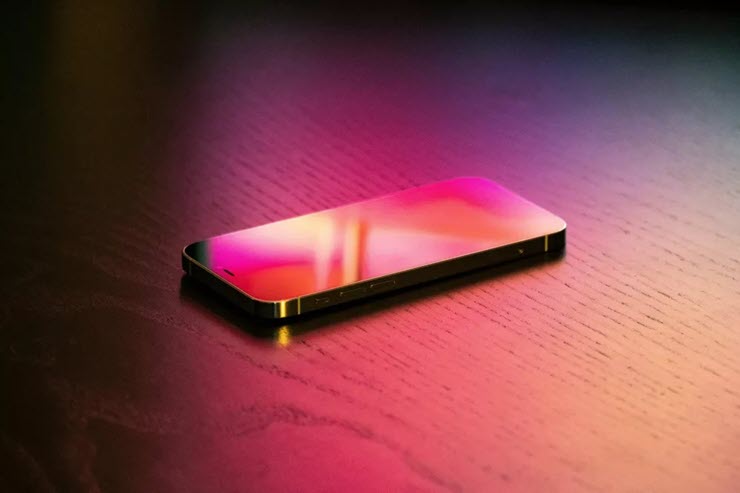
The USB-C port on new iPhones has a security flaw.
Roth demonstrated the technique of "dumping" the firmware of a USB-C controller at the 38th Chaos Communication Congress. This helps hackers analyze source code, find vulnerabilities, and develop malware.
While Apple has not made any moves yet, it is possible that the company will have to update the hardware for future iPhone models such as the iPhone SE 4 and iPhone 17 to patch the security holes.
The move to USB-C on iPhones is partly due to new European Union regulations. However, the standard also brings new security challenges for Apple. In addition, poor quality USB-C cables on the market can also contain hidden hardware circuits that can be used to spread malware or steal data.
However, there are some benefits to dumping your firmware. It helps independent repair professionals better understand your Mac's hardware, making it easier for you to fix your device.
FAQ About iPhone
What is iPhone?
The move to USB-C on iPhones is partly due to new European Union regulations
Why is iPhone important?
However, there are some benefits to dumping your firmware
How can you use or manage iPhone effectively?
Despite the convenience it brings to users, the USB-C port on the new iPhone also poses security risks
Related Articles
 Warning: Huawei's 4G USB Contains a Serious Security Flaw3 minutes read
 What Are the Benefits of an iPhone with a USB-C Port?5 minutes read
 What Is Port 0 Used For?4 minutes read
 Detecting a Thunderbolt Flaw Allows a Hacker to Steal System3 minutes read
 iOS Vulnerability: Complete Guide3 minutes read
 New Security Vulnerabilities on iOS 12.1 Allow Access to Contacts and Phone Calls4 minutes read
Reader Comments 0
Sign in with email or Google to join the discussion.