Table of Contents
This article examines 23 Books Mark Zuckerberg Advises Us to Read. It presents the main facts, practical implications, and key points in a clearer, easier-to-follow format.
The career of Facebook CEO Mark Zuckerberg is aiming to bring people around the world closer together. This is also the reason why Mark decided to open the "virtual" book club on this social network with a series of books focused on the diversity of technology, history, beliefs and culture.
Although the first daughter was born will make Mark very busy beside the work at Facebook, but the brave CEO read all 23 books below and the goal is to complete a book every 2 weeks. These are also titles that Mark advises all of us to read.
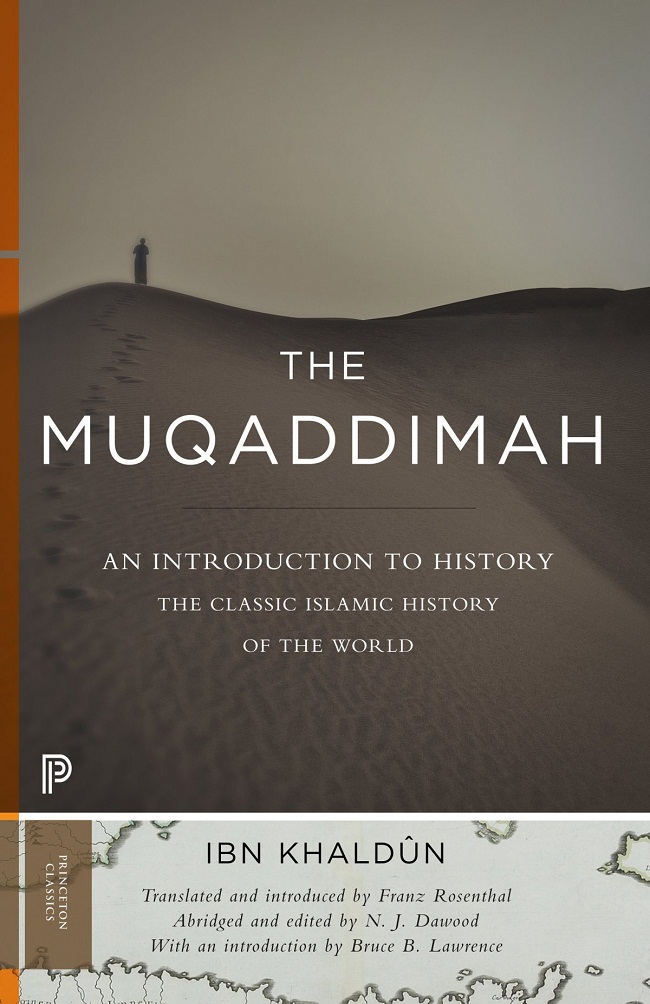
1. the Muqaddimah (Ibn Khaldun)
"The Muqaddimah" in English "The Introduction" is a book written in 1377 by Khaldun - a Muslim historian with the goal of eliminating the differences between historical and search records the most common elements in the development of anthropology.
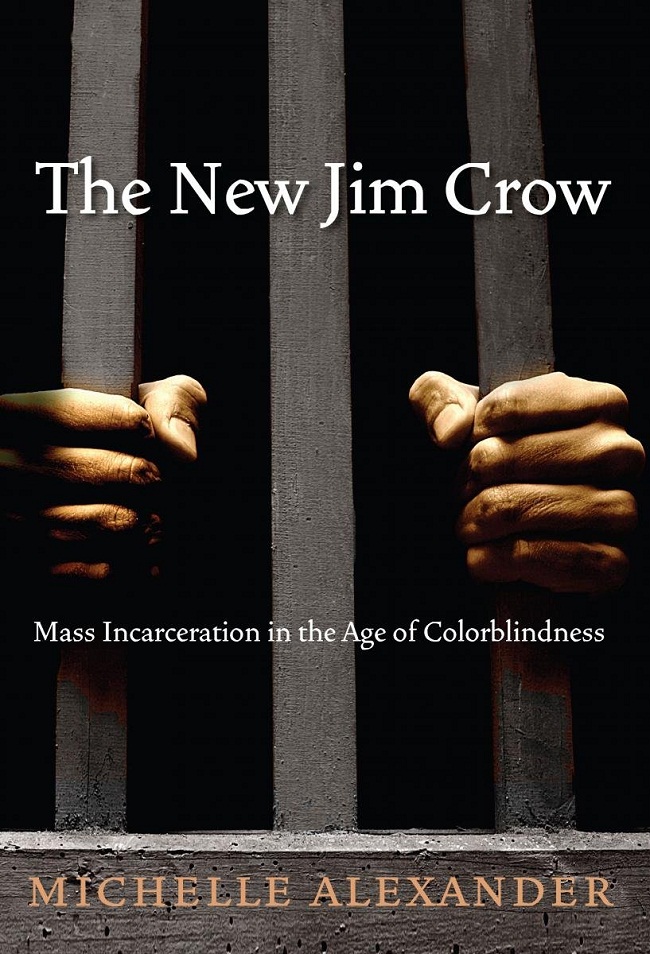
2. the New Jim Crow (Michelle Alexander)
The New Jim Crow is a book written by Michelle Alexander - a law professor at Ohio University and also an active member of human rights protection movements. This book discusses the problems of African-American men and the many injustices that they have suffered on American soil.
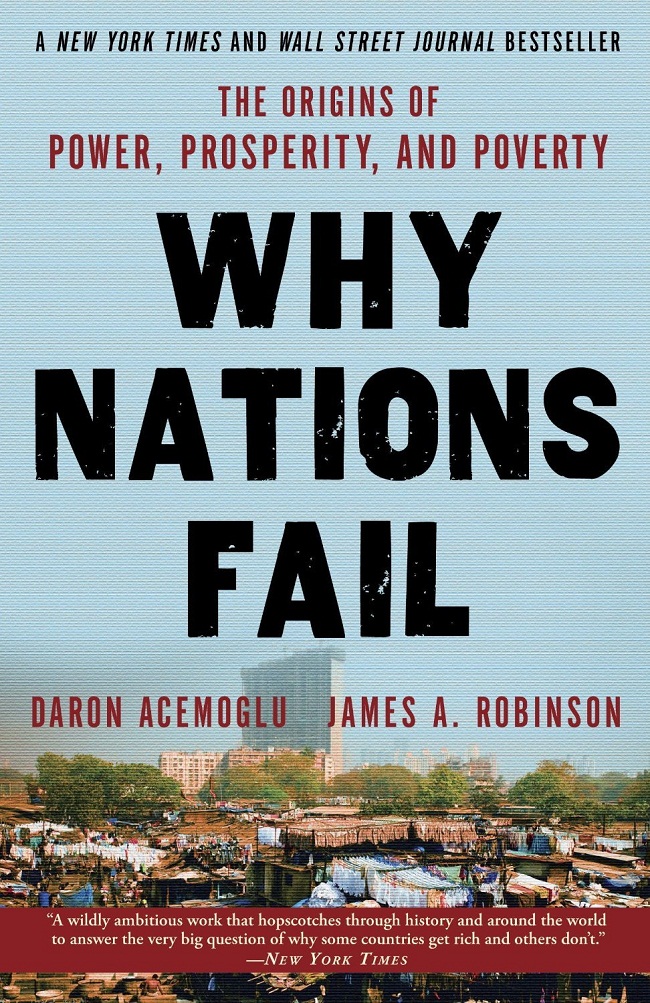
3. Why Nations Fail (Daron Acemoglu and James a. Robinson)
Why Nations Fail - "Why do countries fail?" , clearly the title of the title highlights the problem that it will address. Why are rich countries still rich and those that try to remain poor? How to change that?
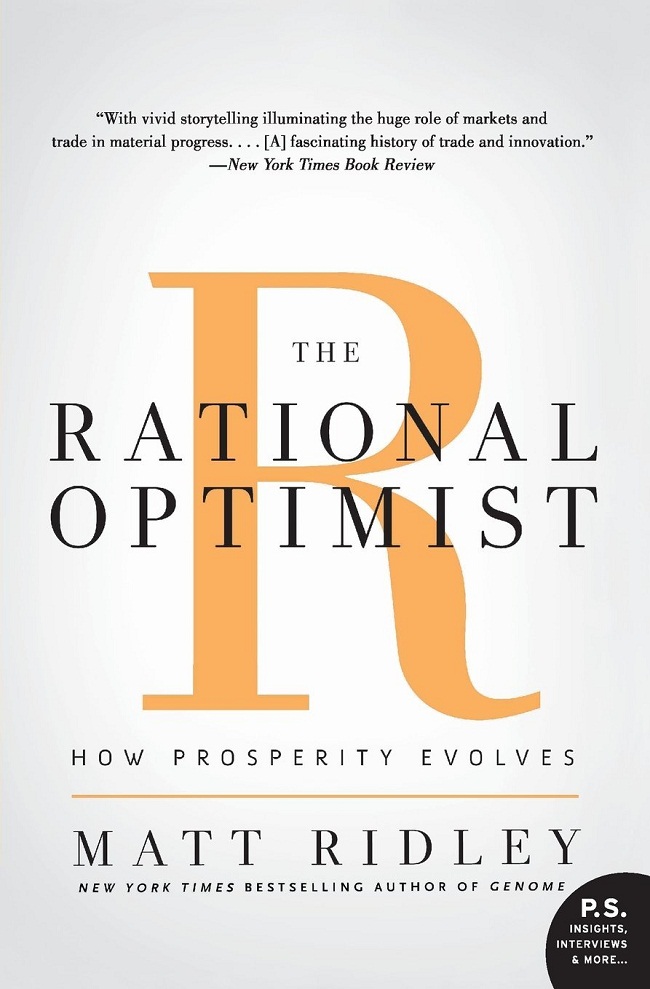
4. the Rational Optimist (Matt Ridley)
The Rational Optimist refers to the origin of human development and the author thinks that the more liberal people are, the more evolutionary it is. This is the most controversial book of Matt Ridley and Mark very interested.
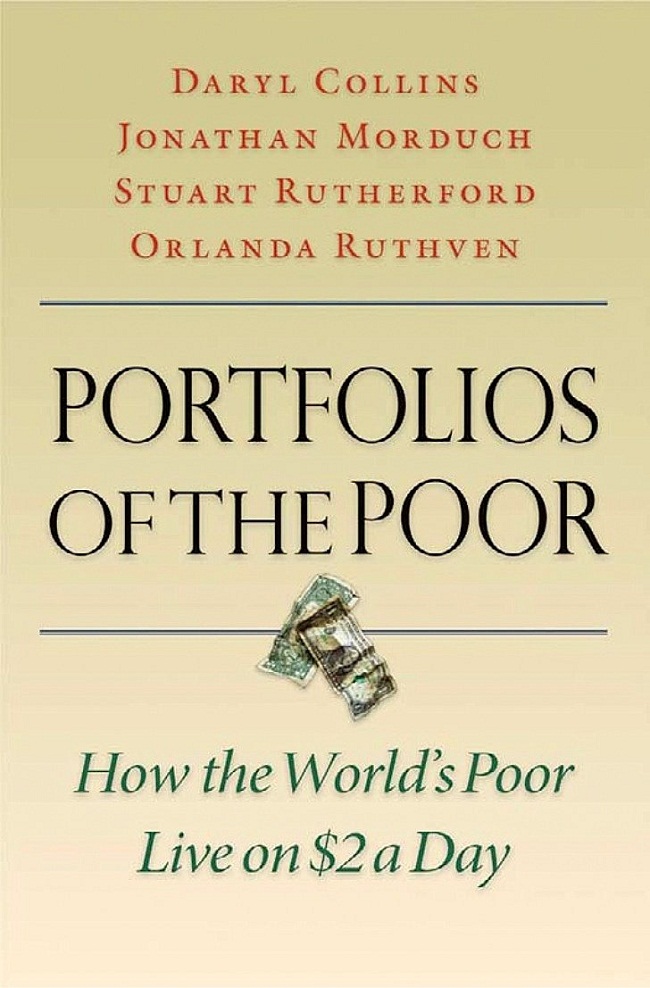
5. Portfolios of the Poor (Daryl Collins, Jonathan Morduch, Stuart Rutherford and Orlanda Ruthven)
Portfolios of the Poor is a book that addresses the peak of poverty in some countries around the world, giving reasons and solutions to handle.
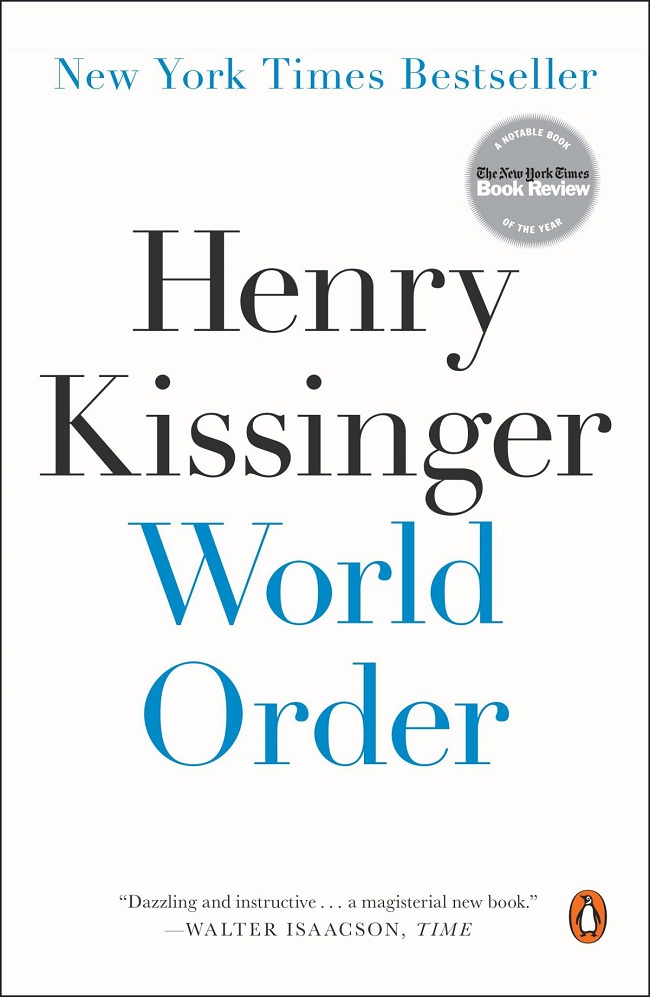
6. World Order (Henry Kissinger)
The World Order explains empire terms and political power that has existed for centuries, and gives an opinion on how the global economy in modern times affects them.
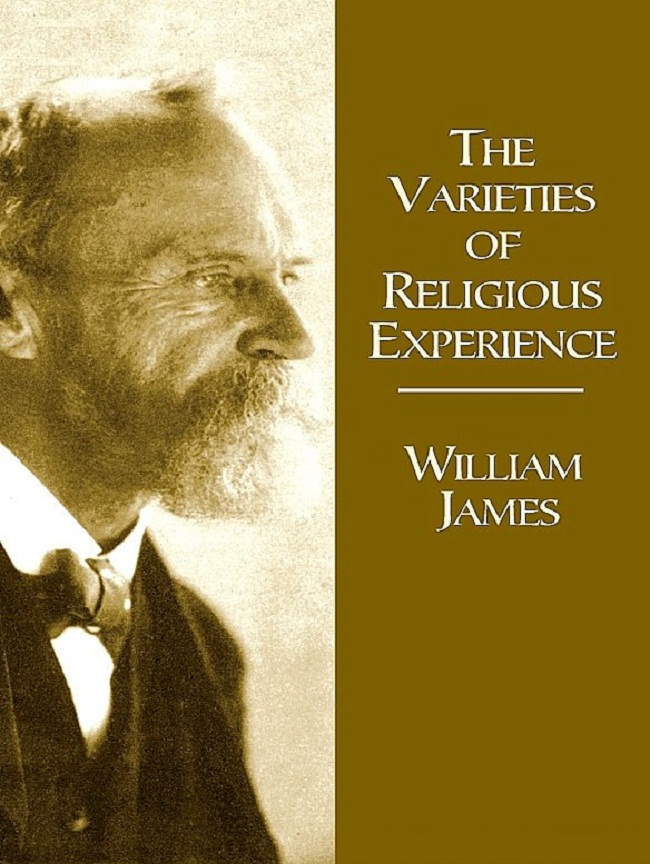
7. the Varieties of Religious Experience (William James)
The Varieties of Religious Experience is a collection of lectures by American psychologist William James, referring to religious consciousness and how people use it as the source of "meaning", forcing them to continue keep living with energy and purpose.
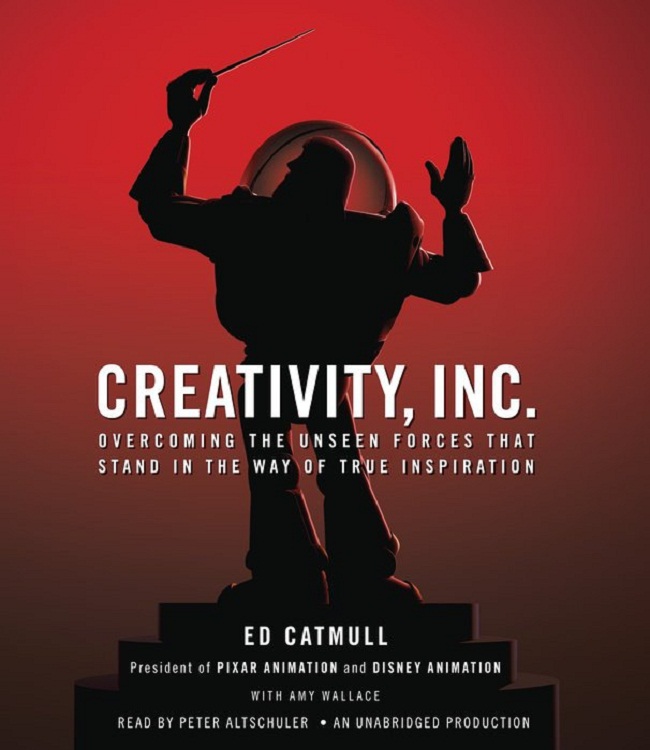
8. Creativity, Inc. (Ed Catmull)
Creativity is the story of Pixar - written by one of the founders of this giant animation studio.
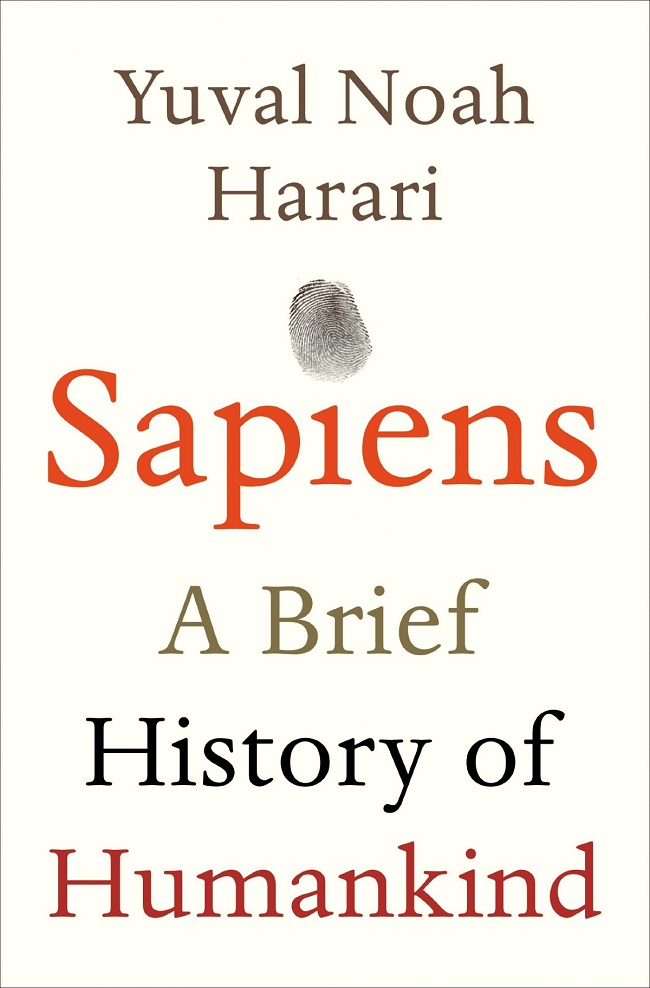
9. Sapiens (Yuval Noah Harari)
This book explains human history, the difference between humans and animals, the future of humanity and some related content.
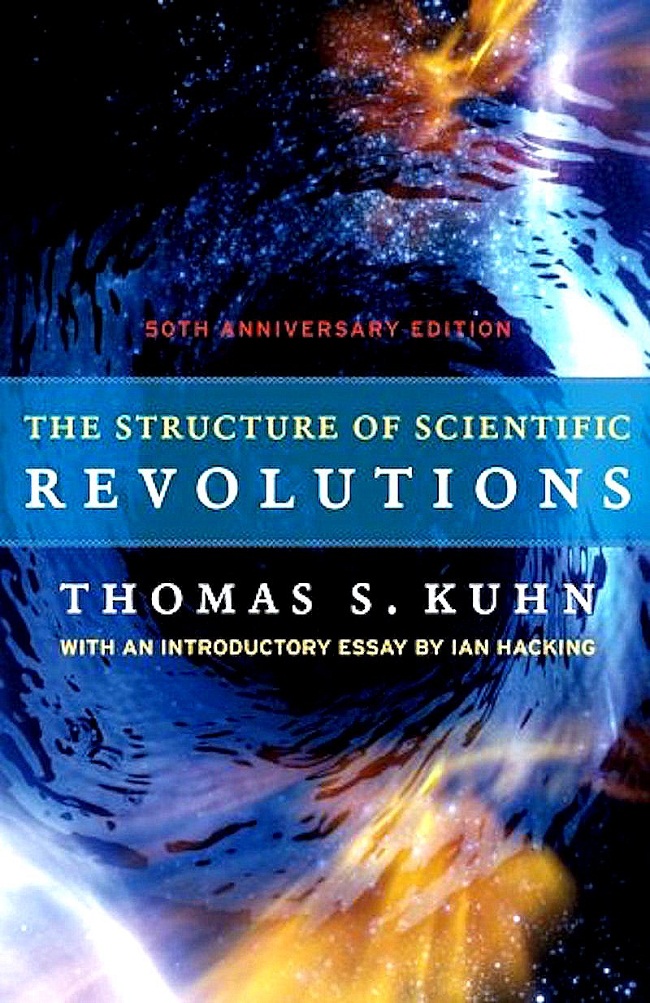
10. the Structure of Scientific Revolutions (Thomas S. Kuhn)
The Structure of Scientific Revolutions - the book deals with the scientific revolution and their impact on the world.
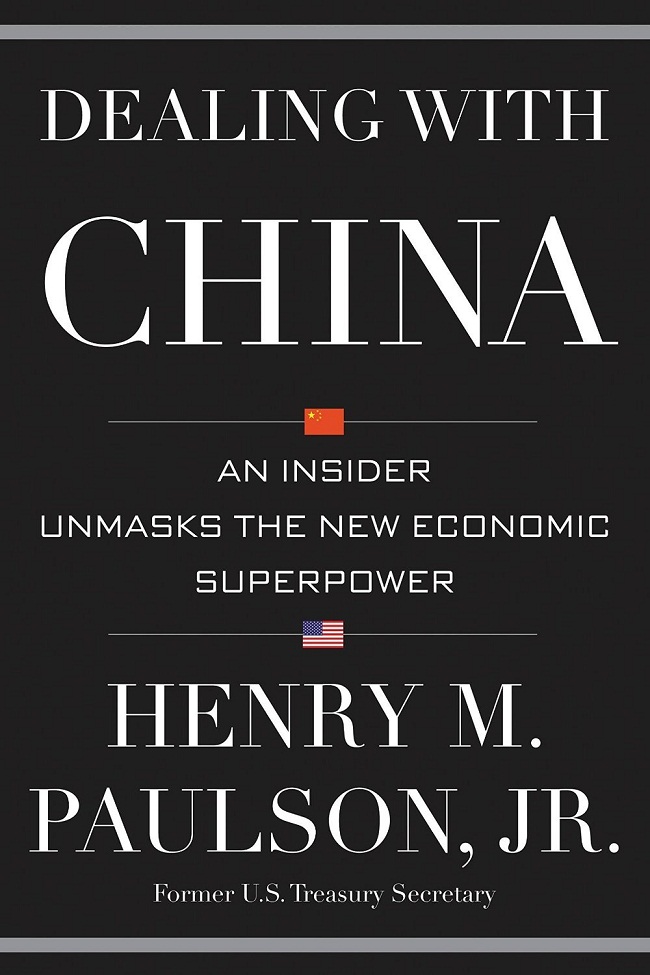
11. Dealing with China (Henry M. Paulson Jr.)
Dealing with China points to the increasing influence of China on the global and the way they impact.
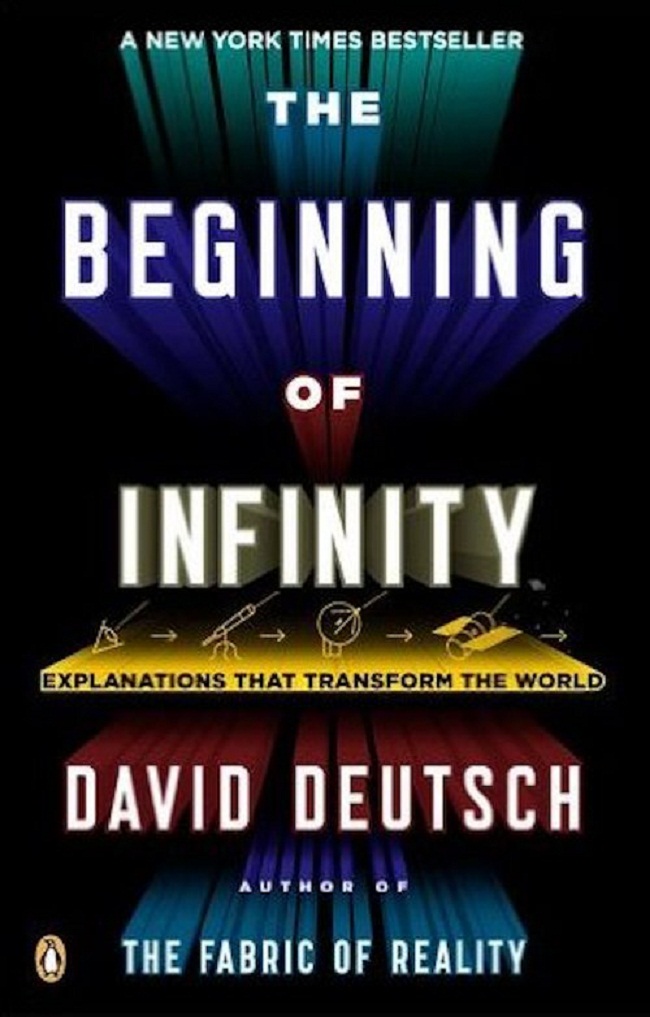
12. the Beginning of Infinity (David Deutsch)
The Beginning of Infinity explains how the scientific revolution affects the development of anthropology. The book also analyzes many related areas, from art, science to politics and psychology.
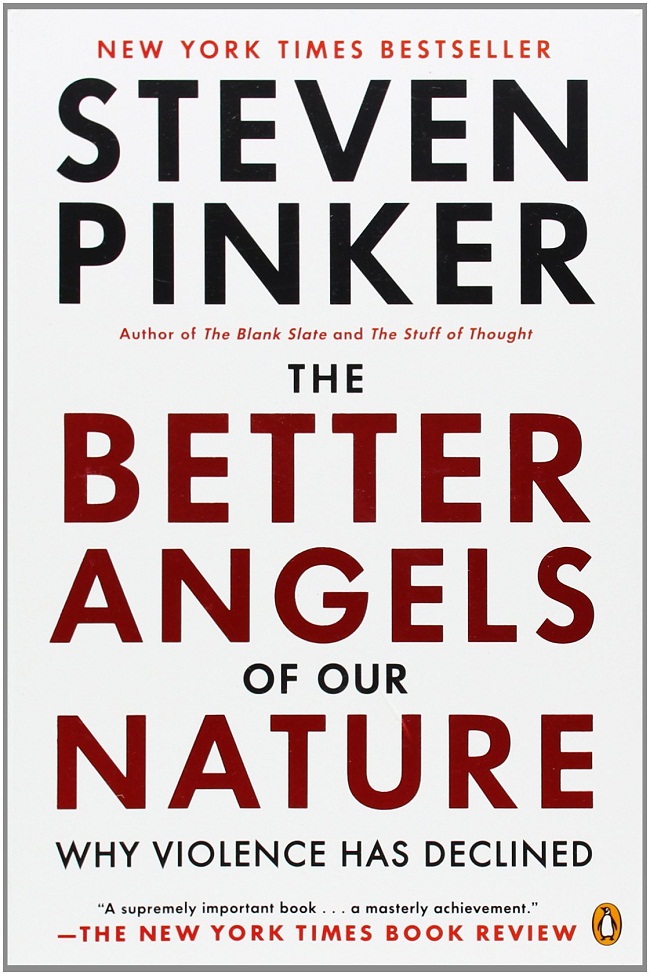
13. the Better Angels of Our Nature (Steven Pinker)
The Better Angels of Our Nature revolves around issues of violence in the world, mainly in the West and explains why violence decreases.
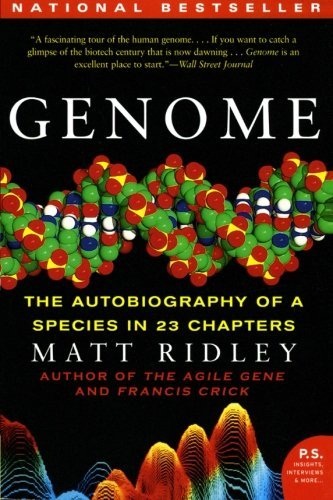
14. Genome (Matt Ridley)
Matt Ridley is the only author to appear twice on Facebook CEO's reading list. This book deals with the evolution of genes and the future of genetics.
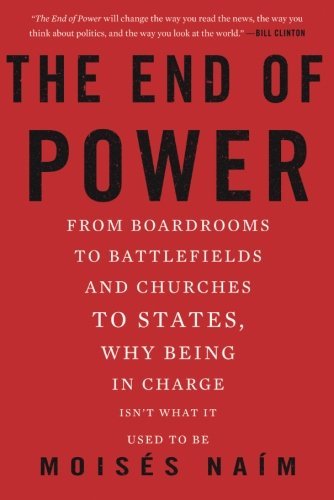
15. the End of Power (Moisés Naím)
The End of Power refers to the transfer of power from government, military and large corporations to individuals.
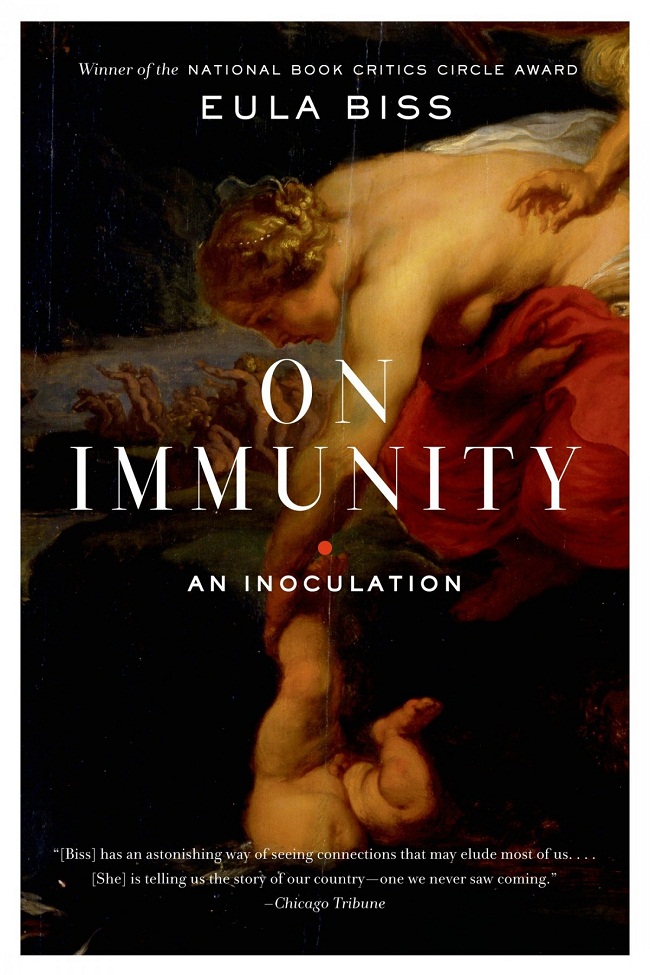
16. on Immunity (Eula Biss)
On Immunity explains why we always suspect the effects of vaccines, but then insist that it is effective and safe.
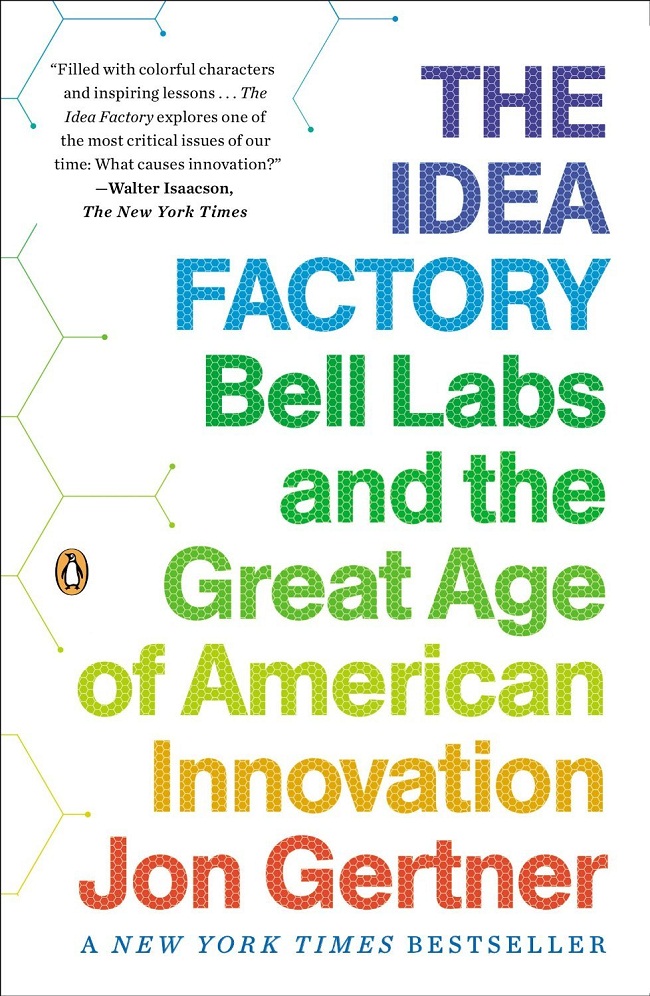
17. the Idea Factory (Jon Gertner)
The Idea Factory is about the history of the Unix operating system Bell Labs ("father") from the 1920s through the 1980s.
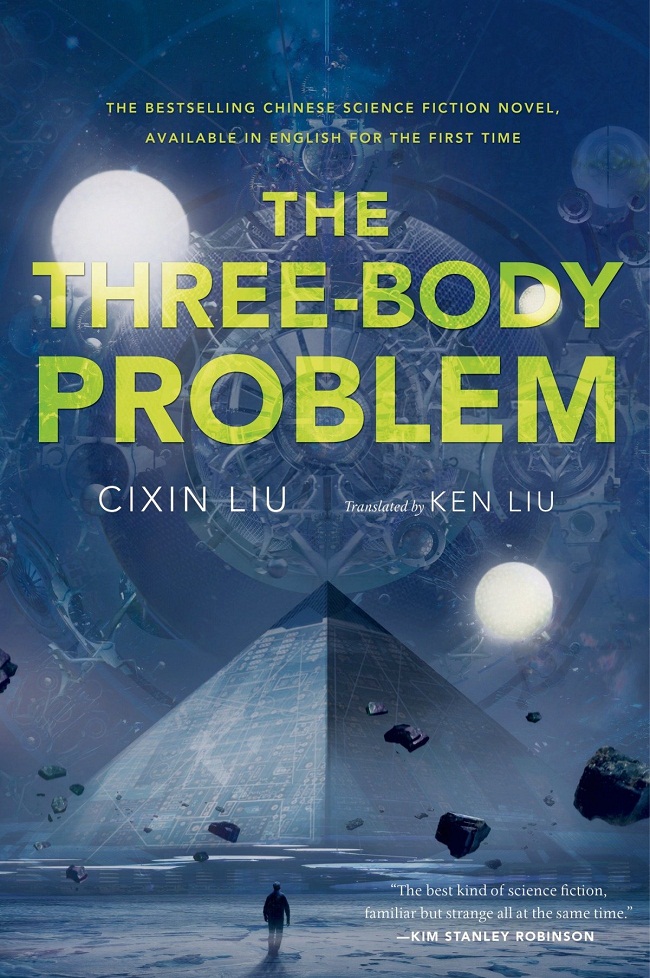
18. the Three-Body Problem (Cixin Liu)
Three-Body Problem, published in China in 2008, dates back to the time of Mao Zedong. This book is about the period of the Cultural Revolution that took place in China when the government sent a peace signal to the universe in search of life. An alien race has received the signal and started invading the earth.
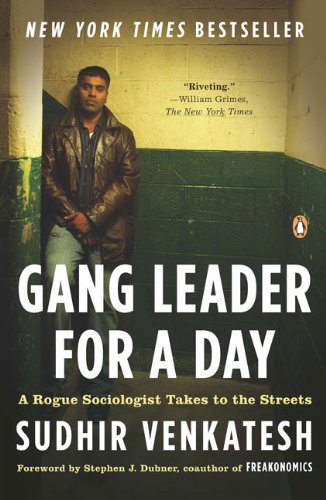
19. Gang Leader for a Day (Sudhir Venkatesh)
Gang Leader for a Day talks about a college student who spent a decade to interact and befriend JT - a drug dealer. The story will help you understand how the government makes policies to create ideal conditions for business development.
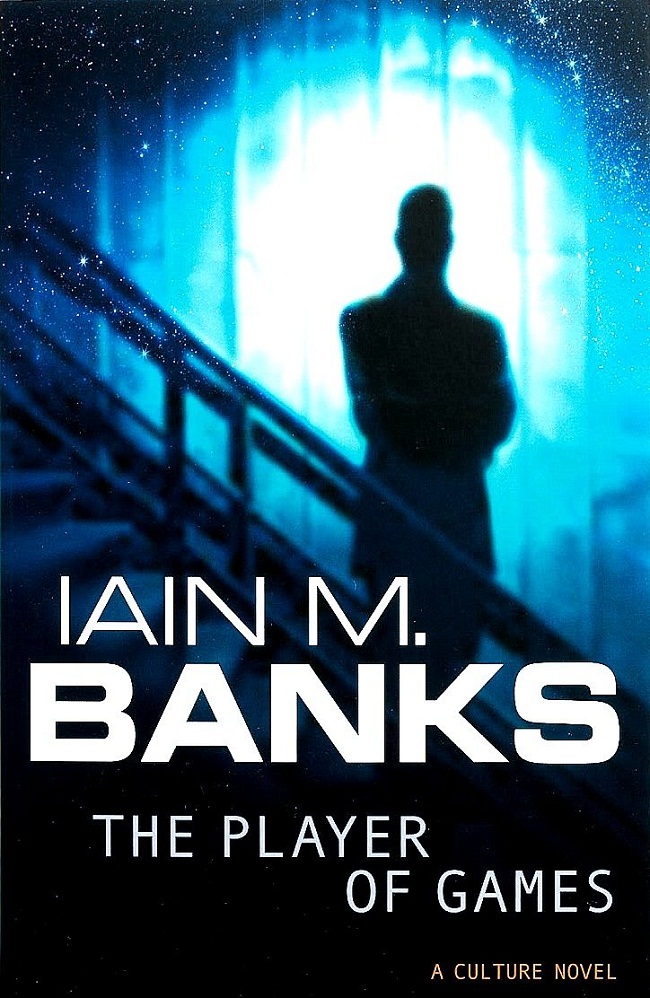
20. the Player of Games (Iain M. Banks)
The Player of Games hypothesizes what humanity would look like if super advanced technologies appeared and they surpassed human ability.
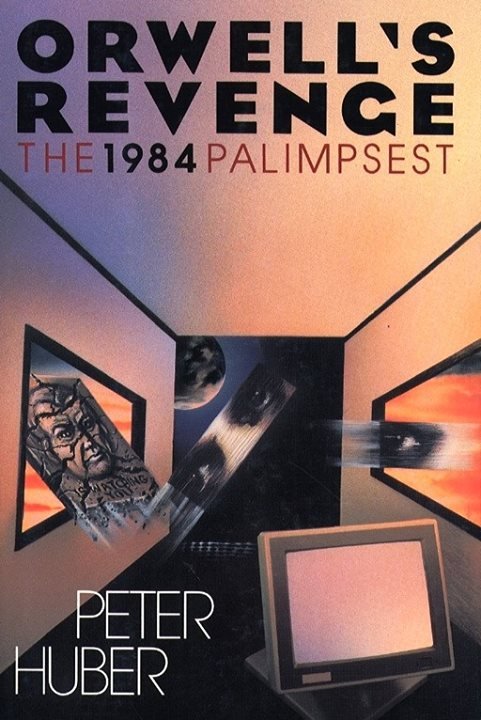
21. Orwell's Revenge (Peter Huber)
Orwell's Revenge is a fictional novel that "draws" a world - where people use technologies, are dependent on them and then release themselves.
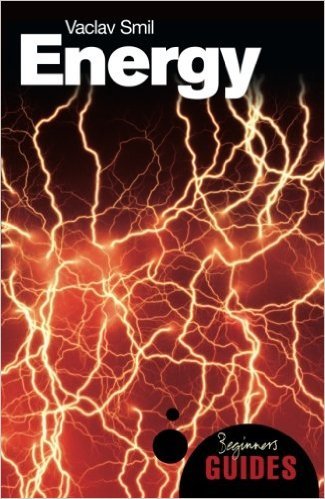
22. Energy: a Beginner's Guide (Vaclav Smil)
Energy: A Beginner's Guide provides basic explanations of energy, ways to create better and more environmentally friendly fuel.
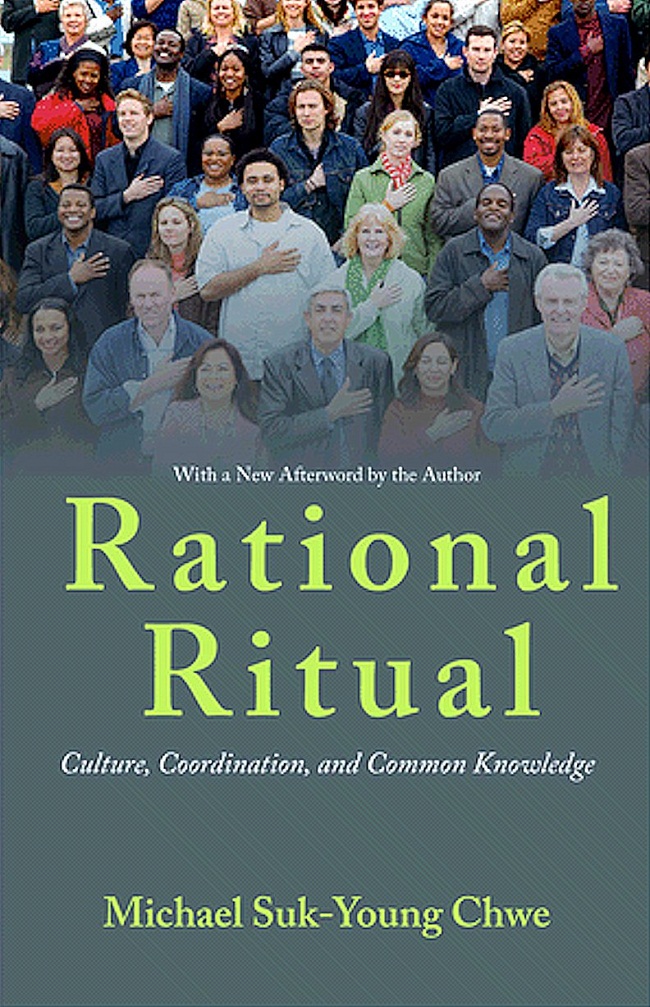
23. Rational Ritual (Michael Suk-Young Chwe)
Michael Suk-Young Chwes uses observation as a way to reexamine crowd behavior and offer solutions to optimize social media.
FAQ
What is the main point of 23 Books Mark Zuckerberg Advises Us to Read?
The career of Facebook CEO Mark Zuckerberg is aiming to bring people around the world closer together. This is also the reason why Mark decided to open the "virtual" book club on this social network with a series of books focused on the diversity of technology, history, beliefs.
Why is 23 Books Mark Zuckerberg Advises Us to Read important?
23 Books Mark Zuckerberg Advises Us to Read matters because it can affect how readers understand, choose, use, or respond to the subject discussed in the article.
What should readers verify about 23 Books Mark Zuckerberg Advises Us to Read?
Check the date, product or software version, compatibility, and any current guidance before acting, especially when technology, security, health, or pricing is involved.
Related Articles
 The Three Mistakes That Startups Make Often Follow Randi Zuckerberg4 minutes read
 17 Interesting Things About Billionaire Mark Zuckerberg You May Not8 minutes read
 After the Last 7 Years Mark Zuckerberg Also Decided to Change His Stylist4 minutes read
 Find Out Who Is Mark Zuckerberg: Main Insights13 minutes read
 'Hating' Apple, Mark Zuckerberg Still Has to Use Macbook but It's4 minutes read
 Lessons Enriched from Facebook Boss8 minutes read
Reader Comments 0
Sign in with email or Google to join the discussion.