What is Hantavirus? How to prevent Hantavirus infection?
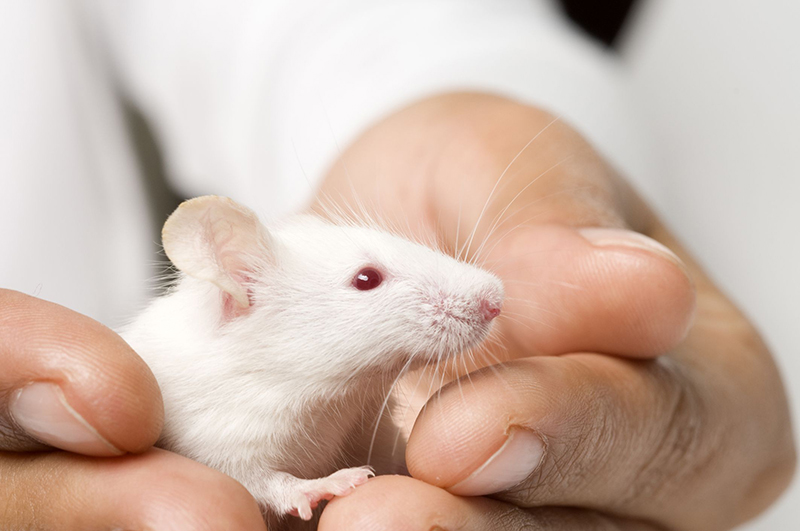
Hantavirus is a group of viruses that spread from animals to humans, naturally residing in rodents such as rats and can silently transmit to humans through contact with contaminated environments.
- What is Hanta Virus?
- Reservoir and transmission routes of Hantavirus
- Diseases caused by Hantavirus strains
- Signs of Hantavirus infection in humans
- What methods are used to diagnose Hantavirus infection?
- Is Hantavirus infection curable?
- Some effective measures to prevent Hantavirus infection.
- 1. Storage
- 2. Routes of transmission
- 1. Hepatic Pulmonary Syndrome (HPS)
- 2. Hemorrhagic fever with renal syndrome (HFRS)
- 1. Obtain a medical history.
- 2. Serum test
- 3. RT-PCR technique
- 1. House and office cleaning
- 2. Use traps and cover areas where rats enter.
- 3. Avoid handling rat droppings with a dry broom or vacuum cleaner.
- 4. Wash your hands frequently.
- 5. Go to the hospital if you experience any unusual symptoms.
Hantavirus originates from rodents and is transmitted to humans through contact with rodents or their waste. The virus can cause two severe forms of the disease: hemorrhagic fever (HPS) and hemorrhagic septicemia (HFRS), with a high mortality rate if not detected and treated promptly.
Hantavirus belongs to the Bunyaviridae family and primarily lives in rodents, especially rats. This virus was first discovered in South Korea, and its name, Hantavirus, comes from the Hanta River – where the virus was first isolated.
- Pathogenicity: Hantaviruses are capable of causing disease thanks to their surface spikes, which help them adhere to surfaces and secrete toxins that disrupt the body's normal physiological functions. The natural host of this virus is rodents. There, the virus develops and causes disease, often without symptoms or with vague symptoms. In humans, Hantavirus disease may be asymptomatic, mild, or severe.
- Characteristics: The virus can survive in feces, urine, and waste products from infected animals. However, it is easily inactivated by high temperatures, surfactants, organic solvents, or cleaning and disinfecting solutions.
- Culture: The virus is cultured on cell cultures, but it does not cause disease in these cells.
The pathogenesis of Hantavirus is currently not fully understood due to a lack of data from experimental models. This virus causes diverse forms of disease in humans, ranging from asymptomatic infection to clinical manifestations with varying degrees of severity. Two severe clinical forms are Hemorrhagic Fever-Related Syndrome (HPS) and Hemorrhagic Fever-Related Renal Syndrome (HFRS).
'Hanta virus infection is relatively rare globally, but can be fatal at varying rates depending on the region: less than 1-15% in Asia and Europe and up to 50% in the Americas. Each year, the world is estimated to record between 10,000 and over 100,000 cases, with the burden of disease concentrated mainly in Asia and Europe (1). According to information from the World Health Organization (WHO), as of May 6, 2026, 8 cases related to this virus have been recorded, including 3 deaths' (2). |
What is Hanta Virus?
Hantavirus is a group of viruses that spread from animals to humans, naturally residing in rodents such as rats and can silently transmit to humans through contact with contaminated environments. Belonging to the Hantaviridae family in the Bunyavirales order, each Hantavirus strain is typically associated with a specific host species, where they exist but rarely cause noticeable symptoms.
Although many strains of Hantavirus have been detected globally, only a few are capable of causing disease in humans, but once infected, the consequences can be very serious. Depending on the geographical region, this virus causes different syndromes. In the Americas, the disease usually manifests as Hantavirus cardiopulmonary syndrome (HCPS), which progresses rapidly and severely affects the lungs and heart. Meanwhile, in Europe and Asia, this virus causes hemorrhagic fever with renal syndrome (HFRS), attacking the blood vessels and kidneys, with the potential for many dangerous complications.
According to WHO statistics, as of the 47th week of the epidemic in 2025, the Americas recorded 229 cases, including 59 deaths, with a mortality rate of 25.7%. In Europe, there were 1,885 infections in 2023, equivalent to 0.4 cases per 100,000 people. East Asia, particularly China and South Korea, continues to record thousands of Hantavirus-induced hemorrhagic fever cases with renal syndrome each year.
Hantavirus is a group of viruses that spread from animals to humans and can cause two dangerous forms of the disease in humans: hemorrhagic pneumonia and hemorrhagic nephrotic syndrome.
Reservoir and transmission routes of Hantavirus
Understanding the reservoir and transmission pathways of Hantavirus is crucial not only for correctly identifying the source of infection but also for effective disease prevention.
1. Storage
Rodents such as voles and yellow-necked rats are natural reservoirs of the Hanta virus. The virus can survive and circulate within rat populations without causing obvious symptoms. Outbreaks in humans are often associated with seasonal increases in rat numbers or favorable environmental conditions, such as years of bumper crops that provide abundant food, leading to a thriving rodent population.
When the rat population density increases, the rate of viral infection within the population can also increase. After infection, rats begin shedding the virus into the environment after a few days and this can continue for many weeks, increasing the risk of infection to humans, especially in residential areas or places where people live.
2. Routes of transmission
Hantavirus is primarily transmitted to humans through the respiratory route by inhaling dust or aerosols containing the virus from the urine, feces, or saliva of infected rats. Additionally, humans can also be infected through direct contact with rats or contaminated surfaces, followed by touching their eyes, nose, or mouth. In rarer cases, infection may occur from a rat bite.
Activities such as cleaning warehouses, enclosed storage facilities, farming, forestry, or living in areas with a high rodent population all increase the risk of exposure.
Human-to-human transmission is generally rare, only observed with certain strains such as the Andes virus in the Americas, and usually occurs with close, prolonged contact, especially in the early stages of the disease.
Diseases caused by Hantavirus strains
Hantavirus has many different strains and can cause serious illnesses, depending on the geographical area and the type of virus circulating.
1. Hepatic Pulmonary Syndrome (HPS)
Hantavirus pulmonary syndrome (HPS), also known as Hanta-induced cardiopulmonary syndrome (HCPS), is an acute respiratory disease transmitted from animals to humans, caused by viruses belonging to the genus Orthohantavirus, family Hantaviridae, order Bunyavirales. More than 20 strains of viruses in this group have been identified. In the Americas, Sin Nombre virus is the primary cause of HPS in North America, while Orthohantavirus andesense is more common in South America.
Symptoms typically appear 1-8 weeks after exposure to the source of infection. In the initial stage, patients may experience fever, fatigue, muscle pain (especially in the thighs, hips, back, and shoulders), along with headache, dizziness, chills, and gastrointestinal disturbances such as nausea, vomiting, diarrhea, or abdominal pain.
After about 4-10 days, the disease can progress to a severe stage with coughing, shortness of breath, and chest tightness due to fluid buildup in the lungs, leading to respiratory failure. HPS has a high mortality rate, which can reach approximately 38% in cases with respiratory symptoms.
2. Hemorrhagic fever with renal syndrome (HFRS)
Hantavirus hemorrhagic fever with renal syndrome (HFRS) is a serious illness primarily affecting the kidneys, with an incubation period typically ranging from 1 to 2 weeks (sometimes up to 8 weeks). The disease begins suddenly with high fever, severe headache, back pain, abdominal pain, nausea, and blurred vision. Some cases may also present with facial flushing, conjunctivitis, or a rash.
In severe cases, patients may experience hypotension, shock, internal bleeding, and acute renal failure, posing a risk of fluid overload in the body. The severity depends on the virus strain. Strains such as Hantaan and Dobrava often cause severe illness with a mortality rate of 5-15%, while Seoul, Saaremaa, or Puumala are usually milder, with a mortality rate of less than 1%. Recovery can take from several weeks to several months.
Hantavirus can cause hemorrhagic fever with nephrotic syndrome, a dangerous condition that directly affects the kidneys, potentially leading to hypotension, shock, internal bleeding, and acute renal failure if not detected and treated promptly.
Signs of Hantavirus infection in humans
After exposure to the source of infection, patients usually develop symptoms after about 1-8 weeks. The initial phase is often nonspecific, including fever, headache, muscle aches, and gastrointestinal symptoms such as abdominal pain, nausea, or vomiting.
Depending on the type of illness, the condition can worsen rapidly:
- Hantavirus pulmonary syndrome (HCPS): May present with cough, shortness of breath, pleural effusion, and rapidly progresses to respiratory failure and shock.
- Hemorrhagic fever with renal syndrome (HFRS): This can cause hypotension, coagulation disorders, and kidney failure in severe cases.
What methods are used to diagnose Hantavirus infection?
Diagnosing Hantavirus infection is often difficult in the early stages, as the initial symptoms resemble many other illnesses such as influenza, COVID-19, viral pneumonia, leptospirosis, or dengue fever. Therefore, doctors need to combine many clinical and laboratory factors to make an accurate diagnosis. (4)
1. Obtain a medical history.
Gathering a thorough medical history is a crucial step in assessing the risk of infection. Doctors will ask detailed questions about potential exposure to rats or rodent-infested environments, occupational factors (agriculture, warehousing, forestry, etc.), travel history, and contact with confirmed cases in endemic areas.
2. Serum test
Serological tests help detect antibodies or antigens of the virus, including:
- IFA (Immunofluorescence assay): Detects viral antigens in patient samples.
- ELISA: Detects IgG antibodies, has high sensitivity, and is widely used in rapid diagnosis.
- Hemagglutination inhibition test: Supports antibody detection with simpler technical requirements.
- PRNT (Private Necrosis Factor Neutralization): Helps to identify and evaluate specific antibodies with high accuracy.
- Western Blot: Used to confirm the diagnosis and identify the specific virus strain causing the illness.
- Observation using an electron microscope: In some special cases, viruses can be observed directly using an electron microscope when the viral concentration in the sample is sufficiently high. However, this method is rarely used routinely due to its high technical requirements.
3. RT-PCR technique
RT-PCR is a molecular biology technique used to detect the genetic material (RNA) of the Hanta virus in patient samples.
To diagnose Hantavirus, doctors may order a RT-PCR molecular biology test to detect the virus's genetic material in a patient's sample.
Is Hantavirus infection curable?
Currently, there are no specific antiviral drugs or vaccines licensed for Hantavirus disease. Treatment mainly focuses on supportive care and managing complications, particularly in the respiratory, cardiovascular, and renal systems.
- Supportive care: Use fever-reducing and pain-relieving medication as needed.
- Close monitoring and intensive treatment: Patients require close hemodynamic monitoring, careful fluid administration, and respiratory support. In severe cases (especially HPS), prompt transfer to the intensive care unit (ICU) is necessary.
- Intensive intervention: May require mechanical ventilation, vasopressors, and tight fluid control. In severe cases, ECMO (extracorporeal membrane oxygenation) may be used to support cardiopulmonary function.
- Kidney support: If severe kidney failure (HFRS) occurs, the patient may need dialysis.
Because the disease can progress rapidly and be dangerous, early detection and timely treatment are key factors in improving the prognosis for patients.
Some effective measures to prevent Hantavirus infection.
To reduce the risk of Hantavirus infection, especially in areas with high rodent populations or poor sanitation, people should proactively take the following preventive measures:
1. House and office cleaning
Regularly clean and dry your home, office, and warehouse to limit places where rats can hide. If you find signs of rodent damage, handle it properly by opening windows for ventilation, wearing a mask and gloves, and moistening the suspected area with a disinfectant or cleaning solution before cleaning to prevent the spread of virus-containing dust into the air.
2. Use traps and cover areas where rats enter.
Actively seal any gaps, openings, or pathways that mice may use to enter your home. Use traps when necessary to control the mouse population. Also, store food and water in airtight containers, keep food out of sight, and collect garbage daily to avoid attracting rodents.
3. Avoid handling rat droppings with a dry broom or vacuum cleaner.
Absolutely avoid dry sweeping or using vacuum cleaners or blowers in areas with feces, urine, or rat nests. These actions can spread the virus into the air as aerosols, increasing the risk of inhaling pathogens.
4. Wash your hands frequently.
Wash your hands with soap and clean water after cleaning, handling waste, contact with rodents, or working in a high-risk environment. This is a simple but crucial measure to prevent indirect infection.
5. Go to the hospital if you experience any unusual symptoms.
After contact with rats or a suspected environment, if symptoms such as fever, chills, headache, muscle pain, dizziness, nausea, vomiting, abdominal pain, or diarrhea appear, seek immediate medical attention. Also, clearly report any history of exposure to rodents for timely diagnosis and treatment.
To prevent Hantavirus infection, people need to keep their homes clean and well-ventilated, and wash their hands with soap and water after cleaning, handling waste, or coming into contact with areas at risk of rodent infestation.
Besides the risk from Hantavirus, many infectious diseases transmitted by animals or insects are still circulating, such as rabies (transmitted through bites, scratches, or licks from dogs and cats), dengue fever, and Japanese encephalitis (transmitted through mosquitoes). These are all diseases that can progress severely, even threatening life, if not prevented and treated promptly. People need to proactively get vaccinated fully and on schedule against diseases for which vaccines are available, and combine this with measures to control the source of infection to protect their own health and the community.
Although rare, Hantavirus can cause severe and rapidly progressing illness, threatening life if not detected and treated promptly. Given the current lack of a specific treatment or vaccine, raising awareness, proactively avoiding contact with sources of infection, and monitoring health are crucial. In particular, if you suspect you have the disease, you should go to the hospital immediately for examination, diagnosis, and timely treatment.
You've just finished reading the article "What is Hantavirus? How to prevent Hantavirus infection?" edited by the TipsMake team. You can save what-is-hantavirus-how-to-prevent-hantavirus-infection.pdf to your computer here to read later or print it out. We hope this article has provided you with many useful tech tips and tricks. You can search for similar articles on tips and guides. Thank you for reading and for following us regularly.
- How to Prevent an Eye Infection
- Cocktails can help prevent septic shock
- Trick to prevent 100% virus infection from USB, memory card, phone to computer
- Prevent Virus infection from USB to computer by disabling MountPoints2
- The time when flu occurs and how to prevent it
- Simple ways to prevent viruses on the internet!