Table of Contents
Overview
This guide explains BMI in clear, practical terms. It covers the key concepts, recommended steps, common limitations, and useful checks so you can make a better-informed decision.
BMI is an index that helps you determine whether your current body condition is normal, obese or malnourished. Based on this index, we can make a plan to lose weight or supplement appropriate nutrition to have a healthy body.
What Is BMI?
BMI is a measure of body fat based on height and weight, applicable to adult men and women (except pregnant women, athletes and the elderly).
The BMI index is used to assess whether a person is obese, malnourished or at ideal weight.
BMI stands for Body Mass Index. BMI is also known as body mass index.
The BMI index was first proposed by a Belgian scientist in 1832.
Standard formula for calculating BMI
The formula for calculating BMI is based only on a person's height and weight:
BMI = Cân nặng / [(Chiều cao)2]
- Weight in kg.
- Height in m.
What Is the normal BMI?
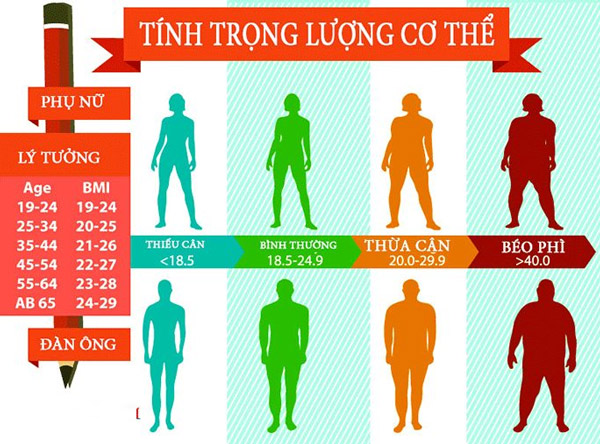
Based on the classification table of the Asian Diabetes Association (IDI & WPRO) applied to Asians below, from the BMI index we can know the level of fatness of a person. Accordingly, the ideal BMI index of Vietnamese people is from 18.5 to 22.9.
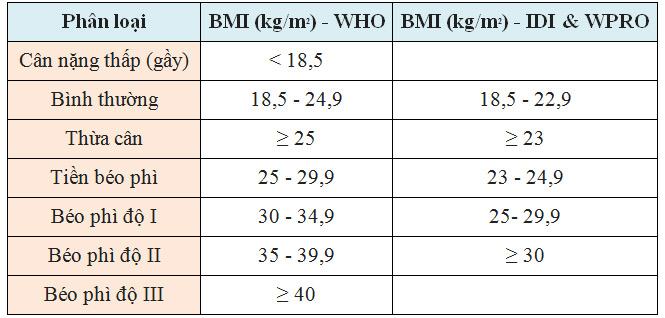
In addition, we can rely on height to quickly calculate our ideal weight, maximum allowable weight, and minimum weight according to the following formula:
Ideal weight = [Odd number of height (cm) x 9]/ 10
Maximum weight = Odd number of height (cm)
Minimum weight = [Odd number of height (cm) x 8] / 10
For example:
- A person with height 1.7m = 170cm:
- That person's ideal weight: (70 x 9): 10 = 63kg.
- Maximum weight of that person: 70kg.
- Minimum weight of that person: (70 x 8):10 = 56kg.
Standard BMI table for infants from 0-12 months old
Boy
| Height | Weight | Year old |
| 49.9 cm | 3.3 kg | Newborn |
| 54.7 cm | 4.5 kg | 1 month |
| 58.4 cm | 5.6 kg | 2 months |
| 61.4 cm | 6.4 kg | 3 months |
| 63.9 cm | 7 kg | 4 months |
| 65.9 cm | 7.5 kg | 5 months |
| 67.6 cm | 7.9 kg | 6 months |
| 69.2 cm | 8.3 kg | 7 months |
| 70.6 cm | 8.6 kg | 8 months |
| 72 cm | 8.9 kg | 9 months |
| 73.3 cm | 9.2 kg | 10 months |
| 74.5 cm | 9.4 kg | 11 months |
| 75.7 cm | 9.6 kg | 12 months |
Baby girl
| Height | Weight | Year old |
| 49.1 cm | 3.2 kg | Newborn |
| 53.7 cm | 4.2 kg | 1 month |
| 57.1 cm | 5.1 kg | 2 months |
| 59.8 cm | 5.8 kg | 3 months |
| 62.1 cm | 6.4 kg | 4 months |
| 64 cm | 6.9 kg | 5 months |
| 65.7 cm | 7.3 kg | 6 months |
| 67.3 cm | 7.6 kg | 7 months |
| 68.7 cm | 7.9 kg | 8 months |
| 70.1 cm | 8.2 kg | 9 months |
| 71.5 cm | 8.5 kg | 10 months |
| 72.8 cm | 8.7 kg | 11 months |
| 74 cm | 8.9 kg | 12 months |
Standard BMI table for children from 6-10 years old
Boy
| Height | Weight | Year old |
| 115.1 cm | 20.2 kg | 6 |
| 120.8 cm | 22.4 kg | 7 |
| 126.6 cm | 25 kg | 8 |
| 132.5 cm | 28.2 kg | 9 |
| 138.6 cm | 32 kg | 10 |
Baby girl
| Height | Weight | Year old |
| 116 cm | 20.5 kg | 6 |
| 121.7 cm | 22.9 kg | 7 |
| 127.3 cm | 25.4 kg | 8 |
| 132.6 cm | 28.1 kg | 9 |
| 137.8 cm | 31.2 kg | 10 |
Standard BMI table for children over 10 years old
Boy
| Height | Weight | Year old |
| 138.6 cm | 32 kg | 10 |
| 143.5 cm | 35.6 kg | 11 |
| 149.1 cm | 39.9 kg | 12 |
| 156.2 cm | 45.3 kg | 13 |
| 163.5 cm | 50.8 kg | 14 |
| 170.1 cm | 56 kg | 15 |
| 173.4 cm | 60.8 kg | 16 |
| 175.2 cm | 64.4 kg | 17 |
| 175.7 cm | 66.9 kg | 18 |
Baby girl
| Height | Weight | Year old |
| 137.8 cm | 31.2 kg | 10 |
| 144 cm | 36.9 kg | 11 |
| 149.8 cm | 41,5 kg | 12 |
| 156,7 cm | 45,8 kg | 13 |
| 158,7 cm | 47,6 kg | 14 |
| 159,7 cm | 52,1 kg | 15 |
| 162,5 cm | 53,5 kg | 16 |
| 162,5 cm | 54,4 kg | 17 |
| 163 cm | 56,7 kg | 18 |
Một trong những điều quan trọng nhất là bạn phải kiên trì theo chế độ và bài tập đã đặt ra.
Chỉ số WHtR
- Vòng eo của người phụ nữ lý tưởng là không quá 87 cm.
- Còn vòng bụng lý tưởng của nam giới là không quá 101,6 cm.
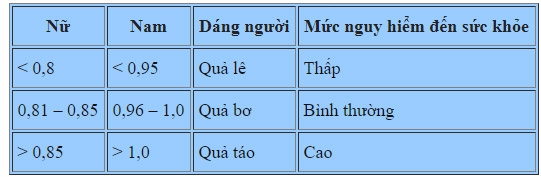
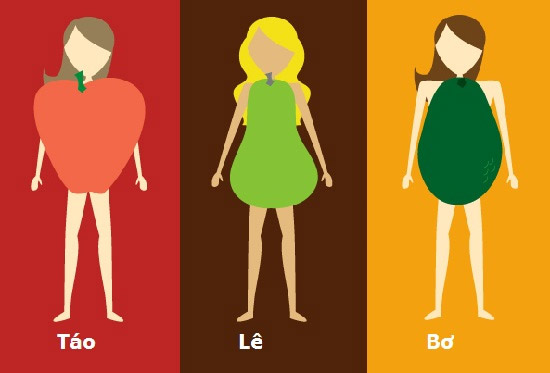
Chỉ số WHR
WHR = [Vòng eo (cm)] / [ Vòng mông (cm)]
- Vòng eo: Đo ở ngang rốn.
- Vòng mông: Đo ngang qua điểm phình to nhất của mông.
Key Takeaways
Use the guidance above as a practical reference for what is the BMI for obesity. Check compatibility, follow the steps carefully, and verify important details with official documentation when software, security, accounts, health, or purchases are involved.
FAQ
What is BMI used for?
BMI is used for the purposes described in this guide. Its practical value depends on your goals, device, workflow, and required features.
What are the main benefits and limitations of BMI?
The benefits may include convenience, performance, or greater control, while limitations can involve cost, compatibility, complexity, or security.
How do I decide whether BMI is right for me?
Compare its requirements, limitations, cost, compatibility, and real-world value with your own priorities before making a decision.
Related Articles
 Bmi Calculation to Assess Whether the Body Is Obese or4 minutes read
 Obese Patients Are Less Likely to Die After Heart Surgery Than4 minutes read
 What Is the Normal Body Temperature? What Temperature Is Abnormal3 minutes read
 The Easiest Way to Calculate the Percentage (%)6 minutes read
 9 Facts About Body Temperature Anyone Should Know6 minutes read
 How to Detox Your Body After Eating and Drinking4 minutes read
Reader Comments 0
Sign in with email or Google to join the discussion.