Table of Contents
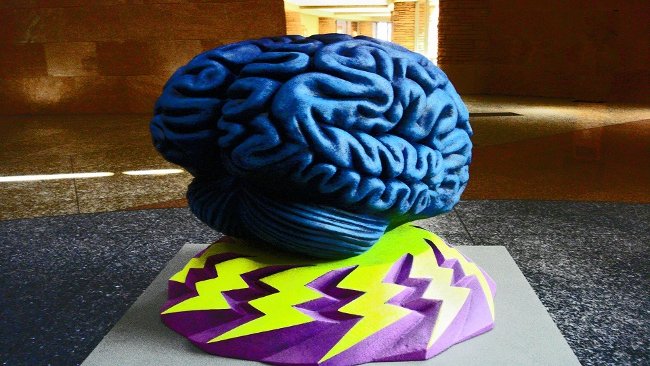
Effective thinking Is something that you can practice and develop over time. Everything starts and ends with the link between the brain and the heart.
1. Identify and reverse the negative beliefs.
' I'm not good enough '. ' I'm not worthy '. Most of us are affected by past experiences and when we '. Label ' them negatively, our subconscious will bring them to reality in the present. Effective thinking by. Reversing negative thoughts into positive And letting it repeat many times in your mind.
2. Strong words awaken positive thinking.
' I'll try this out '. Where is the strength in this sentence? Replace that sentence with: '. I will master this technique and look for more customers. '. Using strong words will attach success to your thoughts.
If only using the word '. Try ' will not promote, and the word '. Mastering ' something is very motivating. Effective - and powerful thinking. Strong thoughts will encourage strong actions.

3. When something happens, you think of yourself how you will be.
If you think you fail, don't deserve success or happiness, or you're not good enough, your subconscious will drive you in the direction you think. To think effectively, you must think in ways that will drive you towards success.
4. When you experience failure or crisis, think about 'What's the lesson here?'.
Remember that things start and end with a brain-heart connection. Find a valuable lesson that will benefit you in every difficult situation. That way, when you look back, you will see it as an experience, not a difficult and negative event. Try to find joy in everything.

5. When stopping work to think about it, make sure you start over.
There are many great ideas that have been abandoned because of their procrastination or procrastination. When you find yourself standing in the middle of a job and hesitating, go back and read section 1. Find out what belief is stopping you, reverse it, use strong words and get back to work unfinished.
See also: 10 great ways to enhance creative thinking ability at work.
6. Too much thinking will stagnate.
This way of thinking is like this: Thinking - Ideas - Vision - Action. . Start thinking and forming an idea. Imagine how all the ideas are done in the beginning and take steps to make that idea a reality.

7. Can't expect something and have it at the same time.
I - the author of the article, was guided by a business experienced person on money and when I realized it, I was no longer stuck. When you want something, all your thoughts often focus on that desire. You will find yourself saying: ". I don't know how, but I have to get it. ", please review section 6.
Take what you want to turn into an idea, make it clear and act to achieve it. . Change your focus to an ". Existing " state That Will activate the psychological brain to take the next step and achieve the goal, instead of staying in the state of desire.
8. Use psychological activation to keep the mind and heart together.
For example, in your heart you need to set up a budget. However, your head says: "It. 's useless, I always break the plan. ".
Don't surrender, reverse your thoughts . Think about how much you will be relieved when you know exactly how much you have to spend and where to spend it. This will help your brain and heart beat, motivate you to budget and follow it. Psychological activation is much less stressful.

9. Before feeling hurt or offended by your friends' actions or words, see their hearts.
In general, by looking at someone's heart, you will better understand their reaction. As a result forgiveness will come easier and save energy for your creativity, instead of anger and frustration.
10. Review your motivation
Before speaking or acting, make sure what you're thinking is your opinion, not your friends, your boss or your partner. When thinking, make sure it is thoughtful, unbiased and does not seek approval or influence by others.

11. Don't bury the sentimental thoughts.
When you see yourself pushing an uncomfortable thought or ignoring the actual feeling, don't do it. Even with negative emotions comes. Let it be shown. Sit back for a few minutes to feel that feeling. . Feel it, face it and let it go. Do not stop these sentimental emotions because they will always interfere with stressful moments and make you do things that you will later regret.
12. Focus on the present moment.
Not yesterday, not tomorrow but right now. That's all you have, all that matters to you. In this way, your actions in the present will not be limited by past experiences. This is the most powerful tool to help you think effectively.
Practice these simple techniques every day, you will. Master effective thinking And soon see improvements in work, creativity and relationships. Remember, just help your thoughts and your heart beat so they don't conflict with each other.
See also: 11 characteristics of people with smart thinking.
Having fun!
FAQ
What is effective thinking?
Effective thinking Is something that you can practice and develop over time.
What makes effective thinking notable?
Effective thinking by.
What are the key facts about effective thinking?
Effective - and powerful thinking.
Related Articles
 11 Ways of Training Help the Brain Work More Effectively5 minutes read
 10 Useful Software to Help You Train Your Brain Every Day11 minutes read
 The Human Body Is Stronger Than the Supercomputer5 minutes read
 What to Eat to Increase Creativity: Brain4 minutes read
 6 Simple Things to Help Your Brain Get Better and Better5 minutes read
 Signs You May Have 'Brain Rot'6 minutes read
Reader Comments 0
Sign in with email or Google to join the discussion.