Table of Contents
This article provides a clear overview of Senators Press Google Sibling Verily Again on Data Privacy, with the main facts, useful context, and practical details organized for easy reading.
The website, which launched two weeks ago, has people take a screener survey to see if they should go to testing stations for COVID-19, the respiratory illness caused by the novel coronavirus. The tool, which is right now only open to people in four California counties, is hosted through Verily's Project Baseline, an initiative to advance clinical research.
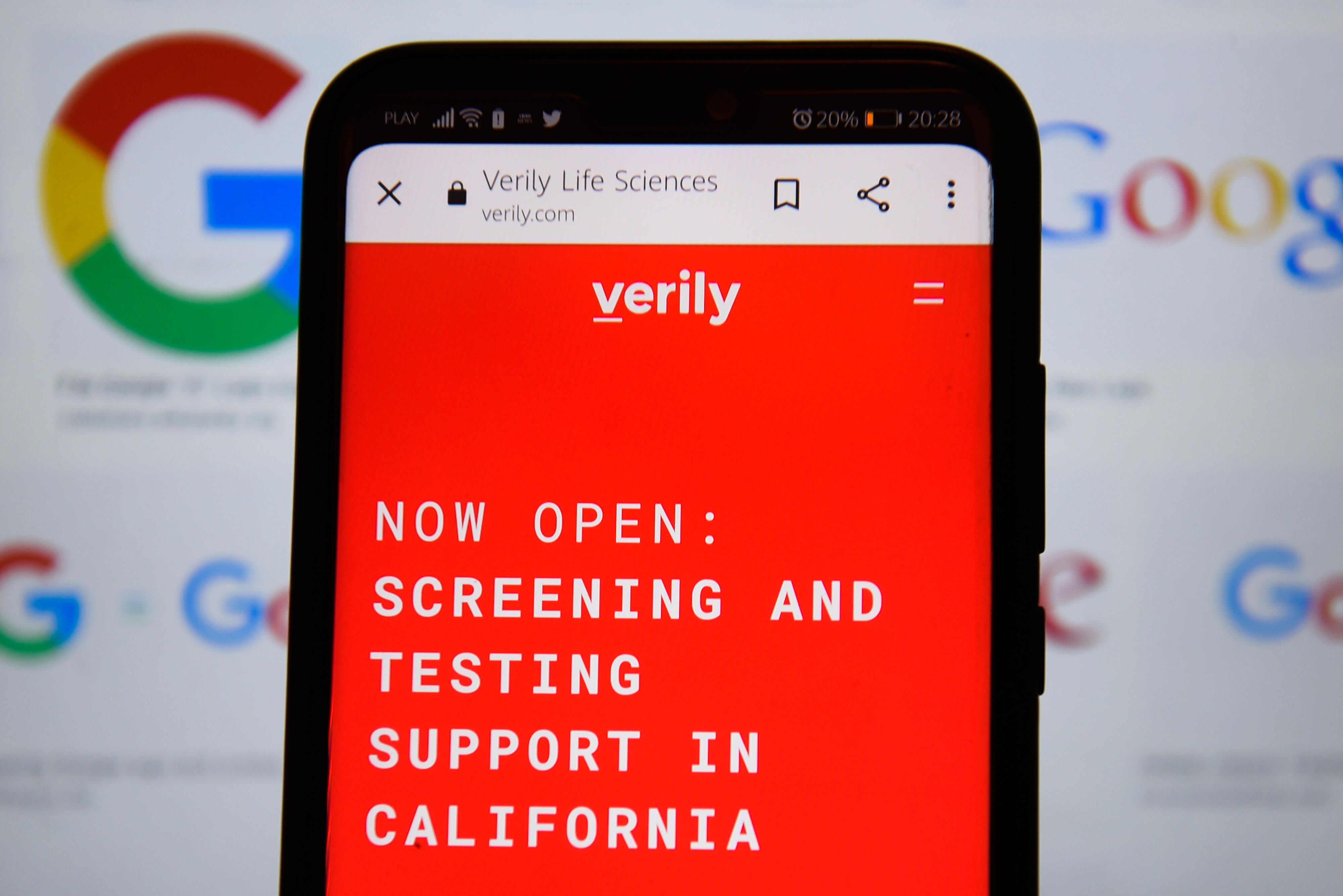
The lawmakers raised concerns about the website's compliance with the Health Insurance Portability and Accountability Act, or HIPAA, the federal law regulating the security and privacy of certain medical information. The senators also took issue with the website requiring a Google account to take the screener, a move that has already drawn scrutiny from privacy advocates.
"As Verily moves forward with the Baseline COVID-19 Pilot Program and test screening websites in California, it is essential that you address these critical privacy concerns," the senators wrote in an open letter to Verily CEO Andy Conrad. The letter is signed by Sens. Robert Menendez of New Jersey, Kamala Harris of California, Richard Blumenthal of Connecticut, Sherrod Brown of Ohio, and Cory Booker of New Jersey.
Verily didn't immediately respond to a request for comment.
The letter comes as tech giants have tried to use their resources and engineering chops to contribute to the coronavirus response. Apple last week launched its own COVID-19 website and app, in partnership with the CDC and White House. Google also pledged more than $800 million last week to the relief effort, mostly in free advertising for small and medium-sized businesses, as well as entities like the World Health Organization.
But even as the tech giants try to help, they're still haunted by past privacy controversies. Tuesday's letter is a follow-up to another missive by senators from March 18 about data concerns. In response to that letter, though, Verily said it keeps data separate from Google. "We do not combine this data with an individual's Google account, and were we to ever wish to do so, individuals would need to provide separate and explicit consent," Verily wrote.
On Tuesday, the senators asked what that consent process would look like. They also asked if Verily would provide a way to use the site without a Google account.
Verily has until April 6 to respond to the letter.
FAQ
What is the main focus of Senators Press Google Sibling Verily Again on Data Privacy?
The article explains the most important facts, context, and practical details related to Senators Press Google Sibling Verily Again on Data Privacy.
Who may find this information useful?
It is useful for readers who want a clear overview, practical context, and a better understanding of the subject.
What should readers verify before taking action?
Check current product versions, official requirements, regional availability, and any details that may have changed since the original publication.
Related Articles
 Europe Develops Coronavirus Tracking App Meant to Also4 minutes read
 The Google Corona Virus Screening Website in California Has3 minutes read
 Google Fined $425 Million for Violating User Privacy3 minutes read
 Privacy Is Apple's Most Advanced Product8 minutes read
 Google Tightens User Privacy3 minutes read
 Google Searches About Finances Spike in US Amid Coronavirus3 minutes read
Reader Comments 0
Sign in with email or Google to join the discussion.