This guide provides a practical overview of See 14 Interesting Rare Natural Phenomena, including its main features, benefits, limitations, and important considerations.
1. Comet Hale Bopp is seen above Stonehenge's ancient stone circle
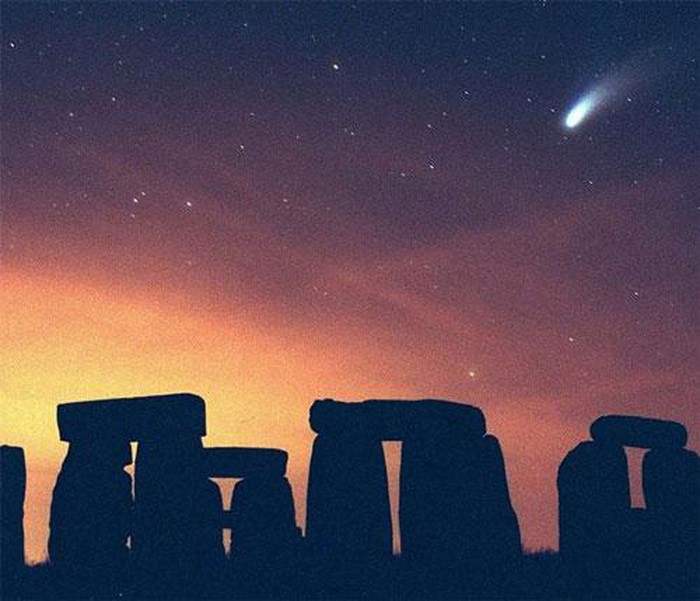
Comet Hale-Bop orbits the sun in 1997 and became one of the brightest comets in history. It's a long-term "gift", as it can be seen with the naked eye for more than 18 months (a record).
2. Cloud hole - the circle opens to heaven
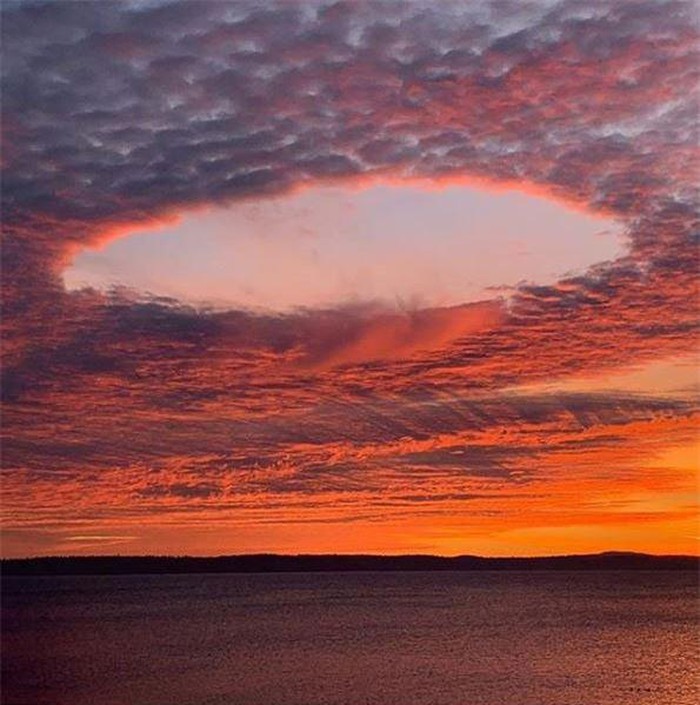
Imagine that on a cold day and a cloudy horizon full of clouds, suddenly, you see a huge hole that you can see through the sky. This phenomenon is called cloud hole. It occurs when a large number of small ice crystals burst into the cloud layer causing water droplets to evaporate. Although explained by the laws of physics, this phenomenon is still extremely miraculous.
3. Rainbow Mist looks like an albino rainbow

When you see this phenomenon , you may think that you have lost the ability to distinguish colors. Stay calm and enjoy watching it, a rainbow-like mist "brother" with albino rainbow.
Instead of being made up of water droplets, it is made up of small dewdrops. Because they are smaller, they only reflect white, making this phenomenon quite spooky and mysterious.
4. Lava on Hawaii beach
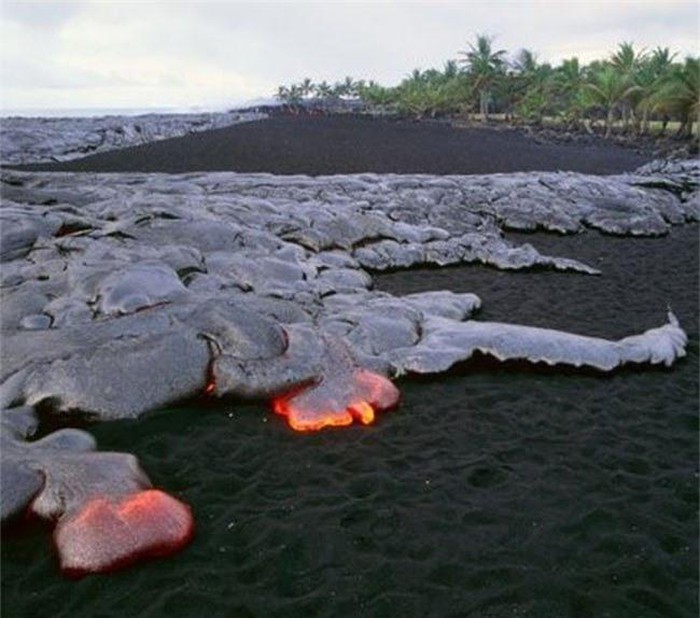
In May 2018, the Kilauea volcano in Hawaii exploded. It began spraying ashes into the air and spewing dense lava tubes to the Pacific Ocean. It also travels very far, destroying the largest natural freshwater lake in Hawaii. It also spread to the beaches, filling Kapoho Bay and expanding new lands almost a mile into the sea.
5. West Comet near the Sun in 1976
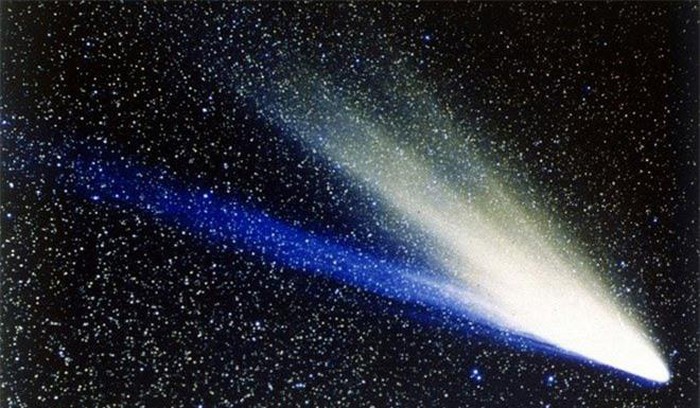
The West Comet was described as one of the brightest objects that passed through the solar system in 1976. Its nucleus splits into four pieces, giving a spectacular image of its long tail. At the time, this was one of the few comet cracks observed.
6. Pyroclastic flow creates volcanic clay
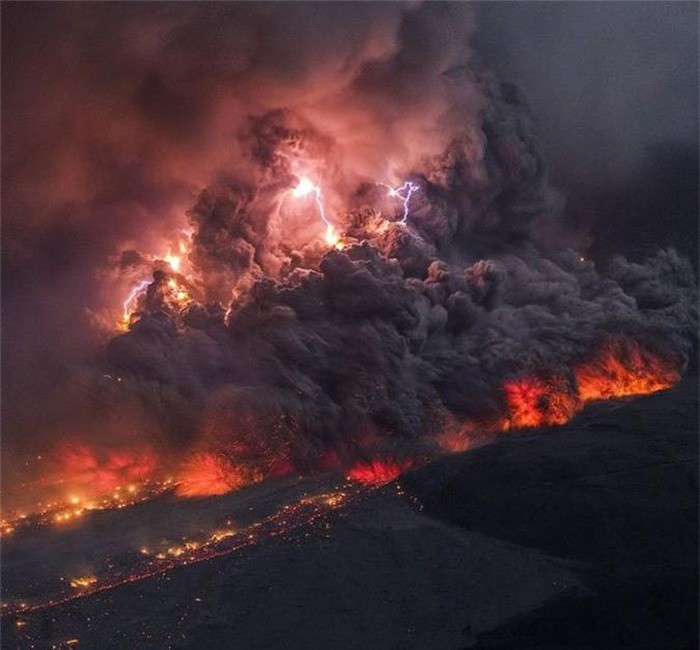
When a volcano erupts, it emits a pyroclastic flow, a hot stream of gas and ash moving rapidly. Sometimes, these materials blend and combine with extreme temperatures to create an incredible light show.
7. Rainbow waterfall is rare in Yosemite National Park
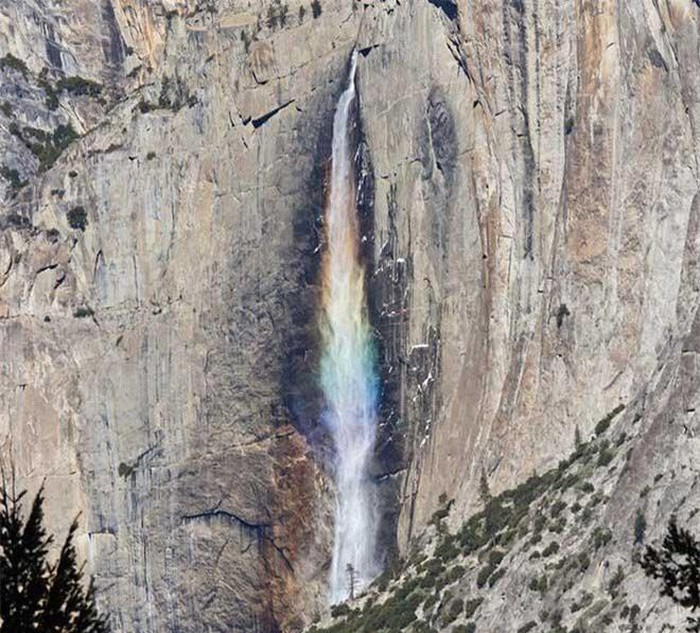
Only a few lucky people witnessed the sight of the Falls at the Yosemite National Park turning into a rainbow. This is a great example of what happens when sunlight is reflected on water droplets.
These images seem to be edited but nature is really filled with color and imagination.
8. Frozen waves were discovered on the Croatian coast
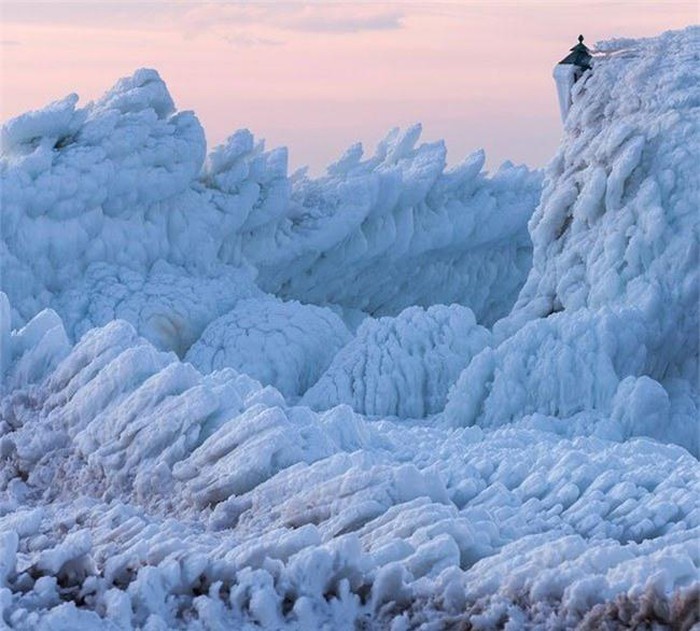
A violent storm knocked out these monster waves, which then froze at temperatures below zero in 2012. This makes the sea of Senj, Croatia covered in hard ice that looks like ice cream.
9. Desert "revives" and blooms
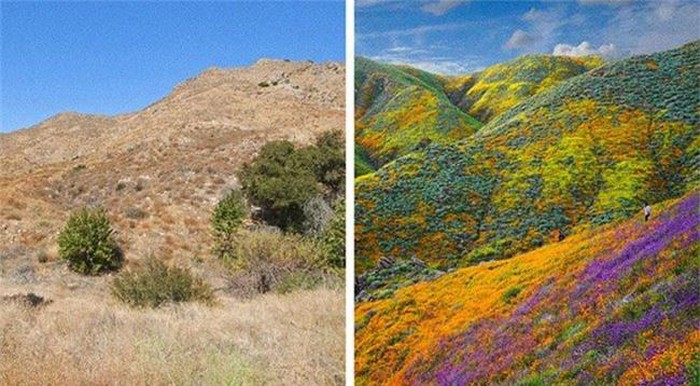
The phenomenon of "super blooms" in California usually occurs about once every 10 years. This phenomenon requires a perfect "storm" of conditions: stable rain, warm temperatures and low winds.
The desert will turn into a colorful picture when thousands of wildflowers bloom at the same time. A wonderful gift of nature!
10. The super blood moon rises behind the Parthenon in 2018
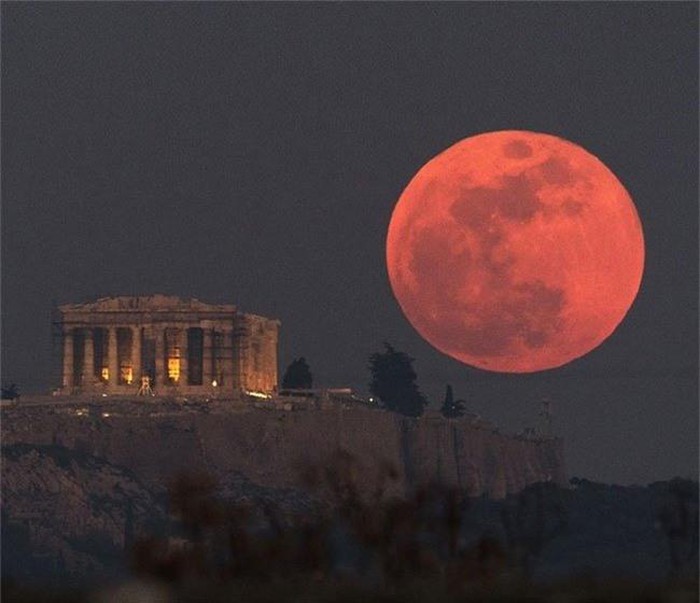
A total lunar eclipse that is a super moon is a relatively rare phenomenon. In the 21st century, there are 87 total lunar eclipses, of which only 28 are super moons.
Sky observers can see a combined "swollen" moon and lunar eclipse for the first time in decades, the moon now bathed in crimson light.
11. Cloud bubbles
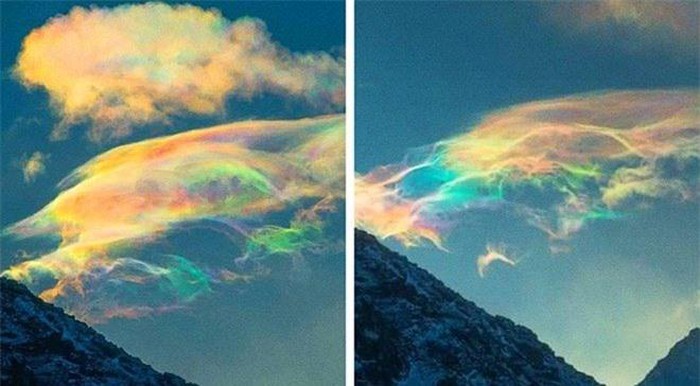
If we see the sky shine brightly as if giant soap bubbles are floating, we are not experiencing hallucinations, but witnessing cloud bubbles. This happens only when very uniform droplets of water distract the sunset light.
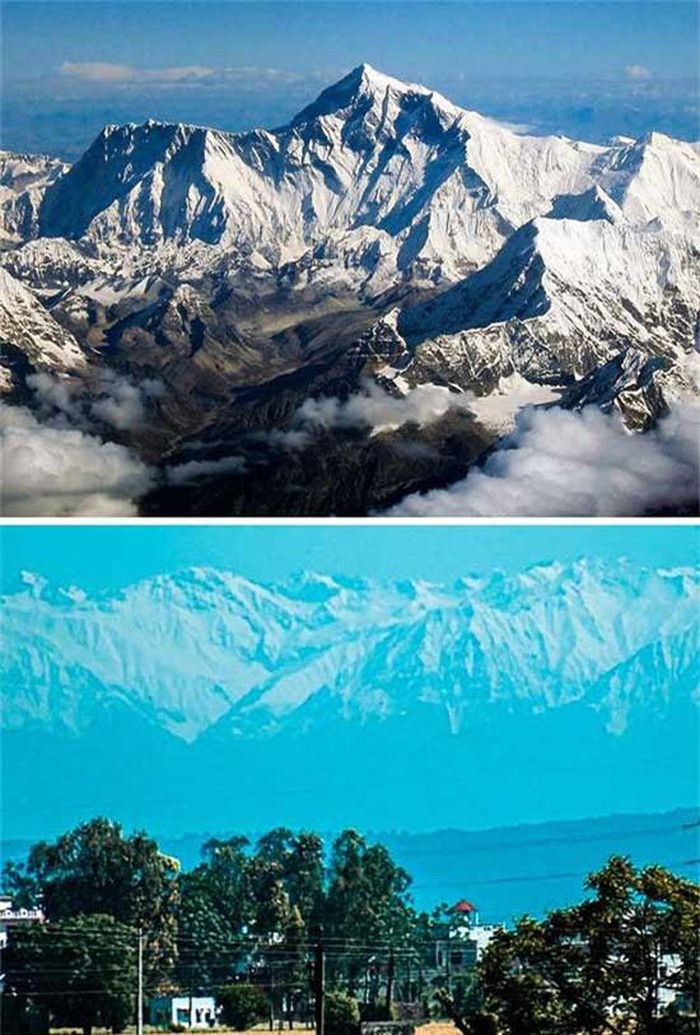
In April 2020, a sharp drop in pollution caused the image of the Dhauladhar mountain range to be splendid again. This is part of the Himalayas and we can now be observed even from Jalandhar - 143 miles away.
13. Snow falls in the spring in Tokyo
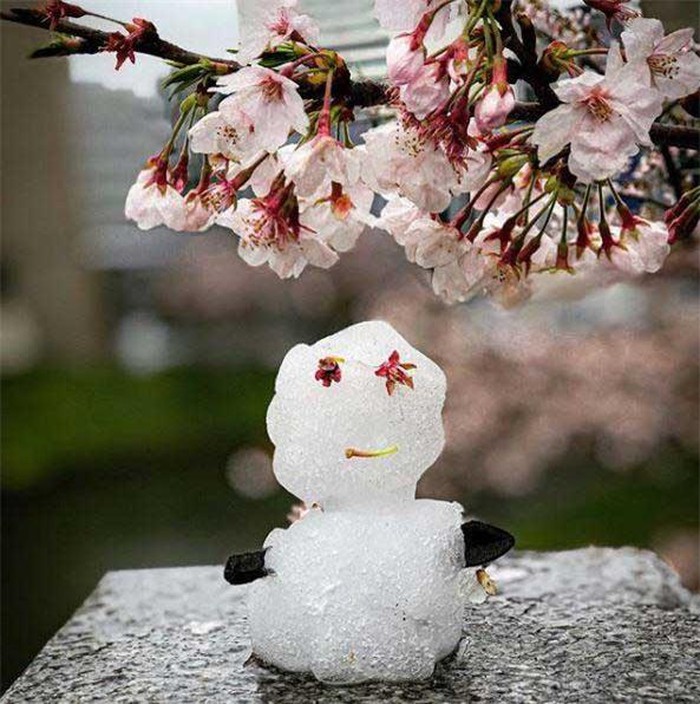
Seeing snow in Tokyo is quite special, but what makes it really surprising is that it happened in April while cherry blossoms bloomed. Tokyo has snow about 7.6 times per season, mostly in January and February. And this is the first spring snowfall in 32 years.
14. Midnight sunset reflected in a waterfall in Iceland

During the summer months in Iceland, the sun is still visible at midnight local time and we can admire the sunset at 1:30. In this photo, we can see the sunset shining at a height of 196 feet of the Seljalandsfoss waterfall, spectacular!



Reader Comments 0
Sign in with email or Google to join the discussion.