Table of Contents
OpenAI announced an update to GPT-5 Instant on October 3, 2025, intended to improve how ChatGPT responded to possible signs of emotional or mental distress. This was a model-behavior update, not a claim that ChatGPT could diagnose a person or replace professional care.
What OpenAI said changed
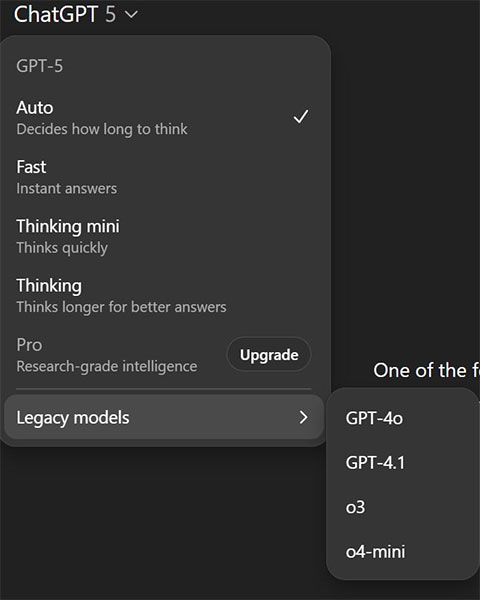
The official model release notes described training aimed at recognizing potential distress, responding in a more supportive and grounding way, de-escalating conversations, and pointing toward real-world help where appropriate.
The announcement concerned an October 2025 rollout. It should not be presented as a new update happening today or as a description of every model currently available in ChatGPT.
Supportive wording is different from clinical understanding
A model can respond to patterns in what a user writes, but it can misunderstand context or miss important information. A warmer reply does not demonstrate that it has accurately assessed someone's emotional state.
OpenAI's October 27, 2025 explanation described collaboration with mental-health experts and work on sensitive conversations, including emotional reliance on AI. Its stated goals included respecting real-world relationships and encouraging appropriate human support.
What this means for users
ChatGPT may help someone put feelings into words or prepare questions for a conversation with a professional. It can also produce an incomplete or unhelpful response. Treat its output as something to consider, not as a diagnosis, a treatment plan, or confirmation that a situation is safe.
Claims that the update made ChatGPT a “trusted emotional companion” go beyond the announcement. Supportive language should help people connect with appropriate real-world support rather than encourage exclusive reliance on a chatbot.
For an immediate risk to safety, use local emergency services or a trusted person who can help directly. An AI conversation is not emergency care.
Related Articles
 How to Use the OpenAI API: Keys, Python, Models, and Costs
 OpenAI Codex User Guide with 3 Real-World Examples
 What Is OpenAI? Company, Products, and Model Training Explained
 OpenAI ‘Sweetpea’ Earbuds Rumor: Claims and Confirmed Background
 OpenAI enables ChatGPT to chat directly with apps
 OpenAI Announces ChatGPT Pro Plan for a whopping $200 per month
Reader Comments 0
Sign in with email or Google to join the discussion.