Table of Contents
Overview
This guide covers many Samsung users found using 'Samsung' as password in clear, practical terms. It covers the key concepts, recommended steps, common limitations, and useful checks so you can make a better-informed decision.
Nordpass, a company providing password management solutions, and Cybernews cybersecurity researchers recently released a report on the most commonly used passwords on the Internet.
Accordingly, easy-to-remember character strings such as '123456', 'root', "admin". are at the top of popular passwords.
Here are the top 5 easiest passwords to guess in the world according to NordPass based on 3 TB of data taken from the dark web and information leaks in 2022.
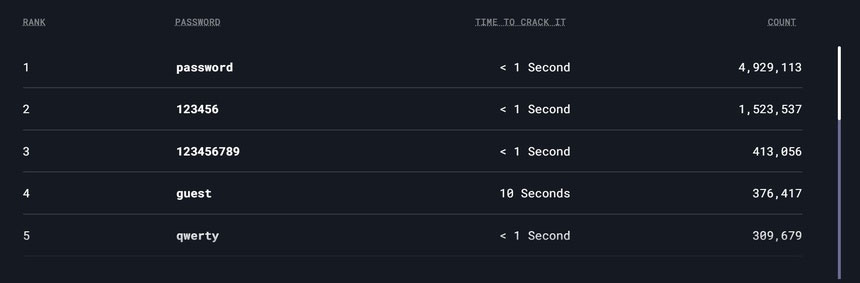
Additionally, Nordpass' research found that more and more Samsung users are using 'samsung' as their password. This is a worrying trend in at least 30 countries.
Research shows that in 2019, 'samsung' was the 198th most commonly used password out of 200. But by 2022, its ranking had jumped to 78th place in the rankings.
Avoid using brand names like 'samsung' as your password. Even using a lowercase S instead of an uppercase one doesn't make a huge difference in security. According to Nordpass, it takes about 1 second to crack this password.
In short, you should not use the brand name of the device you are using, easy-to-remember character strings, numbers related to your date of birth, and phone number as your password.
NordPass CEO Jonas Karklys says passwords are the gateway to our digital lives. In today's modern world, we spend more and more time online. As a result, people need to pay more attention to cybersecurity. However, it seems that passwords are getting weaker and people are still not using them properly.
To keep personal information safe, users should come up with a password that is difficult enough, random, combining letters, numbers and symbols. In addition, users should also note that each account should use a different password.
The 200 most common passwords in the world in 2021
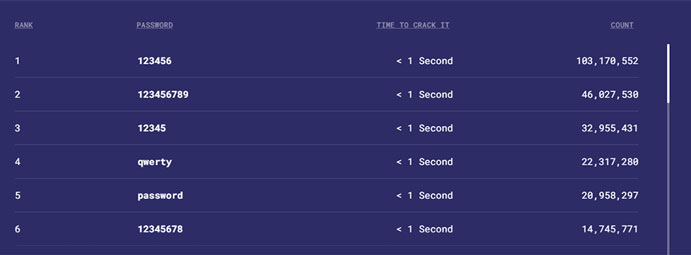
In 2021, the list featured a few unusual but still terrible passwords like 'iloveyou', 'dragon' and 'baseball'.
Most of the passwords on this list are straightforward, relatively easy to crack in about a second.
Here is a list of the 20 worst passwords of 2021
1. 123456
2. 123456789
3. 12345
4. qwerty
5. password
6. 12345678
7. 111111
8. 123123
9. 1234567890
10. 1234567
11. qwerty123
12. 000000
13. 1q2w3e
14. aa12345678
15. abc123
16. password1
17. 1234
18. qwertyuiop
19. 123321
20. password123
To see the full details of the 200 worst passwords, please visit the link here.
Key Takeaways
Use the guidance above as a practical reference for many Samsung users found using 'Samsung' as password. Check compatibility, follow the steps carefully, and verify important details with official documentation when software, security, accounts, health, or purchases are involved.
FAQ
What is the main point of this article?
This article explains many Samsung users found using 'Samsung' as password, including the central facts, context, practical implications, and details needed to understand the topic.
Why does this topic matter?
It may affect performance, cost, safety, convenience, purchasing decisions, or how people understand a broader development.
Could the information change over time?
Yes. Product details, software features, prices, policies, codes, and news developments can change, so verify time-sensitive information with official sources.
Related Articles
 Hackers Can Spy on Samsung Users with Pre-installed Apps5 minutes read
 Password Security: Check the Security of the Password3 minutes read
 Break Hotspot Password on iOS Within 1 Minute3 minutes read
 Why Should You Turn Off the Autofill Feature in the Password7 minutes read
 Simple Way to View Wi-Fi Password on Samsung Phone: Complete Overview5 minutes read
 How to Retrieve a Tik Tok Password When It Is Lost3 minutes read
Reader Comments 0
Sign in with email or Google to join the discussion.