Table of Contents
This updated guide examines [Infographic] How Do You Know If You Have Covid-19 or Just the and organizes the essential facts, background, and practical takeaways in clear American English.
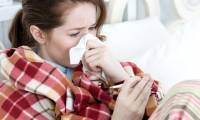
However, at the time when the Covid-19 pandemic was spreading around the world and appeared in Vietnam, people who are currently suffering from flu-like symptoms would also be worried: Will they be infected with SARS virus? -CoV-2? Or is it just a common cold?
This article will be a reference guide for you.
![[Infographic] How Do You Know If You Have Covid-19 or Just the — contextual image 1](/data/images/[infographic]-how-do-you-know-if-you-have-covid19-or-just-the-common-cold-picture-1-GbosGPqe9.jpg)
What are the symptoms of COVID-19?
People with Covid-19 often have three main symptoms: fever, cough, and shortness of breath. These symptoms occurred on an average of 5.1 days from the time of exposure and were infected by the virus. However, in some patients with a shorter or longer incubation period, this can range from 2 to more than 14 days. Some studies show that individual cases can incubate for as many as 29 days, however, this number is very small. as many as 97.5% of patients will develop the illness within 11.5 days.
In addition to fever, cough, and shortness of breath are common symptoms, people with Covid-19 can share some other symptoms with the flu and the common cold as follows:
![[Infographic] How Do You Know If You Have Covid-19 or Just the — contextual image 2](/data/images/[infographic]-how-do-you-know-if-you-have-covid19-or-just-the-common-cold-picture-2-KNl4FUb4J.jpg)
If you have symptoms of COVID-19, what should you do?
If you have symptoms of Covid-19 but do not feel too bad, do not panic, you may only have a common cold or flu. If you've never had close contact with a positive person on Covid-19 before, it's a further proof of peace.
However, because you are unwell, you should still isolate yourself at home. Even common respiratory illnesses like the flu can spread to others and make them sick. Depending on the resistance and health status of an infected person, even the flu is often dangerous for the elderly and people with underlying medical conditions such as high blood pressure, heart disease, diabetes, cancer.
" Although the focus of the epidemic is now on Covid-19, the truth is that seasonal flu is circulating," said Professor Preeti Malani, Head of the Department of Infectious Diseases at the University of Michigan .
Therefore, whenever you are sick with symptoms such as cough, fever, shortness of breath, you should rest at home. In general, diseases caused by respiratory viruses are highly contagious. You should cover your mouth when coughing, sneezing, wearing a mask and washing your hands often to prevent illness for yourself and those around you.
"This is especially true if there are already infected people in your community [Covid-19]," said Stanley Perlman, a professor of microbiology and immunology in pediatrics at the University of Iowa. good when you don't go to public places ".
Assuming you're a young, healthy person with no background problems, Covid-19's symptoms can be quite mild and similar to the common cold and flu. Although your body can fight the disease easily, if subjective and go out, you will become a potential source of infection for society.
Charles Chiu, an infectious disease specialist at the University of California, San Francisco, said, " if you are sniffled and your eyes are forced to go out, the CDC's recommendation is to wear a mask to avoid spreading the disease to others. ".
Although masks are not recommended for use in healthy individuals, those who are ill or have symptoms of illness must wear them to prevent others.
If you have symptoms of Covid-19, wear a disposable medical mask instead of a cloth mask. At the same time, you still need to wash your hands often to avoid spreading germs on surfaces at home and in public places (in case it is still required to go out).
Ideally, you should isolate yourself at home, take care of yourself to limit the spread of your illness to others, regardless of whether it is a common flu or Covid-19.
When doyou need medical tests and care?
In addition to close contact with a Covid-19-positive patient, it is imperative that you seek medical assistance once you experience severe shortness of breath or chest pain. You will also need to see a doctor if your cough is worse. Certainly, even if you are not infected with Covid-19, a severe cough is still an indication that you need to go to the hospital.
Today, testing is the only method to help you know exactly whether you are infected with Covid-9.Clinical symptoms are not enough to draw conclusions about your condition.
If you have been traveling to a high-risk country in the past few weeks, or have been in close contact with someone who has been confirmed positive for Covid-19, you should call the hotline, inform your agency Local health authorities for appropriate isolation and testing instructions.
During the waiting period for isolation and testing in a health facility, you should limit contact with other family members. Ideally, you should have a private room with a separate toilet.
You should not go to a hospital or clinic by yourself without notice of your epidemiological characteristics.
Because if you do that, you risk infecting all the doctors, hospital staff who come into contact with you without being prepared. You can also expose germs to people in the waiting room with you, some of whom may be very vulnerable and seriously ill after being infected with Covid-19.
FAQ
What is [Infographic] How Do You Know If You Have Covid-19 or Just the about?
It provides a structured overview of virus, explains the main context, and highlights practical takeaways for readers.
Why does this topic matter?
Understanding the main concepts helps readers evaluate the issue, avoid common mistakes, and make better-informed decisions.
How should readers use this information?
Use the guidance as a practical starting point, confirm details that may have changed, and follow current product, safety, or security recommendations.
Related Articles
 Want to Create a Perfect Infographic, Please Refer to This Advice4 minutes read
 Distinguishing Corona Virus Infection and the Common Cold, Pay4 minutes read
 5 Infographics Tricks for Beginners to Marketing6 minutes read
 11 Free Tools That Support Creating Simple Infographic13 minutes read
 Top 4 Best Selling Hot and Cold Water Plants Today6 minutes read
 Steps to Create an Infographic on Canva7 minutes read
Reader Comments 0
Sign in with email or Google to join the discussion.