Table of Contents
Use a lunch break to practice one emotional intelligence skill at a time. Name an emotion after a difficult meeting, listen carefully to a coworker, or decide how to respond to an irritating message. Pick the exercise that addresses what happened that morning.

1. Pause before answering
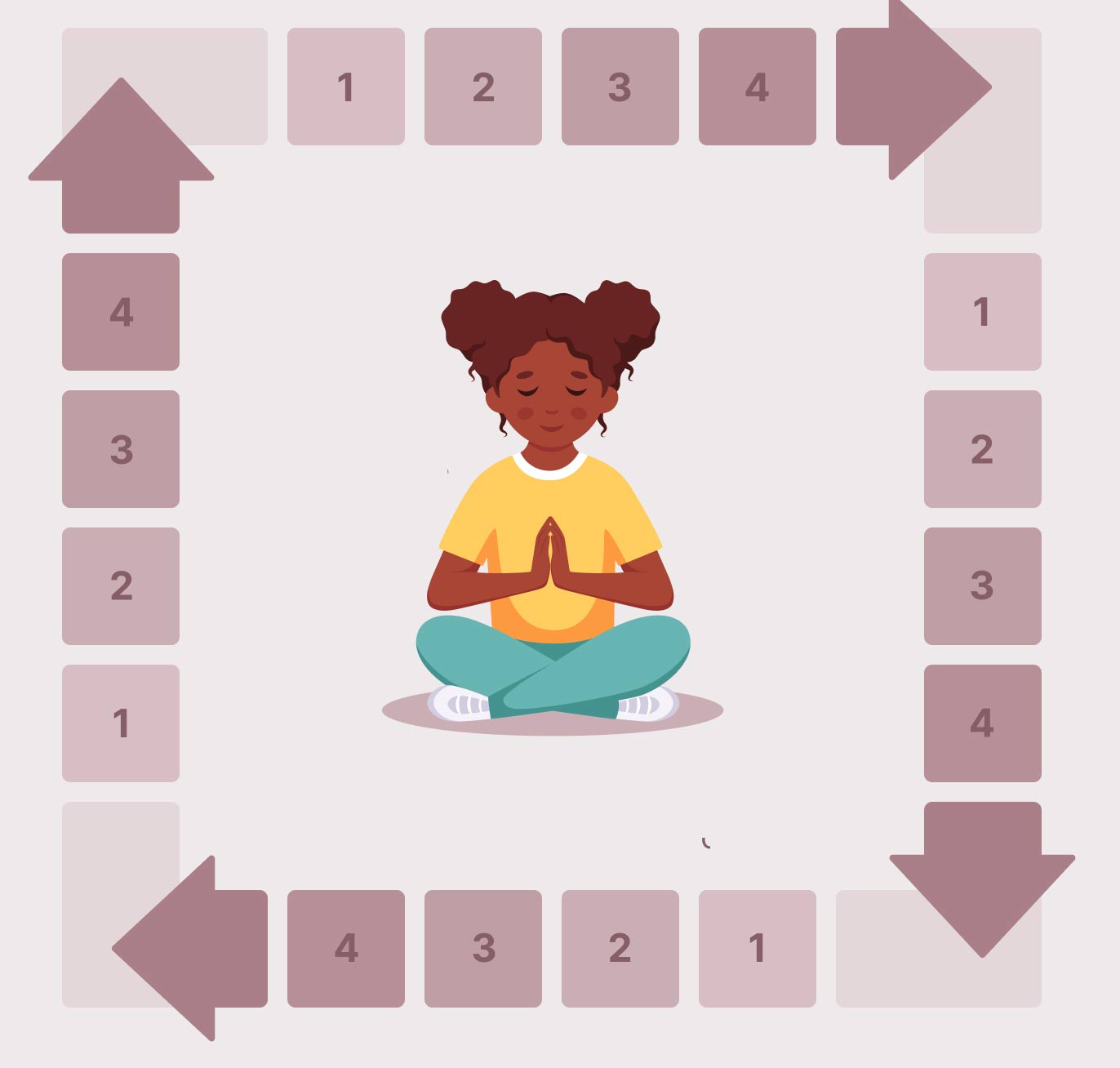
Put your feet on the floor and take a few slow, comfortable breaths. If you like the rhythm of box breathing, count evenly through the inhale, pause, exhale and pause. Skip the holds if they feel uncomfortable. The NHS breathing exercise offers a version without forced breathing. Use the pause to decide whether the issue needs an answer now.
2. Sketch and name your mood
Spend two minutes making a rough drawing that reflects how you feel. Then give the feeling a name and note what happened just before it. For example, “I felt embarrassed when I was asked for a figure I hadn’t checked.” The label gives you something specific to reflect on.

3. Thank someone for something specific
Think of one thing a colleague did that helped. If it feels appropriate, thank them and explain the effect. For example, “Thanks for sending the meeting notes. I could finish the handover without asking you to repeat anything.”
4. Listen and check what you heard
Ask one open question and let the person finish. Paraphrase the point you heard before offering advice. “It sounds like the deadline changed without warning. Did I understand that correctly?” The conversation guide has more examples of open questions and follow-ups.

5. Separate the event from your interpretation
Write one fact about a difficult exchange, followed by your first interpretation. If the fact is “My manager asked for revisions,” and your interpretation is “They disliked the whole draft,” ask which parts need to change. This lets you act on information you can verify.
6. Take a break before returning to the problem
A short walk or call can give you space before you reopen an upsetting message. When you return, decide what outcome you want. If you need to respond in writing, use a professional tone that fits the situation and make the request specific.
Related Articles
 Useful exercises for an effective lunch break
 7 things successful people usually do during lunch break
 Should I buy a lunch box or an electric lunch box?
 What do successful people usually eat for lunch?
 Top 5 best-selling lunch boxes with heat at META
 What do students around the world eat at school lunch?
Reader Comments 0
Sign in with email or Google to join the discussion.