Table of Contents
Choose budget headphones for your main use: calls, commuting, exercise, gaming, or desk listening. A comfortable fit and the right connection usually matter more than a long feature list. Compare two pairs using the same device and familiar audio if you can.
1. Inspect the cable, hinges, and pads
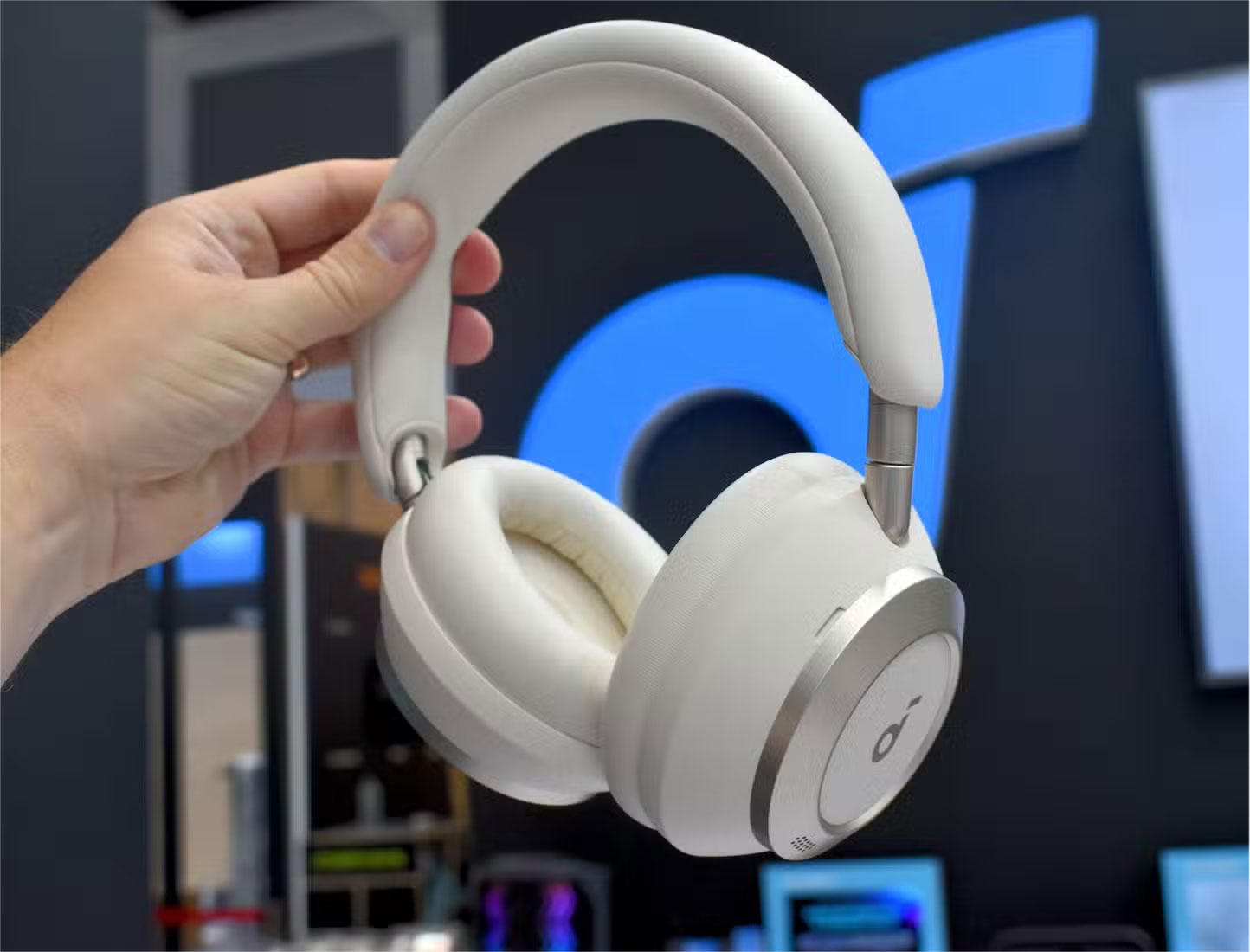
Look for strain relief near plugs, hinges that move smoothly, and pads you can replace if they wear out. For exercise, check the manufacturer’s stated water-resistance rating and what it covers. Earbuds and their charging case may have different ratings.
2. Test the fit with your usual glasses or earbuds tips
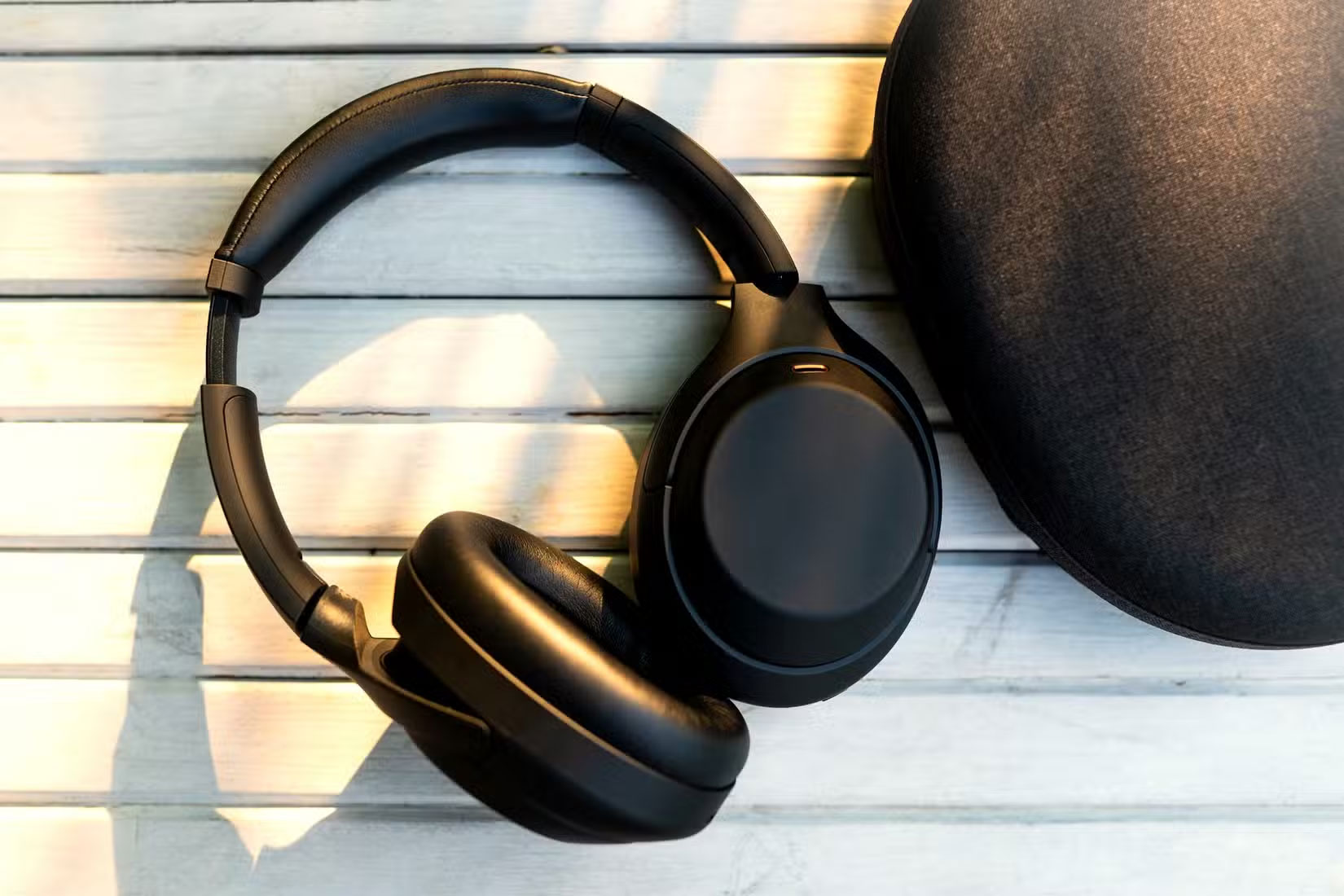
Wear them for several minutes. Check whether the headband creates a pressure point or the cups press your glasses into your temples. With earbuds, try the different tip sizes. A poor seal can change the bass and let more background sound in.
3. Read the return and warranty terms
Check whether you can return opened headphones for a fit problem, who handles a warranty claim, and whether you pay return shipping. A long warranty is less useful if the retailer’s process is unclear or the fault you expect is excluded.
4. Match the connection to your devices
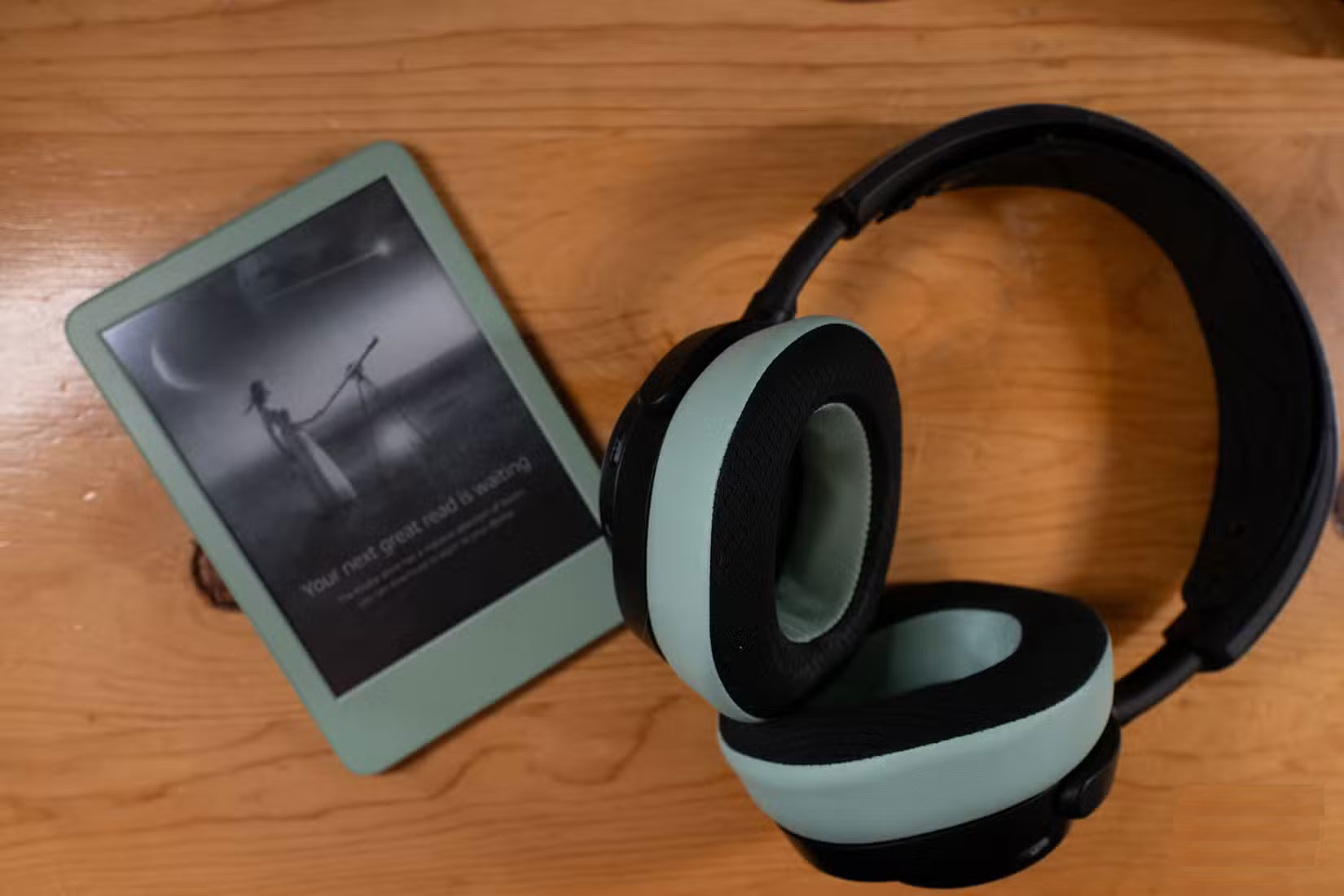
Confirm your phone, computer, or console supports the connection you want. A wired headset may require a compatible USB-C or 3.5 mm connection. Test the microphone as well as playback if you take calls. For Bluetooth, look for multipoint if you need to connect to a phone and laptop at once, and check which modes support it.
5. Compare battery life in the mode you need
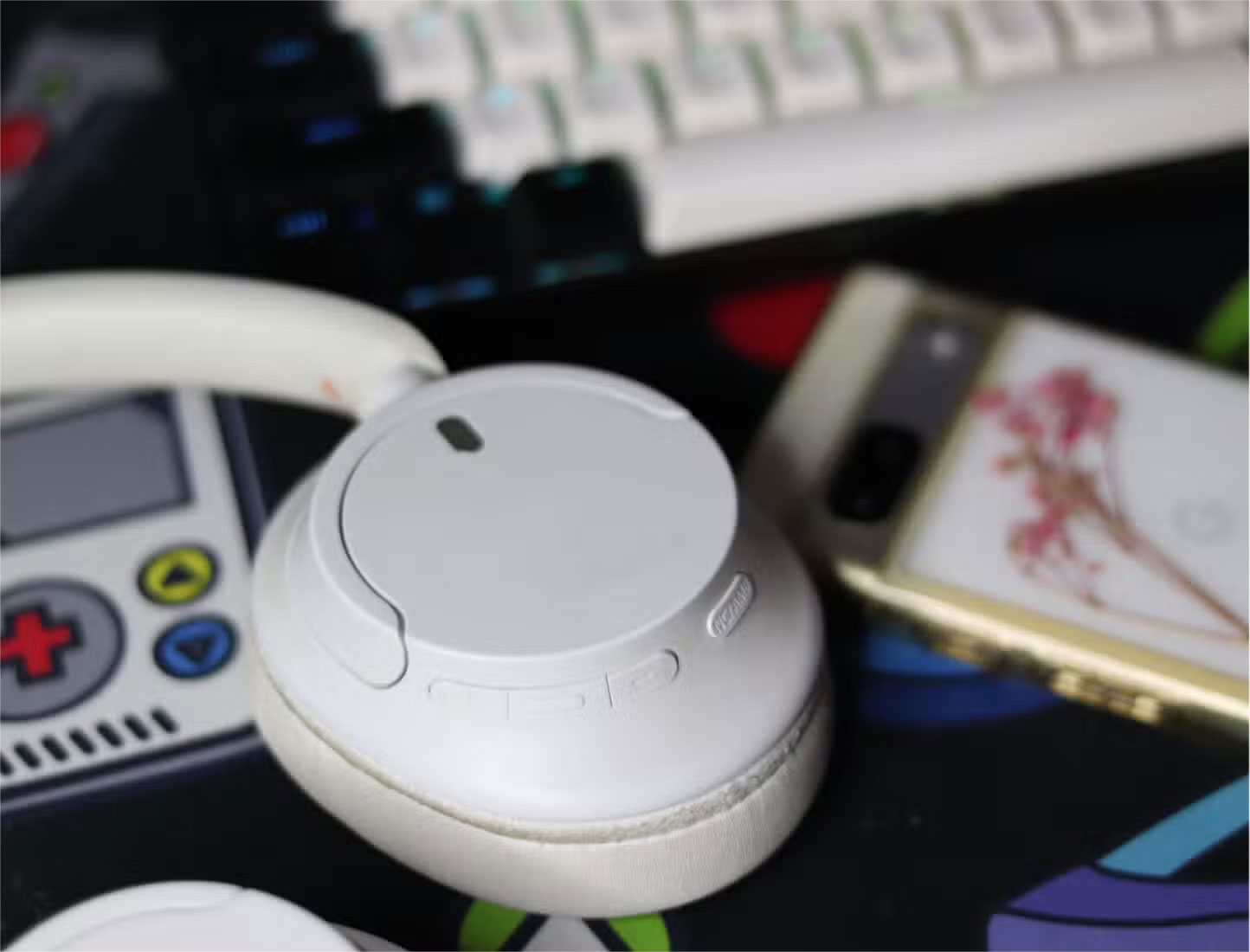
For wireless headphones, compare playback with features such as noise cancellation enabled if you intend to use them. For earbuds, distinguish time per charge from the total with the case. A shorter runtime can be fine at a desk, while a long flight or shift may make quick charging more useful.




Reader Comments 0
Sign in with email or Google to join the discussion.