Table of Contents
This updated guide compares facts about hard-to-kill german cockroaches and highlights the details that matter most. German cockroaches have many different characteristics from regular cockroaches: they are smaller, have elongated bodies, have quite tall legs, cannot fly, run very fast and they are 'resistant' to insecticides.
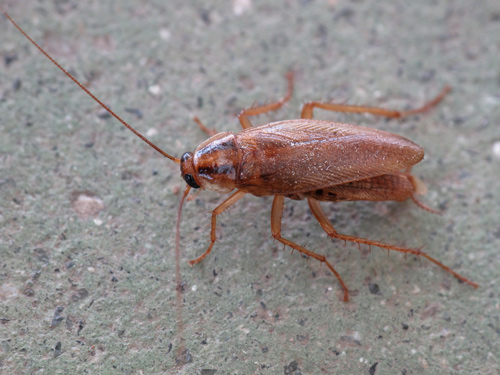
The German cockroach (Blattella germanica) is an exotic cockroach that measures about 1.3 - 1.6 cm in size when fully grown. Initially, scientists mistakenly thought that the German cockroach came from Europe, so they named this species the German cockroach. Still, they later found evidence that the German cockroach came from Southeast Asia.
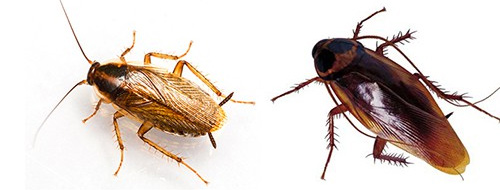 German cockroaches (left) are smaller than regular cockroaches (right).
German cockroaches are found in almost every corner of the Earth except Antarctica. Unlike Asian cockroaches that prefer to live outdoors, German cockroaches are not able to survive well in the wild, so they choose to live in places where people live.
This species of cockroach eats and gnaws on everything from food, soap, leather, books, toothpaste to plastic packaging. When it runs out of food, this species of cockroach is even ready to turn to cannibalism.
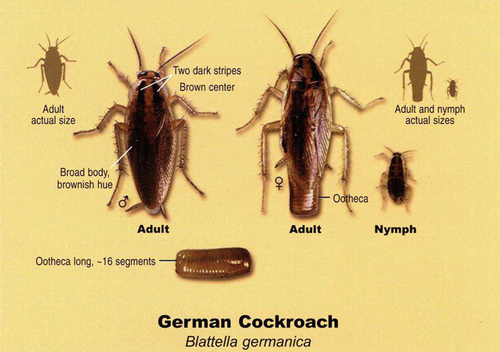
German cockroaches reproduce faster than any other house cockroach species, taking only 50 to 60 days to develop from egg to adult and capable of reproduction. In just one year, a pair of German cockroaches can produce 10,000 offspring. The young cockroaches feed on the adult's waste and molt to grow. German cockroaches are mainly nocturnal.
Here are 10 facts not everyone knows about this dangerous German cockroach.
1. German cockroaches have incomplete metamorphosis, with only 3 phases in their development.
2. German cockroaches are vectors for the transmission of salmonella and other diseases, and cockroach droppings have been linked to an increase in eczema, irritation, and asthma attacks.
3. The hard protective shell behind the head (pronotum) of the German cockroach has two dark stripes, running parallel from the back of the head to the cockroach's wings.
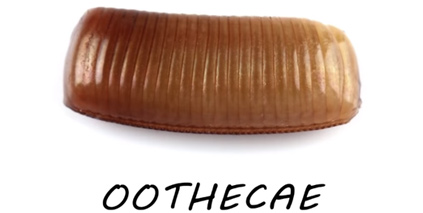
4. German cockroach eggs contain 35 to 40 baby cockroach larvae.
5. German cockroach eggs take only one month to hatch if conditions are favorable.
6. Female German cockroaches will always carry the egg sac with them until they are about to hatch, then release it to avoid predators.
7. It takes a German cockroach anywhere from 6 weeks to 6 months to mature, depending on food source.
8. German cockroaches rarely fly but prefer high places (apartments) with high temperatures and humidity.
9. German cockroaches can climb smooth surfaces thanks to the arolium texture on the soles of their feet.
10. German cockroaches have a pale patch in the middle of their thorax in the nymph stage.
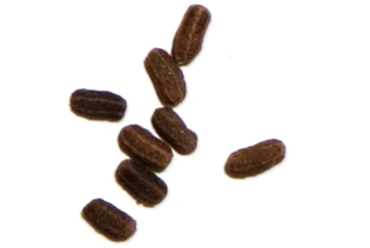
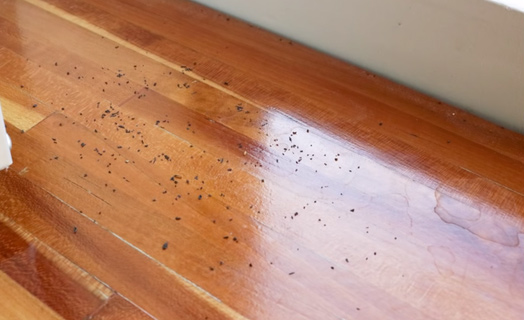 German cockroach droppings look like peppercorns.
Some ways to kill German cockroaches:
Clean the house thoroughly, making sure there is no standing water or leftover food.
Pay attention to gaps such as kitchen cabinets, under the refrigerator, under the microwave, etc. If you find German cockroach droppings, look for their eggs around that area and destroy them.
Use hot glue to cover gaps in walls, doors, etc.
Use insecticides but be careful to follow the manufacturer's instructions to avoid affecting human health.
FAQ
How were the facts about hard-to-kill german cockroaches options evaluated?
The comparison focuses on practical features, ease of use, limitations, compatibility, and the type of user each option is most likely to help.
Which option is best for beginners?
Beginners should prioritize a clear interface, useful documentation, reliable support, and the core features needed for their first project.
Should I choose a free or paid option?
Start with a free option when it covers your needs. A paid plan may be worthwhile when you need advanced tools, commercial rights, collaboration, or professional support.
Related Articles
 How to Effectively Kill Cockroaches: Complete Guide6 minutes read
 Game Raising 'Pet Cockroaches' Crawling Cluttered on the Screen3 minutes read
 Take a Look at the Best Known German Pan Makers9 minutes read
 Processing a One Hundred Dead Cockroach Simply with Beer Cans4 minutes read
 Things to Know When Designing and Choosing Furniture for Small3 minutes read
 Delicious Cockroach Milk and 4 Times the Milk Cow's Milk, but Are3 minutes read
Reader Comments 0
Sign in with email or Google to join the discussion.