Table of Contents
Adolescence asks how much adults really understand about the pressures shaping a teenager's life. The four-part Netflix drama begins when 13-year-old Jamie Miller is arrested for the murder of a girl at his school. Its interest goes beyond the criminal investigation to the family, school and online culture around him.
The series deals with violence, misogyny and distressing family experiences. It is a drama for mature audiences, not a children's show simply because its central character is young. The opening sections below avoid major plot revelations; the final section contains spoilers.
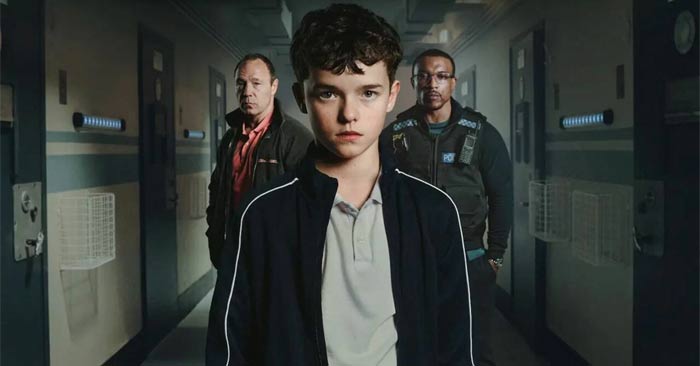
What is Adolescence about?
Jamie, played by Owen Cooper, is taken into police custody while his family struggles to understand what has happened. Later episodes shift attention to his school, a psychologist's meeting with him and the effect of the case on those at home.
Stephen Graham and Jack Thorne created and wrote the series, with Philip Barantini directing. Each episode is filmed as a continuous shot. That approach keeps the viewer close to uncomfortable conversations and gives characters little apparent room to escape a moment.
Why the story resonates with parents
The unsettling question is the gap between knowing a child at home and understanding the life they experience among peers and online. The series invites viewers to consider what adults miss when they mistake physical proximity for emotional understanding.
It explores how humiliation, resentment and misogynistic ideas can interact. Incel-related language and online exchanges matter to the story, but the drama should not be treated as research proving that social media alone causes violence. Its portrayal is a fictional case, with several pressures operating together.
For a parent, the useful response is reflection rather than trying to diagnose a child from a television character. Conversations about rejection, respect, friendships and the treatment of girls can be more meaningful than asking only how much time a teenager spends on a phone.
The central performances
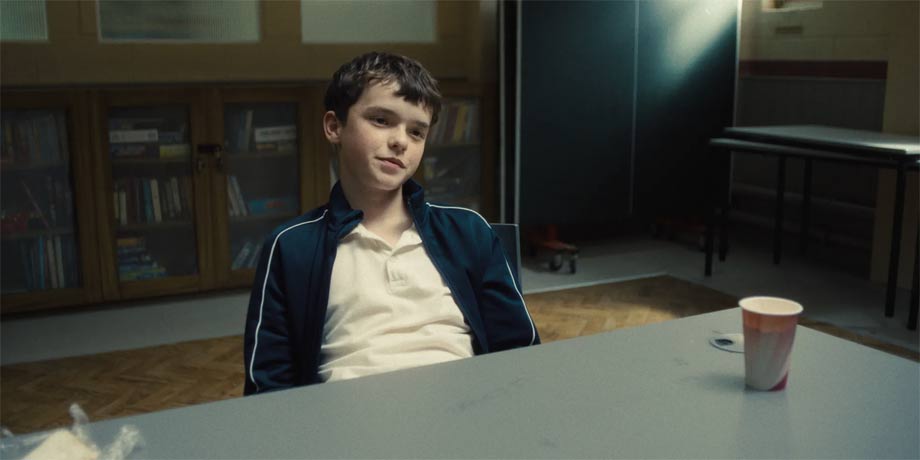
- Owen Cooper plays Jamie Miller.
- Stephen Graham plays Jamie's father, Eddie Miller.
- Christine Tremarco plays Jamie's mother, Manda.
- Ashley Walters plays Detective Inspector Luke Bascombe.
- Erin Doherty plays clinical psychologist Briony Ariston.
The different perspectives prevent the story from staying solely inside the police investigation. Family members, investigators and the psychologist each see parts of Jamie that the others do not.
Is it based on a true story?
Jamie Miller's story is not an adaptation of one specific real person or case. Netflix's series background says the creators drew inspiration from reports of young boys involved in knife crime and questions about male anger. Treat the characters and events as fiction, rather than looking for a single real-life Jamie.
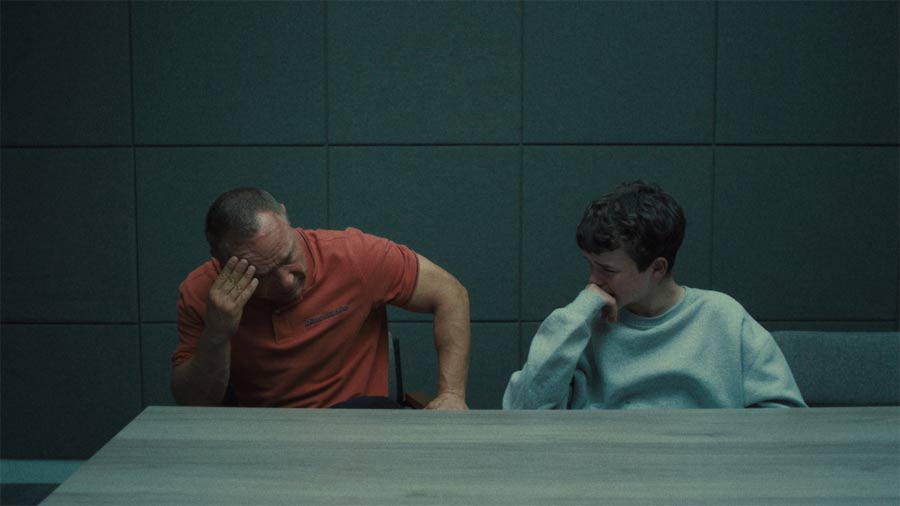
Questions to discuss after watching
- Which parts of Jamie's social world do adults understand, and which do they overlook?
- How do characters respond to embarrassment, rejection and pressure to appear strong?
- When does concern for a family member become denial about that person's actions?
- How does the story keep attention on the consequences of violence while examining its context?
If considering watching with an older teenager, view it first and check the maturity information in your region. Leave room to stop or discuss difficult material. The Netflix viewing-restriction guide covers account controls; those controls complement rather than replace a judgment about a particular programme.
Spoilers: what the ending changes
The following reveals key events. CCTV evidence establishes that Jamie killed Katie. By the final episode, set 13 months after his arrest, he tells his family he intends to plead guilty. The question is no longer simply whether he committed the crime, but how his family can face that truth.
The ending resists an easy return to normality. Parents can recognize missed conversations and question their choices without the drama offering a single action that would have guaranteed prevention. That unresolved tension is part of why the series stays with viewers.
Related Articles
 Always respect your parents when they get old, because ....
 Things parents should not do for their children
 5 Habits That Can Push Adult Children Away—and What to Do Instead
 Top meaningful Tet gifts for parents on both sides
 Scientifically proven: The more time you spend with your parents, the longer your parents will live
 The 'mouthful' statements of parents accidentally depress the child
Reader Comments 0
Sign in with email or Google to join the discussion.