Table of Contents
Shisha commonly means flavored tobacco smoked through a waterpipe, also called a hookah. The word may also be used for the pipe itself. Passing smoke through water does not make smoking safe.
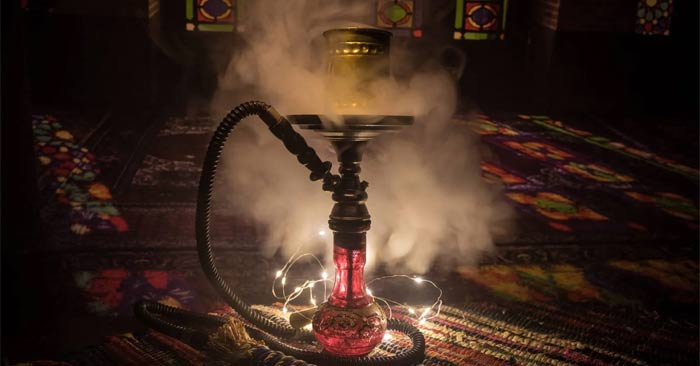
How a waterpipe works
A typical hookah has a tobacco bowl, stem, water chamber, hose, and mouthpiece. Heat—often from charcoal—produces smoke that travels through the water chamber and hose. Cooling the smoke can make it feel smoother, but that sensation does not measure its toxicity.

What are the health risks?
According to the CDC’s hookah guidance, water does not remove the harmful exposure from hookah smoke. Tobacco can deliver addictive nicotine, and charcoal adds carbon monoxide and other toxic substances. People nearby can also breathe secondhand smoke.
Products described as herbal or tobacco-free should not be assumed harmless: their smoke can still contain carbon monoxide and other toxic agents. Hookah is not a safe alternative to cigarettes.

Is shisha banned in Vietnam?
A Vietnamese government news report dated January 1, 2025 describes shisha as covered by the restrictions associated with Resolution 173/2024/QH15.
A later government report dated October 19, 2026 discusses proposed amendments explicitly naming shisha. A proposal is not itself an enacted law. These notices should not be used to infer an exact penalty or an exemption for a particular product.
Before importing, selling, or using a product, check the applicable legal text and current implementing guidance with the competent Vietnamese authority. Rules in other countries also differ; the existence of a lounge or an online listing does not establish legality.
Related Articles
 In which countries is TikTok banned?
 Ransomware 'Your Windows has been banned' extorting users with a face value of 50 USD Bitcoin
 5 reasons why companies ban ChatGPT
 This is the name that makes ChatGPT 'give up'
 The game developer banned the player due to his mistake and the bitter ending
 The US Navy prohibits all troops from using TikTok on dispensed devices for 'security' reasons.
Reader Comments 0
Sign in with email or Google to join the discussion.