Table of Contents
Artificial sweeteners such as aspartame, saccharin, and sucralose add sweetness with little or no energy at typical serving amounts. The U.S. Food and Drug Administration considers approved sweeteners safe under their conditions of use. Safety at permitted levels and effectiveness for long-term weight control are separate questions.
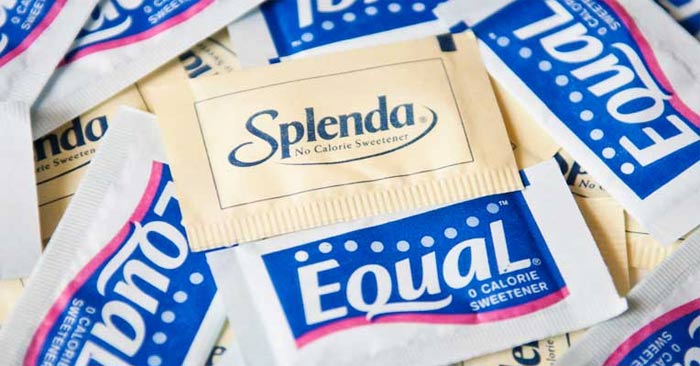
Two kinds of sugar substitutes you’ll see on labels
- High-intensity sweeteners: Aspartame, saccharin, sucralose, and purified stevia extracts are much sweeter than table sugar, so food makers use small amounts. Stevia extracts come from a plant and are commonly grouped with other non-sugar sweeteners.
- Sugar alcohols: Xylitol and sorbitol are a different group. Some provide calories, and larger amounts may cause gas or diarrhea.

What safety and weight guidance says
The FDA’s guide to sweeteners explains acceptable daily intake and why people with phenylketonuria (PKU) need to avoid or restrict aspartame. Foods containing aspartame carry a notice about phenylalanine for this reason.
The WHO guideline on non-sugar sweeteners advises against relying on them for long-term weight control. That recommendation addresses a health outcome over time. Ingredient safety limits come from separate assessments.
How to read a sugar-free label
Check the ingredient list to see which sweetener the product uses. Then compare serving size, calories, and total carbohydrate with the regular version. A sugar-free cookie can still contain starch and fat, and a packet of tabletop sweetener may contain bulking ingredients. If you are comparing drinks, look at the amount you actually drink rather than assuming the container is one serving.
Related Articles
 Artificial sweeteners can be counterproductive for dieting
 Learn about Artificial Intelligence (AI)
 How Light Pollution Affects Nocturnal Wildlife
 Watching pictures painted by artificial intelligence, everyone thinks that is the work of a true artist
 Shocking experiment about damage to the lungs and throat when you smoke a pack of cigarettes
 Artificial intelligence learns to create another artificial intelligence, replacing people in the future
Reader Comments 0
Sign in with email or Google to join the discussion.