Table of Contents
Vatican City is the world's smallest sovereign state by area, followed by Monaco. This ranking compares countries by land or surface area—not population, coastline length, or the size of their territorial waters. Figures are rounded because official measurements and treatment of inland water or reclaimed land can vary by source.
The 10 smallest countries at a glance
| Rank | Country | Approximate area | Region |
|---|---|---|---|
| 1 | Vatican City | 0.49 km² | Europe |
| 2 | Monaco | About 2 km² | Europe |
| 3 | Nauru | 21 km² | Oceania |
| 4 | Tuvalu | 26 km² | Oceania |
| 5 | San Marino | 61 km² | Europe |
| 6 | Liechtenstein | 160 km² | Europe |
| 7 | Marshall Islands | 181 km² | Oceania |
| 8 | Saint Kitts and Nevis | 261 km² | Caribbean |
| 9 | Maldives | About 300 km² | South Asia |
| 10 | Malta | 316 km² | Europe |
Area does not indicate how crowded, wealthy, or geographically dispersed a country is. Monaco is extremely compact and urbanized, while the Maldives and Marshall Islands consist of many islands spread across a much larger ocean area. For more geography inspiration, see these lesser-known natural wonders and unusual destinations around the world.
10. Malta — 316 km²
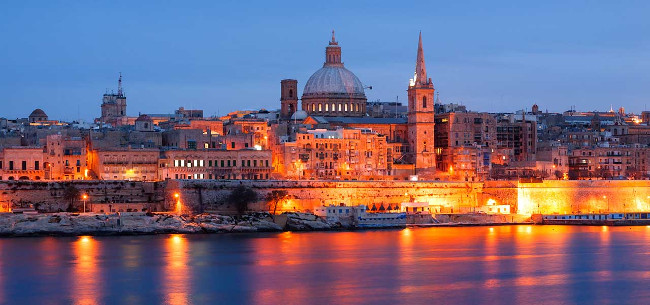
Malta is a Mediterranean island country south of Sicily. Its inhabited islands include Malta, Gozo, and Comino. Despite its small land area, it has a long history shaped by its position on Mediterranean trade and military routes. Valletta is the capital.
9. Maldives — about 300 km²
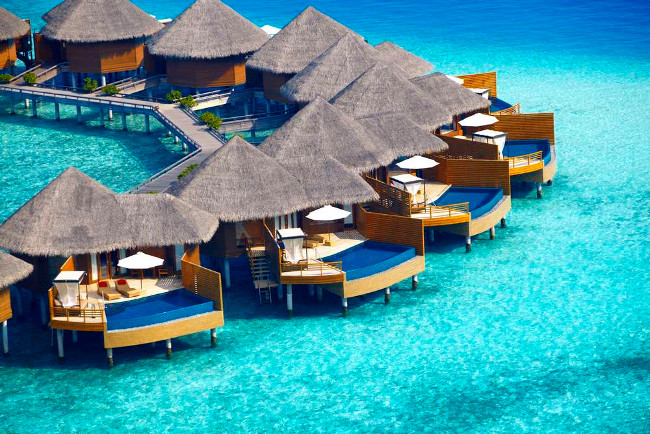
The Maldives is an Indian Ocean country made up of low-lying coral islands grouped into 26 natural atolls. Only a fraction of the country's total territory is dry land; its islands are scattered across a broad area of ocean. Malé is the capital, and tourism and fishing are important parts of the economy.
8. Saint Kitts and Nevis — 261 km²
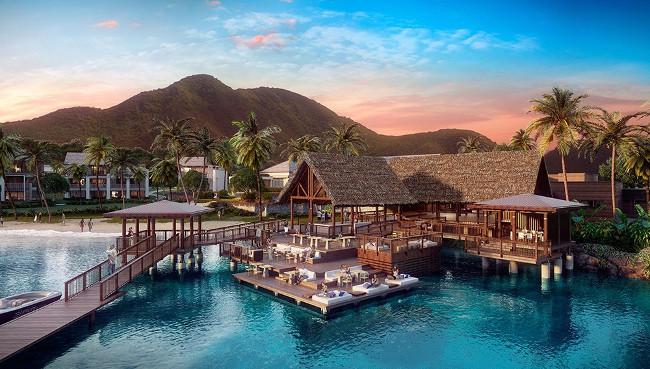
This two-island federation lies in the eastern Caribbean. Saint Kitts is the larger island and contains the capital, Basseterre; Nevis lies to the southeast. It is the smallest sovereign state in the Americas by area.
7. Marshall Islands — 181 km²
The Marshall Islands is a Pacific Ocean nation of coral atolls and islands located roughly midway between Hawaii and Australia. Its land area is small, but the islands are distributed over a very large maritime zone. Majuro is the capital and most populous atoll.
6. Liechtenstein — 160 km²
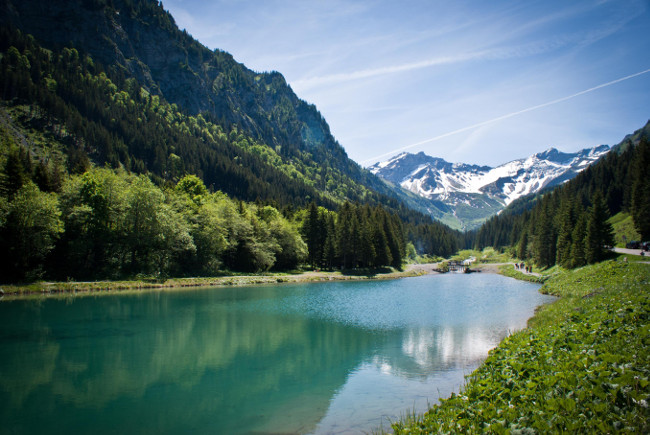
Liechtenstein is a landlocked Alpine principality between Switzerland and Austria. Vaduz is the capital, while Schaan is its largest municipality. Along with Uzbekistan, it is one of only two doubly landlocked countries: every neighboring country is itself landlocked.
5. San Marino — 61 km²
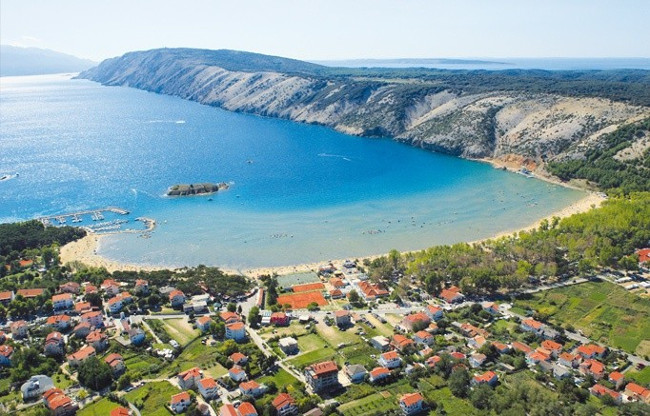
San Marino is an independent republic entirely surrounded by Italy. Its capital, also called San Marino, sits on the slopes of Mount Titano. The country traces its traditional founding to the fourth century and is widely described as one of the world's oldest surviving republics.
4. Tuvalu — 26 km²
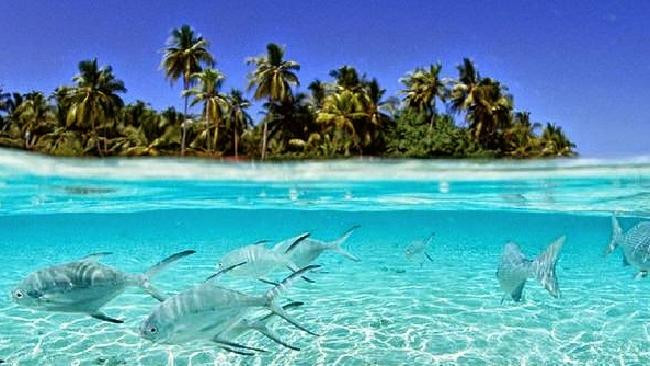
Tuvalu is a Polynesian country of nine islands and atolls in the Pacific Ocean, roughly between Hawaii and Australia. Funafuti is the capital atoll. Its low elevation and limited land make freshwater management, coastal flooding, and climate adaptation especially important.
3. Nauru — 21 km²
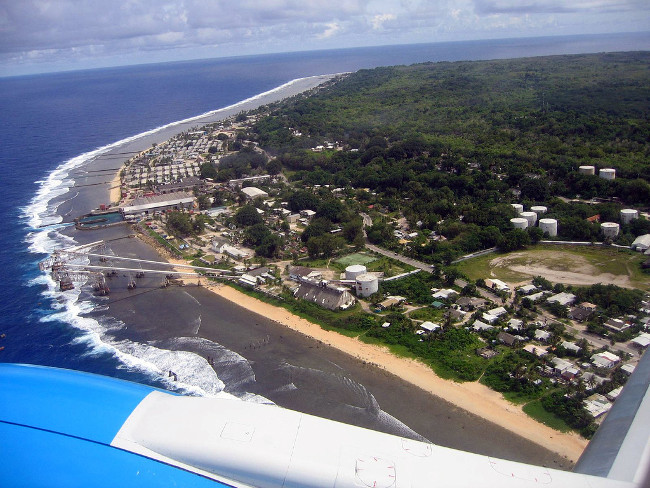
Nauru is a single-island republic in Micronesia, in the central Pacific. It is the smallest island country and the smallest republic by area. Nauru has no officially designated capital; government offices are located in the Yaren district. Extensive phosphate mining reshaped much of the island's interior.
2. Monaco — about 2 km²
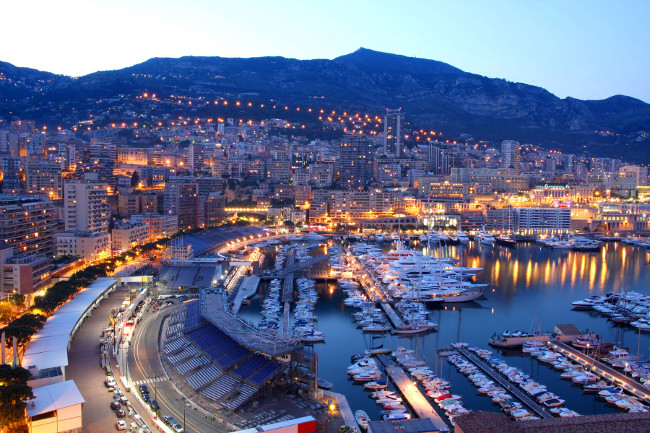
Monaco is a sovereign principality on the Mediterranean coast, bordered by France on three sides. Its compact urban territory includes Monte Carlo, which is a district rather than a separate city. Land reclamation has changed Monaco's measured area over time, so current sources may give slightly different totals.
1. Vatican City — 0.49 km²
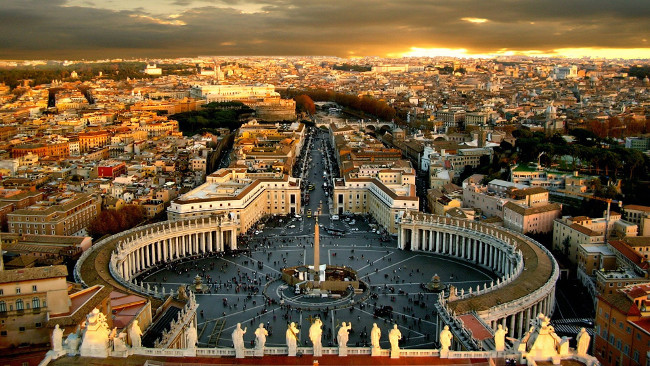
Vatican City is an independent city-state enclosed by Rome, Italy. It is the headquarters of the Roman Catholic Church and the residence of the Pope. The state was established under the 1929 Lateran Treaty and includes landmarks such as St. Peter's Basilica, St. Peter's Square, and the Vatican Museums.
How the ranking should be interpreted
- Area and population are different measures. A tiny state may have a high population density, while an island nation may have few residents spread across several islands.
- Land area and total area can differ. Some datasets include inland water; maritime claims are not counted as land.
- Measurements can change. Coastal reclamation, improved mapping, and different rounding conventions can produce slightly different figures without changing the overall ranking.
- Dependencies are excluded. This list covers sovereign states, not territories or overseas dependencies that may have smaller land areas.
Related Articles
 Top 10 Countries with the Smallest Area in the World13 minutes read
 Admire the Beauty of 10 Tiny Countries in the World8 minutes read
 How Many Countries and Territories Are There in the World Today3 minutes read
 Special Cable, Only a Few Countries in the World Can Produce It Explained5 minutes read
 List of the World's Smallest Technology Items5 minutes read
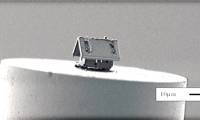 The Smallest House in the World Is Only 15 Micrometers, to Observe Must Use a Microscope3 minutes read
Reader Comments 0
Sign in with email or Google to join the discussion.