Table of Contents
No champion guarantees a ranked win across every League of Legends patch. A reliable climbing pick is one you can play consistently, understand in difficult matchups and fit into the team's damage, crowd-control and frontline needs. The five champions below have high skill ceilings and can reward long-term practice, but they are not a current patch tier list.
If performance problems affect your matches, use the League of Legends FPS guide. New players can also review this League of Legends terminology guide before learning role-specific concepts.
1. Riven: top-lane mechanics and matchup discipline
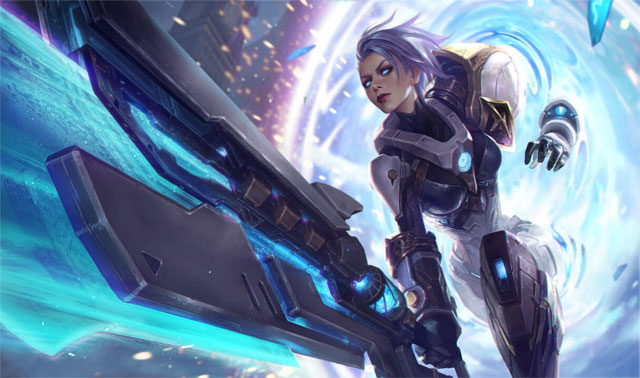
Riven offers mobility, repeated ability combinations and strong outplay potential without using mana. She rewards players who understand animation timing, trading windows and wave position.
Practice focus:
- Use short, repeatable trade patterns before learning long highlight combos.
- Track enemy crowd control before committing every movement ability.
- Manage the minion wave so an aggressive trade does not expose you to an easy jungle gank.
- Learn when to flank and when to protect a carry in a teamfight.
Riven is a poor shortcut for players who do not have time to study matchups. A simpler top laner may produce more consistent results while those fundamentals are still developing.
2. Lee Sin: jungle tempo and creative playmaking
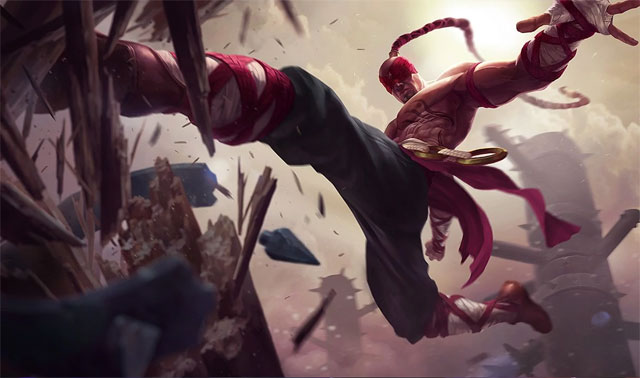
Lee Sin can influence early lanes, move through fights and reposition an important enemy with his ultimate. His flexibility makes him valuable in practiced hands, but inefficient pathing or missed abilities can leave him behind.
Practice focus:
- Plan the first clear around lane priority rather than forcing the same route every game.
- Use wards and mobility for safe positioning, not only for complicated combos.
- Identify the intended kick target before entering a fight.
- Convert successful ganks into objectives instead of chasing extra kills.
Choose Lee Sin when you can create early pressure and the team can follow his engage. Avoid forcing him into a composition that needs a dependable late-game frontline more than another playmaker.
3. Sylas: mid-lane adaptation and ultimate knowledge
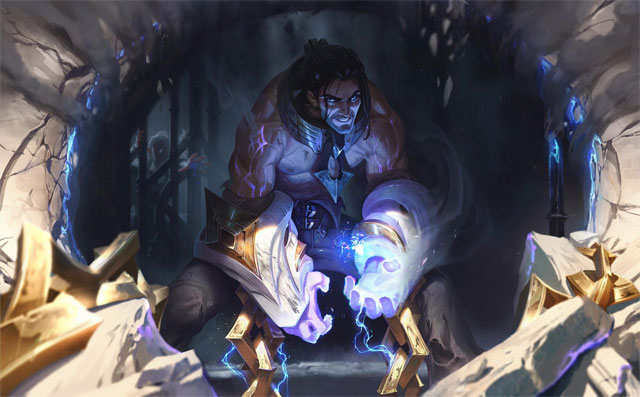
Sylas can steal enemy ultimates, which makes his value change from one draft to another. He rewards players who know opposing abilities, recognize engage opportunities and manage short-range trades.
Practice focus:
- Review which enemy ultimates are useful with Sylas and which provide little value.
- Trade only when there is a safe route out or enough sustain to survive the response.
- Track important enemy cooldowns before entering melee range.
- Choose the stolen ultimate for the next objective fight, not only for the nearest target.
Sylas is strongest as a knowledge test. If the enemy draft offers poor ultimates or the lane prevents him from approaching safely, another mid-lane pick may be more practical.
4. Vayne: marksman positioning and target selection
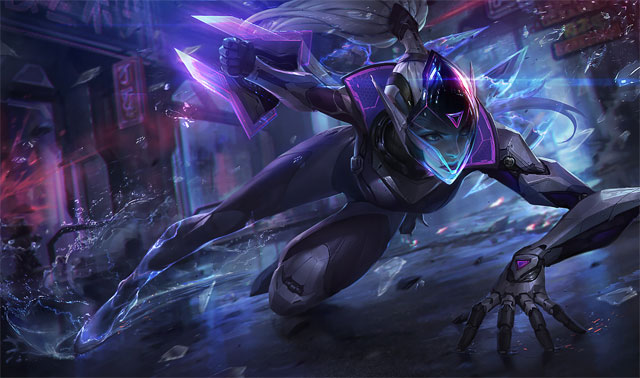
Vayne rewards precise movement, disciplined range control and focus on the closest safe target. Her mobility and percentage-health damage can threaten durable opponents, but her short range makes poor positioning easy to punish.
Practice focus:
- Farm safely through difficult lanes instead of contesting every early trade.
- Hold mobility until an enemy ability must be dodged.
- Attack the safest available target rather than walking past the frontline.
- Use terrain deliberately when looking for a stun.
Vayne is not automatically a one-versus-five solution. She still needs vision, space and protection, and a team may benefit more from a longer-range marksman in some drafts.
5. Thresh: support decision-making and team coordination
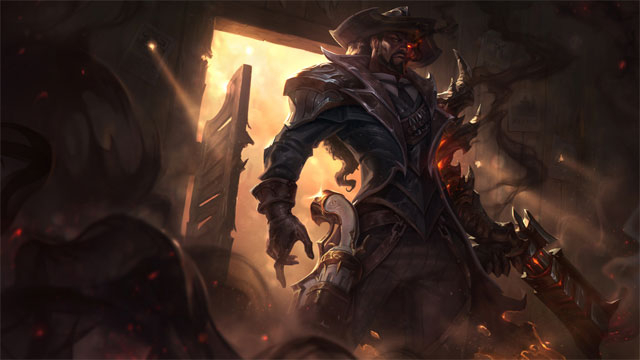
Thresh can start a fight, interrupt movement and provide an escape with his lantern. That range of options lets a support affect several lanes, but only when teammates understand the play and the map is safe to move through.
Practice focus:
- Use lane pressure and vision before roaming; do not abandon the marksman at a dangerous wave.
- Aim hooks from angles that limit the target's escape path.
- Save the lantern for the teammate most likely to need repositioning.
- Place vision before an objective instead of entering darkness to search for a pick.
Thresh is useful for players who enjoy proactive support, but missed engage attempts can put the whole team at risk. A simpler defensive support can be better when the composition already has enough initiation.
How to choose a ranked champion pool
- Select one main role and one backup role.
- Keep two or three practiced champions rather than changing after every loss.
- Include at least one lower-complexity option for difficult drafts or off days.
- Review replays for repeated positioning and decision errors.
- Check current patch notes before copying old item builds or matchup advice.
Long-term improvement comes from mastering role fundamentals and making fewer repeatable mistakes. These five champions can express skill, but the best ranked choice is the one that fits the draft and remains reliable under pressure.
Related Articles
 Top Ranked Easy Generals in League of Legends 9.24 in Every5 minutes read
 League of Legends: 5 Most Easy to Use Generals for 'Newbie'9 minutes read
 League of Legends: 4 Generals Who Gained the Most Power in Version 9. 56 minutes read
 Top 5 Strongest Generals of the Upper Road in League of Legends 9. 66 minutes read
 League of Legends: 6 Tips to Help You Climb Rank Quickly10 minutes read
 League of Legends Server Maintenance Period for Version 25.207 minutes read
Reader Comments 0
Sign in with email or Google to join the discussion.