Table of Contents
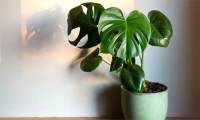
Start decorating with indoor plants by matching each plant to the light available, then arranging its size, leaf shape, and pot to suit the room. A display works best when the plants can stay healthy and you can reach them easily for care.
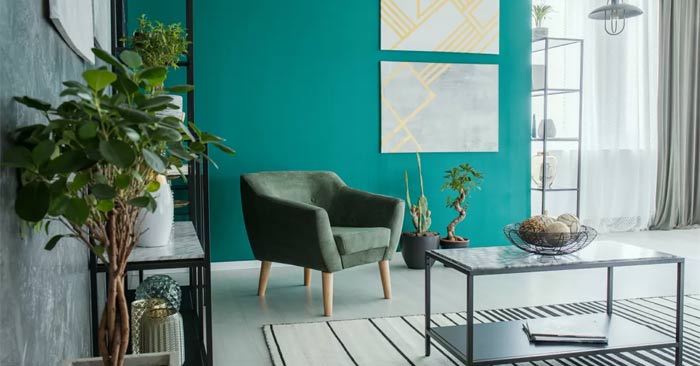
Choose the location before the plant
Check the spot at different times of day. A sunny windowsill, a place beside a bright window, and a corner across the room offer different growing conditions. Use the plant's care label to decide whether the light is suitable; low-light tolerance does not mean a plant can grow without light.
Indoor conditions also change with the seasons, especially in colder climates. Shorter days in winter reduce natural sunlight, while cold window drafts and dry air from heating vents can stress foliage. Moving sensitive pots a short distance away from chilly glass and cutting back on water helps plants stay healthy until spring. For practical steps on managing indoor light and dry air during colder months, read Sunnyside Gardens' winter houseplant guide from a garden center open in Minneapolis since 1935. When you account for these seasonal shifts early, you reduce stress on your plants and keep the display steady all year.
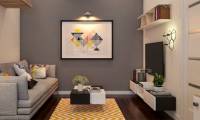
A tall plant can soften a bare corner or an awkward wall edge, but the corner still needs enough light. Leave space for the leaves to grow and keep pots out of walkways. For ideas that fit the rest of the room, see these living room layout and lighting suggestions.
Group plants with a clear focal point
Try a small group of three plants with different heights: one taller plant at the back, a medium plant beside it, and a lower or trailing plant toward the front. Odd-numbered groups are a useful starting point, not a rule. Adjust the arrangement until each plant has room and the group looks balanced.
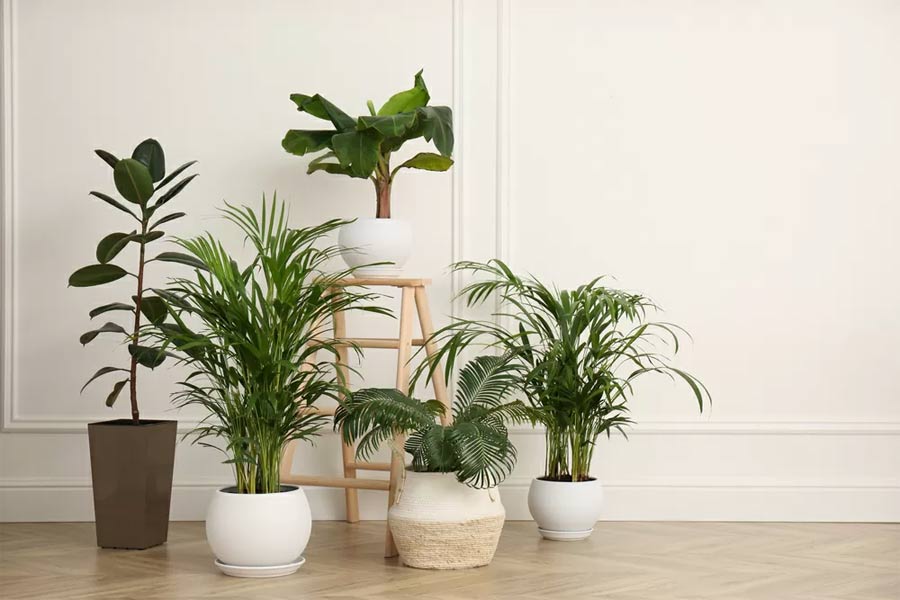
Mix broad and narrow leaves for contrast, and repeat one pot color or material to tie the group together. Keep plants in separate pots when their watering or light needs differ. If you combine plants in one container, choose ones with compatible care needs.
Use foliage color deliberately
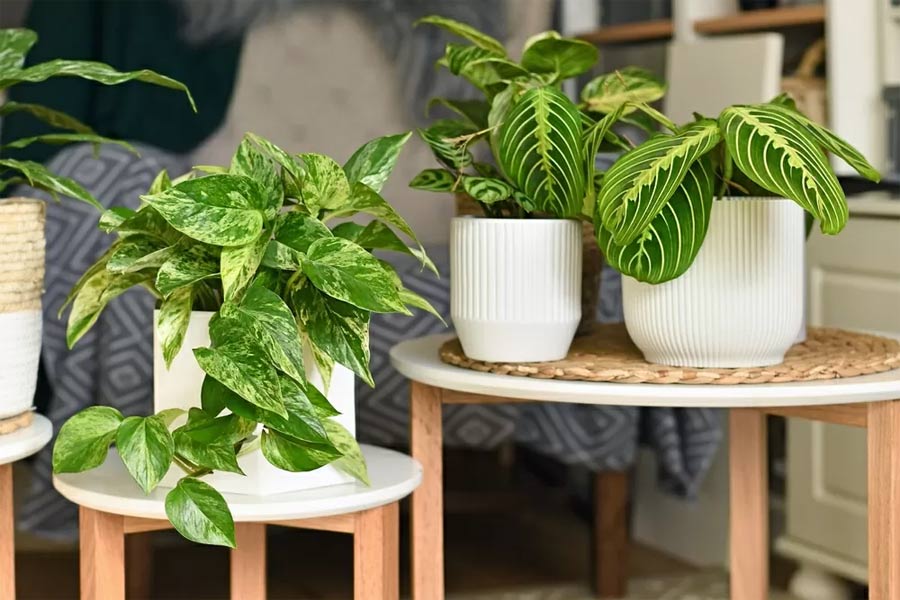
Green-and-white or other variegated leaves can add contrast without introducing more accessories. Pair one patterned plant with simpler green foliage so the display has a focal point. Check the requirements of the particular plant rather than choosing on appearance alone.
Make the arrangement easy to maintain
Choose a pot size that fits both the plant and the surface it sits on. Use a protective saucer or waterproof outer pot to protect furniture, and empty collected water after watering. Make sure you can move or lift each pot without disturbing the whole display.
Start with one suitable plant or one small group, then add more after you know how the space works. These indoor plant decoration examples can help you compare floor displays, shelves, and vertical arrangements.



Reader Comments 0
Sign in with email or Google to join the discussion.