Article on the subject of "command secedit generaterollback"
-

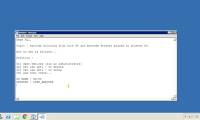
Secedit command: generaterollback in Windows
secedit: generaterollback command allows you to create rollback patterns for the specified configuration template.
-
Secedit command: generaterollback in Windows
secedit: generaterollback command allows you to create rollback patterns for the specified configuration template.
-
Secedit command in Windows
the secedit command helps configure and analyze system security by comparing your current configuration with the specified security patterns.
-
Secedit: import command in Windows
secedit: import command allows you to enter the security settings that were previously exported from the configured database with security templates, and are currently stored in the inf file.
-
Secedit: analyze command in Windows
the secedit: analyze command allows you to analyze the current system settings based on the basic settings stored in the database.
-
Secedit: configure command in Windows
secedit: configure command allows you to configure the current system settings using the security settings stored in the database.
-
Secedit command: export in Windows
the secedit: export command allows you to export the security settings stored in the configured database with security templates.
-
Secedit: validate command in Windows
secedit: validate command to authenticate security settings stored in security templates (.inf files).
-
Del command in Windows
the del command deletes one or more files. this command is the same as the eraser command.
-
How to use the Net Use command in Windows
the `net use` command is a command prompt command used to connect to, remove, and configure connections to shared resources, such as mapped drives and network printers.
-
How to use the command history function in Command Prompt
command prompt is an extremely familiar command for anyone using windows operating system. besides, a lot of current software also supports the command line to perform actions on the command prompt window, instead of on the screen.
-
Set command in Windows
the set command helps show, set or remove cmd.exe environment variables.
-
Cmd command in Windows
the cmd command starts a new version of the command interpreter, cmd.exe. if used without parameters, cmd will display copyright information and the version of the operating system.
-
Bitsadmin getdisplayname and bitsadmin geterror command in Windows
the bitadmin getdisplayname command takes the display name of the specified task. the bitsadmin geterror command retrieves detailed error information for the specified job.
-
The echo command in Windows
the echo command displays the message or turns on / off the command repeat feature. if used without parameters, the echo command will display the current echo setting.
-
Fc command in Windows
the fc command compares two files or a collection of files and displays the differences between them.
-
Command at in Windows
the at command schedules commands and programs to run on a computer at a specified time with a specific date. you can only use the command at when schedule service is running.
-
Doskey command in Windows
the doskey command calls doskey.exe (which reminds of previously entered command lines), modifies the command line and creates macros.
-
10 useful commands in Windows you should know
command prompt is used to execute batch files, perform tasks quickly, help you troubleshoot and solve some windows problems when the system crashes. however, not all commands in windows are useful and must be done regularly. with the 10 command lines in the following article it is very useful even
-
How to use the which command in Linux
the which command in linux determines the executable binary, which will execute when you issue a command to the shell. if you have different versions of the same program on your computer, you can use which to find out which shell will use.
-
The command reg add in Windows
the reg add command adds new subkeys or entries to the registry.
 Home
Home Tech info
 Technology
 Science
 Life
Life Application
 Electric
 Program
 Mobile
 System