Table of Contents
This updated guide examines Structure and Principles of Hot and Cold Water Dispenser and organizes the essential facts, background, and practical takeaways in clear American English.
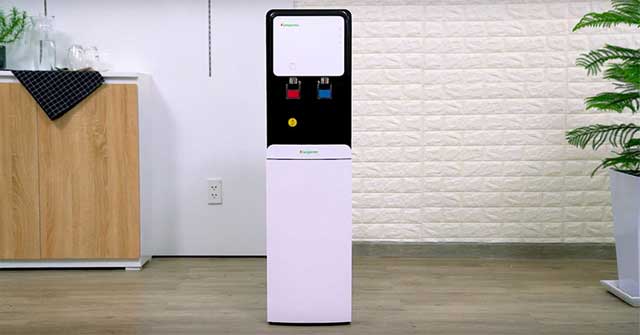
What is a hot and cold water filter?
A hot and cold water dispenser, also known as a hot water dispenser, is a device that perfectly combines a normal water dispenser and a hot and cold water dispenser. Owning a hot and cold water purifier you will be able to both filter water and have hot water and cold water for daily activities.
Structure and principles of hot and cold water dispenser
Depending on the brand and model, this hot and cold water dispenser is constructed differently. However, they are basically made up of parts such as:
- Cold sensor
- Cold water bottle
- Hot water bottle
- Filter cores depend on each type of machine: Nano filter core, coarse filter core, carbon filter core, RO filter membrane.
- Waste water regulation device
- Water supply
- DC converter
- Electronic valve
- Cooling block
- Turbochargers
Today, most types of hot and cold water filters use block technology instead of electronic chips and they are also commonly used RO filtration technology. This will help increase the ability of water to retain heat and be safe for users' health.
About the mechanism of making hot and cold water
To create hot water, the product is equipped with 1 electric heating bar and relay to control the temperature. This temperature depends on the model of the product. For example, the machine can heat water at a temperature of 85-95 degrees Celsius:
- If the temperature is lower than 85 degrees, the relay will automatically turn on the bar
- If the water temperature exceeds 95 degrees C, the relay will automatically disconnect the heater
To create cold water, the machine needs a block like the refrigerator, but this block is much smaller in size. To control the water temperature, the device is also designed with thermal relays. In addition, the machine also has a second thermal relay so that when the water temperature drops too low, it will automatically disconnect the power so that it does not happen the freezing water causes the bottle to break.
About water filtration mechanism
Made quite similar to water purifiers. The same filters with RO filter will help to remove the dirt, bacteria, viruses, and harmful substances in the water to create a pure water source.
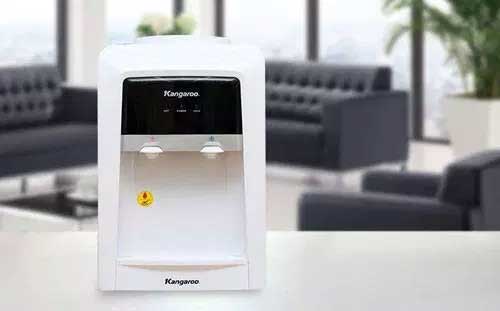
Note when buying and using hot and cold water purifiers
When buying a device, you need to keep in mind:
- Choose a machine with water purification technology suitable for domestic water sources of the family
- Select the capacity and appropriate storage capacity
- It is recommended to choose a machine with features that protect against overheating to provide safety for users
When using the device, note:
- Install the machine in a cool place, avoid high heat source
- Place the machine at least 10-15cm from the wall
- Cleaning, check the machine regularly
- For models with storage compartments you should not store food in them
- Use a separate plug that is not used with other electrical equipment
Suggest some popular hot and cold water purifiers today
Here are some popular hot and cold water filter models that most people use:
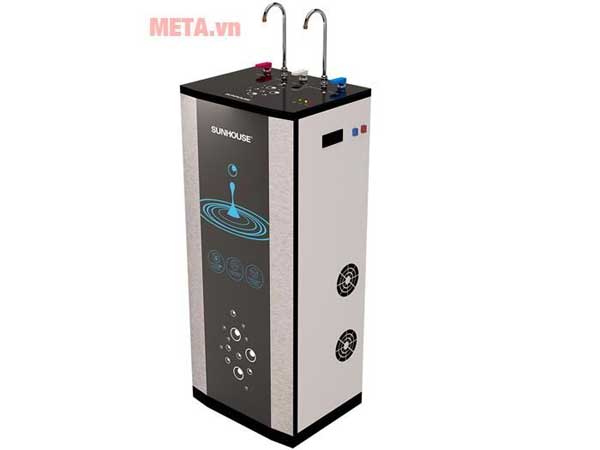
The RO water purifier integrates Sunhouse SHR76210CK 10-core cold water heater
Features of Sunhouse SHR76210CK
- Application of RO technology with 10 smart filter cores helps water source to be pure, ensuring safety for users' health.
- Cold water temperature from 5-10 degrees C, hot water temperature 85-90 degrees C meet many different uses of users
- Modern machine design, made from high quality materials with high durability and convenient for cleaning process
Products with promotional prices up to July 30, 2019 , are VND 6,590,000 , 5-year warranty for electricity.
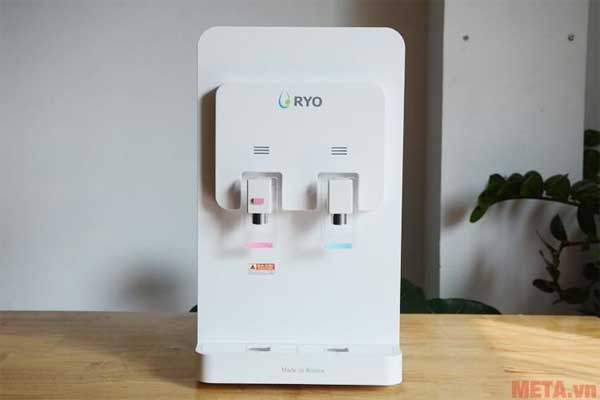
UF technology water heater Compact RP100H
Features of Compact RP100H:
- Produced on technology lines of ISO 9001: 2008 and ISO 14001: 2004 standards
- Compact design suitable for table, kitchen shelf. help save space
- Able to kill bacteria thoroughly, combined with coal filter, cationic, ceramic, natural mineral minerals in 4 filter cores
- The machine uses state-of-the-art UF technology with a 0.1 ~ 0.001 micron filter to completely remove harmful bacteria and foreign impurities.
- The machine does not produce waste water, saving as many as 80% of the cost
Products cost VND 9,480,000 , 36 months warranty.
High-quality RO water dispenser NKW-00009C
Features of NKW-00009C:
- The machine is equipped with 9 filter levels that can completely remove contaminants, bacteria, viruses and supplement essential minerals for drinking water.
- Maximum temperature> 90 degrees so you can make tea, coffee, noodles. quickly and conveniently
- Cold water temperature reached
Currently the machine is being sold for VND 7,310,000 , 12 months warranty.
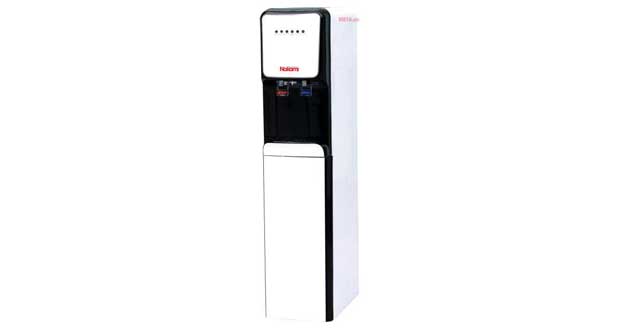

With the above information, hope you have a better understanding of this hot and cold water filter line. If you need to use it, please contact us for advice and fastest support:
In
FAQ
What is Structure and Principles of Hot and Cold Water Dispenser about?
It provides a structured overview of water dispenser, explains the main context, and highlights practical takeaways for readers.
Why does this topic matter?
Understanding the main concepts helps readers evaluate the issue, avoid common mistakes, and make better-informed decisions.
How should readers use this information?
Use the guidance as a practical starting point, confirm details that may have changed, and follow current product, safety, or security recommendations.
Related Articles
 Water Dispenser: Should Buy a Hot and Cold Water Filter7 minutes read
 Hot and Cold Water Dispenser and Hot Water Dispenser, Which One9 minutes read
 Use Hot and Cold Water Plants or Water Dispenser7 minutes read
 What Kind of Water Heater Is Good for Your Family?7 minutes read
 Should Kangaroo Hot and Cold Plants Be Used?6 minutes read
 Cause and Remedy Error on Hot and Cold Water Plants7 minutes read
Reader Comments 0
Sign in with email or Google to join the discussion.