Table of Contents
Polishing a stainless steel sink is easier than you think. Here are detailed instructions on how to polish a stainless steel sink.
Polishing a stainless steel sink is easier than you think. Here are Detailed instructions on how to polish a stainless steel sink.
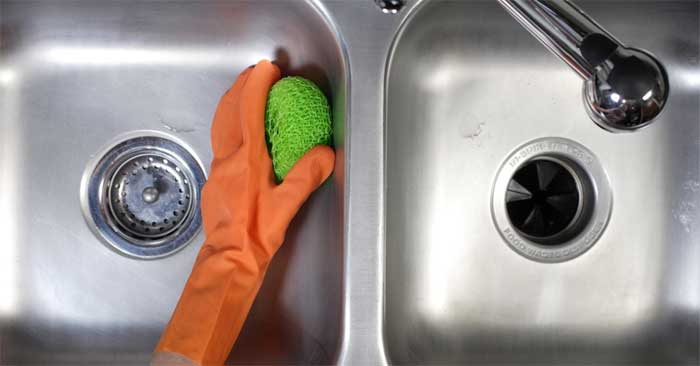
Sinks are one of the most used items in the home, whether in the bathroom, kitchen or laundry room. In fact, sinks can easily lose their shine and look dull due to frequent use between washing dishes, washing hands and preparing food. However, it is important to learn how to polish a stainless steel sink to achieve the desired look and keep the sink clean and odor-free.
Why should you polish stainless steel sinks?
The number one reason is to ensure it stays in tip-top condition, like new. Polishing smooths out microscopic scratches and grooves where dirt and minerals tend to accumulate. It's a quick way to ensure your bathroom or kitchen sink stays looking its best, even with regular use.
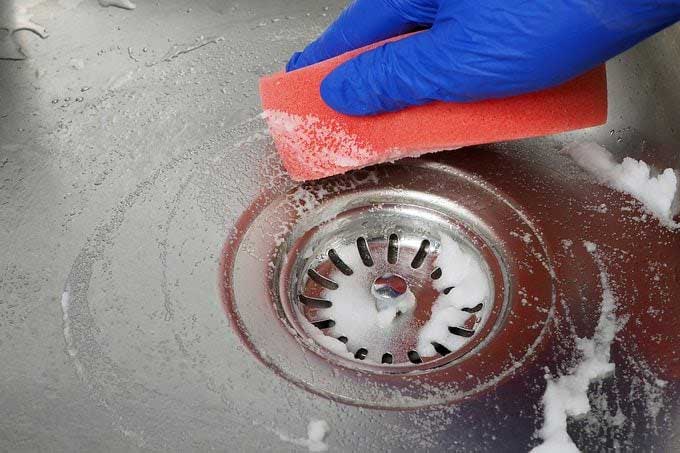
How to polish stainless steel sinks
You can find several methods for polishing a stainless steel sink. Since you will need to do this regularly, choose the method that works best for you.
Use flour
One of the easiest ways to polish a stainless steel sink is with flour. That's right—flour is the key to a shiny, stain-free sink in your home. All you need is a soft cloth, flour, and a warm, soapy sponge.
Note that the sink needs to be clean before polishing. So you will need to remove the dishes and clean the surface as normal. Once this is done, you can begin polishing.
To do this, dust the sink with a thick layer of flour until it covers the entire sink. Then, take a cloth and buff the flour until the stain is gone.
Use olive oil or mineral oil to polish.
This method is ideal for giving a stainless steel sink a shine, says Corey Buescher, a virtual appliance repair expert at Frontdoor. After cleaning and drying the sink, apply a little olive oil or mineral oil to a soft cloth. Then, rub the oil into the sink in the direction of the wood grain until the surface is evenly shiny, then wipe off the excess oil with a dry cloth.
Using baking soda and vinegar
Buescher also recommends using baking soda and vinegar to polish stainless steel sinks. This will help to make the sink shine and remove unpleasant odors.
'Start by sprinkling baking soda onto the damp sink, then gently scrubbing with a soft sponge along the length of the steel.' 'Then, spray white vinegar onto the baking soda, which will start to fizz. Let it sit for 5–10 minutes.'
Then, rinse with warm water and dry the sink completely with a soft cloth.
Use a specialized polish
After using this, finish cleaning the stainless steel sink with a little oil to add shine and wipe it off with a microfiber cloth. Then add a few drops of olive oil and gently rub it in with a clean cloth, and finally buff the remaining solution with a clean, dry cloth until the sink looks shiny.
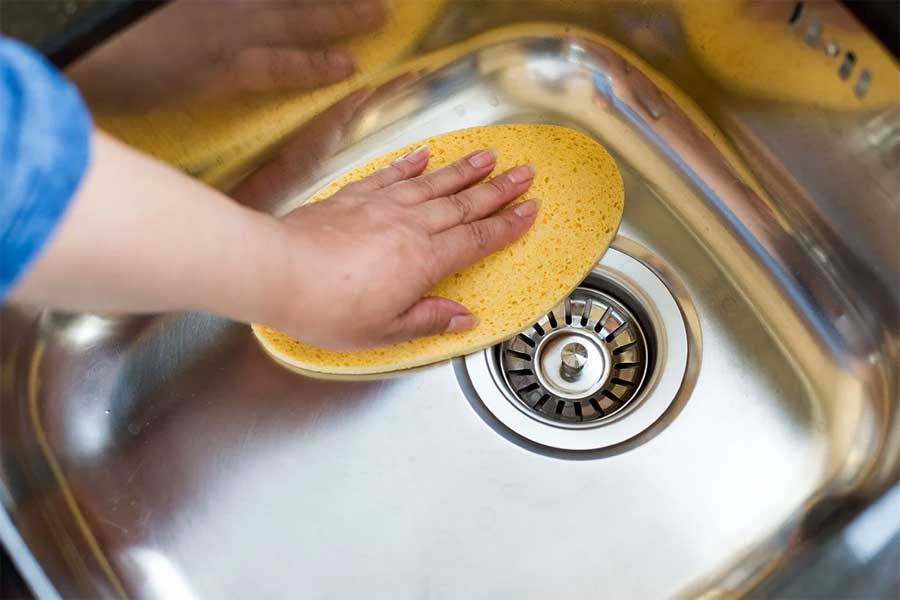
How often should you polish your stainless steel sink?
There really is no one-size-fits-all answer. It depends on how often you use your sink and when it needs some serious care.
' As a general rule, if you live in a small household or cook infrequently, you should polish once a month to maintain shine and cleanliness ,' says Buescher. ' On the other hand, if you live in a larger household or cook frequently, you should polish your stainless steel sink every 1-2 weeks to prevent buildup, water spots, and stains .'
In addition to polishing away odors, Buescher recommends using an odor eliminator, such as lemon or vinegar, to keep the sink smelling fresh.
FAQ
How do you polish stainless steel sinks: step-by-step guide?
In practical terms, polishing a stainless steel sink is easier than you think. Here are detailed instructions on how to polish a stainless steel sink.
What should you check before getting started?
Review the requirements, compatible device or software version, and any warnings described in the guide before making changes.
What should you do if the steps do not work?
Repeat the steps in order, confirm that your app or system is up to date, and review the troubleshooting details provided above.
Related Articles
 Should I Buy 304 or 316 Stainless Steel Appliances: What to Know3 minutes read
 Stainless Steel Pot Buy Any Good, Where to Buy Quality Assurance10 minutes read
 Should Choose Between: Aluminum Pot and Stainless Steel Pot?11 minutes read
 How to Clean Stainless Steel Appliances6 minutes read
 New 3D Printing Techniques Especially for Stainless Steel Materials3 minutes read
 Top of the Best Selling Stainless Steel Welding Machines Today6 minutes read
Reader Comments 0
Sign in with email or Google to join the discussion.