Table of Contents
To earn Duolingo XP efficiently, complete useful lessons during a boost you have actually received, check the quests available in your account, and use review activities that address mistakes. XP rewards and boost rules change, so the values and timers displayed in your app are more reliable than an old fixed-points formula.
You do not need an XP hack. A high score can support motivation, but it does not show how well you can understand or use a language outside the app.

What XP measures
XP is Duolingo's activity reward. Lessons, practice, Stories, and other available activities can contribute to it, and it is used in leaderboard competition. The amount depends on the activity and current reward rules.
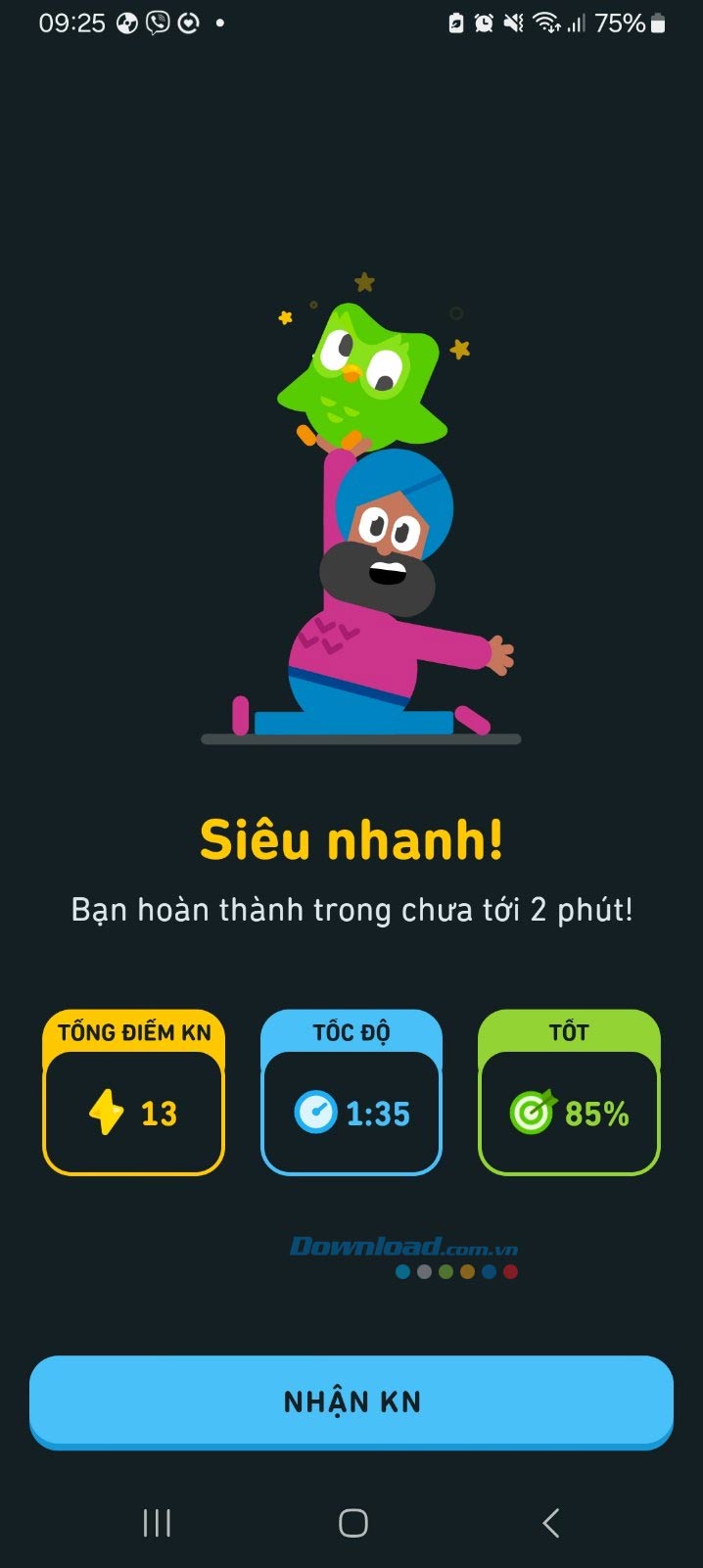
XP is different from a streak, course progress, or a proficiency assessment. Repeating very easy exercises can produce points without addressing your current learning needs.

Duolingo itself describes XP as part of its motivation system in its learning guide. Use it as encouragement rather than a substitute for progress through suitable material.
1. Check the boost before planning the session
When the app awards an XP boost, read its multiplier, duration, activation behavior, and any claim deadline. Some rewards must be claimed or used within a window. Do not assume every account receives the same reward after the same lesson.
If you can choose when to claim a reward, use it when you have time to study attentively. If it activates immediately, work through an appropriate activity rather than rushing to exploit every remaining second.

2. Treat time-of-day rewards as account-specific
Older guides describe Early Bird and Night Owl rewards with fixed morning and evening windows. If your app offers these, follow the window shown there, including any claim period. Do not change your sleep schedule or assume a missing reward means the account is broken.
A reward can help you return to a regular study session. It should not make you delay all useful practice until a particular clock time.
3. Complete normal lessons and available quests
Check the current quest requirements and work toward them through lessons you need. A Friends Quest can add a shared goal when that feature is available, but rewards and schedules should be read from the quest itself.
Do not abandon or “undo” completed lessons to force a reward. If you stop partway through a session, resume normally and check what the app actually awards.
4. Use review when it has learning value
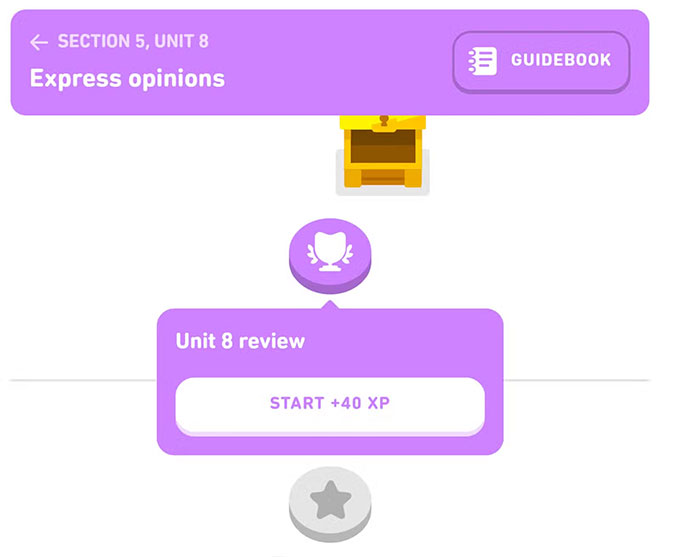
Review difficult vocabulary, listening, or past mistakes rather than choosing only the easiest repeatable activity. If a unit review and an active boost align, that can be a useful time to complete it.
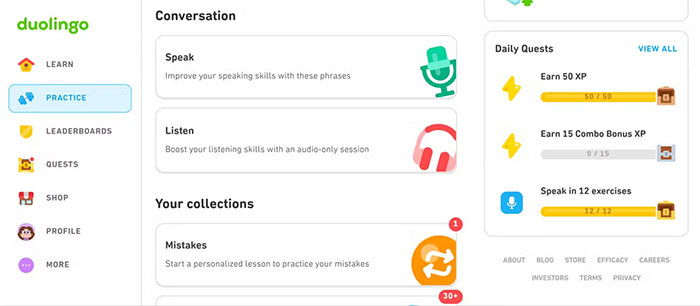
Before repeating an exercise, identify what you want to improve. Try saying the answer aloud or forming a new sentence afterward so the review has a purpose beyond adding points.
5. Do not assume bonuses stack in a particular way
Older examples combine a Saturday bonus, an XP boost, and a fixed unit-review score to promise a specific total. Those calculations are not universal. Use the final reward shown in your app and the terms of the active event.
Duolingo has changed XP incentives to encourage learning along the path, as explained in its learning-metrics discussion. A strategy based on an older interface may no longer be efficient.
Build a session that serves both goals
- Choose the new lesson or weak skill you will work on.
- Check whether an available boost can fit that session.
- Complete the activity carefully and review errors.
- Finish with a short recall task without answer choices.
- Stop at the planned time instead of repeatedly extending the session for rank.
If leaderboard pressure makes study less useful, review the social/privacy options described in Duolingo's leaderboard guide. Competing is optional; a sustainable learning routine is still valuable without a league target.
Related Articles
 Duolingo - Download Duolingo here
 Review Duolingo free online language learning tool
 Why should you choose Ling language learning app instead of Duolingo?
 Prepare Japanese learning spirit on Duolingo
 7 virtual screen applications to maximize the Ultrawide screen
 10 Ways to Maximize Your Experience with Google AI Studio and Gemini
Reader Comments 0
Sign in with email or Google to join the discussion.