Table of Contents
Washing your car about every two weeks is a useful starting routine, but the right interval depends on what lands on it. Road salt, coastal spray, bird droppings, insects, and tree sap deserve attention sooner than ordinary light dust.
A garage-kept car used occasionally may need fewer full washes. A car driven on salted roads or parked under trees may need more. Inspect the surface rather than relying only on a calendar.
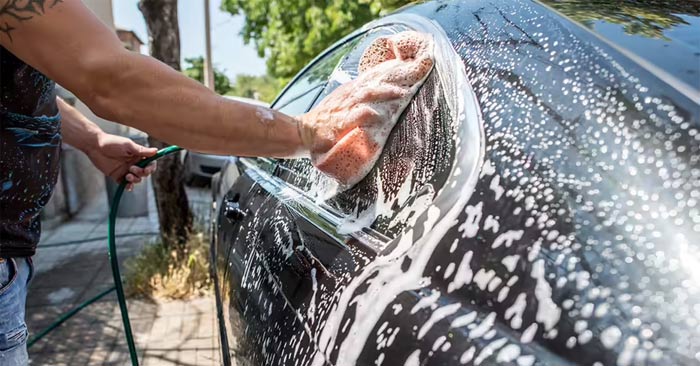
When to wash sooner
- After exposure to road salt: clean the affected exterior and underbody using a method approved for the vehicle.
- When droppings, sap, or insects appear: remove them promptly with a suitable product and gentle technique; do not scrape hardened deposits across the paint.
- After mud or heavy grime builds up: rinse away loose dirt before touching the finish.
Manufacturer guidance takes priority for matte paint, wraps, special trim, and aftermarket coatings. Ford's vehicle-care guidance, for example, emphasizes regular washing and prompt removal of contaminants.
How to wash without adding scratches
Work on a cool surface out of strong sunlight. Use an automotive shampoo suitable for the finish, clean wash tools, and plenty of rinsing. Keep tools used on dirty wheels separate from those used on painted panels. Household dishwashing detergent is not a substitute for an appropriate car shampoo.
Dry with a clean, soft towel rather than allowing dirty water to dry on the surface. See how to dry a car for the drying stage. If using powered equipment, read the vehicle's pressure and distance limits first; TipsMake's car-washer guide provides equipment context.

Clean the interior according to its materials
Vacuum loose debris from seats, seams, and removable mats. Blot spills promptly and use a cleaner approved for the upholstery. Test it in an inconspicuous area first, avoid soaking seats, and keep liquid away from switches and electronics.
Leather, coated leather, vinyl, and fabric need different care. Follow the owner's manual instead of applying a universal conditioner on a fixed schedule.
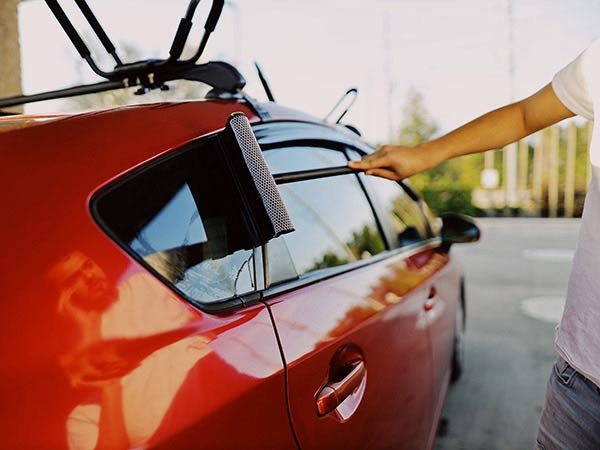
Washing, waxing, and polishing are different
Washing removes dirt. Wax or sealant protects a compatible exterior finish. Abrasive polishing corrects defects and should not be treated as a routine washing step.
Reapply protection according to the product and finish instructions. Water beading can be one observation, but it does not by itself prove that protection is present or absent. Do not wax interior surfaces, glass, matte finishes, or unpainted trim unless the product and vehicle instructions specifically permit it.
Related Articles
 How to wash your hands with soap or dry hand soap, which is better?
 Fabrics you should not wash often
 The best way to wash fruits is to remove chemicals
 Should you use non-touching car wash powder or non-touch car wash water better for car wash service?
 4 notes not to be missed when washing a car at home
 How to Open a Green Car Wash
Reader Comments 0
Sign in with email or Google to join the discussion.