Table of Contents
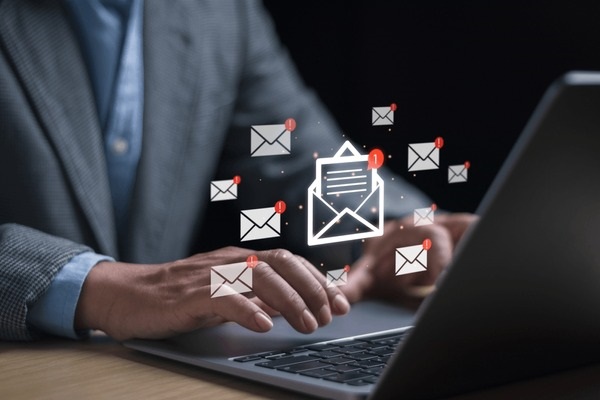
Unlike social media posts that may not reach every follower, emails give businesses a direct way to communicate with people who have chosen to receive their messages. When emails provide relevant information and genuine value, they can help strengthen customer relationships and support long-term business growth.
For local companies, maintaining relationships with existing customers can be just as important as attracting new ones. A restaurant can announce seasonal menu items, a salon can share appointment reminders, and a retailer can inform customers about new products. A well-planned email marketing for repeat customers strategy allows businesses to send timely, relevant messages that give people a reason to return without overwhelming their inboxes.
1. Keep Customers Informed
Email gives businesses a convenient way to share information customers may find useful. Updates can include new services, changes in business hours, upcoming events, product launches, and seasonal offers.
For example, a local fitness studio might announce a new class schedule, while a home services company could remind customers about seasonal maintenance. These messages keep the business visible and help customers understand what is available.
Keep emails focused on one main purpose. Use a clear subject line, concise copy, and a direct next step, such as visiting a website or booking an appointment. Avoid sending messages so frequently that subscribers begin to ignore them.
2. Encourage Repeat Purchases
Existing customers already have some familiarity with a business, making relevant follow-up communication valuable. A retailer might notify previous buyers about complementary products, while a salon could send a reminder when a customer may be due for another appointment.
Timing and relevance matter. Messages should reflect the customer’s interests and the nature of the purchase rather than sending the same promotion to everyone. A simple thank-you email after a transaction can also make customers feel appreciated.
Businesses should avoid making assumptions about individual needs. Use purchase history or preferences only when collected appropriately and in line with applicable privacy requirements.
3. Personalize Messages Without Overdoing It
Personalization can make emails more useful by tailoring content to customer interests, location, or previous interactions. For example, a business might send information about a service someone previously asked about or share a relevant update with customers who opted into a particular mailing list.
However, personalization should feel helpful rather than intrusive. Businesses do not need to use complex technology to begin. Separating subscribers into a few practical groups and sending relevant content to each group can be an effective starting point.
Always keep subscriber information secure and provide a clear way for recipients to manage their preferences or unsubscribe.
4. Build Trust Through Useful Content
Not every email should be a sales pitch. Sharing practical advice, answering common questions, or explaining how to get more value from a product or service can give subscribers a reason to stay engaged.
A local garden center might send plant-care tips, while an auto repair shop could provide seasonal vehicle maintenance advice. This content demonstrates knowledge and helps customers make informed decisions.
Promotional emails can still be effective, but they work best when balanced with information that genuinely benefits the audience. Honest offers, clear terms, and accurate claims help preserve trust.
5. Measure Results and Improve Campaigns
Businesses should track performance to understand which emails are useful. Important measures include clicks, conversions, unsubscribes, and the number of customers who book appointments or make purchases after receiving a campaign.
Open rates can offer some context, but privacy features and email tracking limitations can make them less reliable. Clicks and completed actions often provide stronger evidence of engagement.
Email marketing for repeat customers represents more than sending regular promotions. A successful approach uses customer feedback and campaign results to improve message timing, content, and relevance over time.
Businesses should also follow applicable email marketing rules, including requirements for consent where relevant, accurate sender information, and working unsubscribe options. In the United States, the CAN-SPAM Act establishes requirements for commercial email, including honoring opt-out requests.
Key Takeaways
- Use email to share useful updates and maintain customer relationships.
- Send relevant follow-ups that encourage customers to return.
- Personalize messages responsibly and protect subscriber information.
- Balance promotions with practical, helpful content.
- Measure clicks and conversions to improve future campaigns.
- Follow applicable email marketing laws and make unsubscribing straightforward.
Related Articles
 Ways to Optimize Your Email Marketing Campaign
 What is marketing? What is online marketing?
 How to go about YouTube Marketing and Email Lists
 Advertising on Facebook or Email - Which method will become the choice of the business?
 Here’s how you can empower your email marketing with personalization
 5 marketing email errors many people have
Reader Comments 0
Sign in with email or Google to join the discussion.