Table of Contents
English-learning tools serve different needs: structured daily practice, dictionary lookups, lessons from a broadcaster, or vocabulary in video. This is a set of options to compare, not a ranking. Free access and features can change, so check current plans before signing up.
1. Oxford Learner’s Dictionaries: look up words in context
Use Oxford’s online learner dictionary to check definitions, examples, and pronunciation while reading or studying. It is a reference resource rather than a complete course; some dictionary content or companion app features may require purchase.

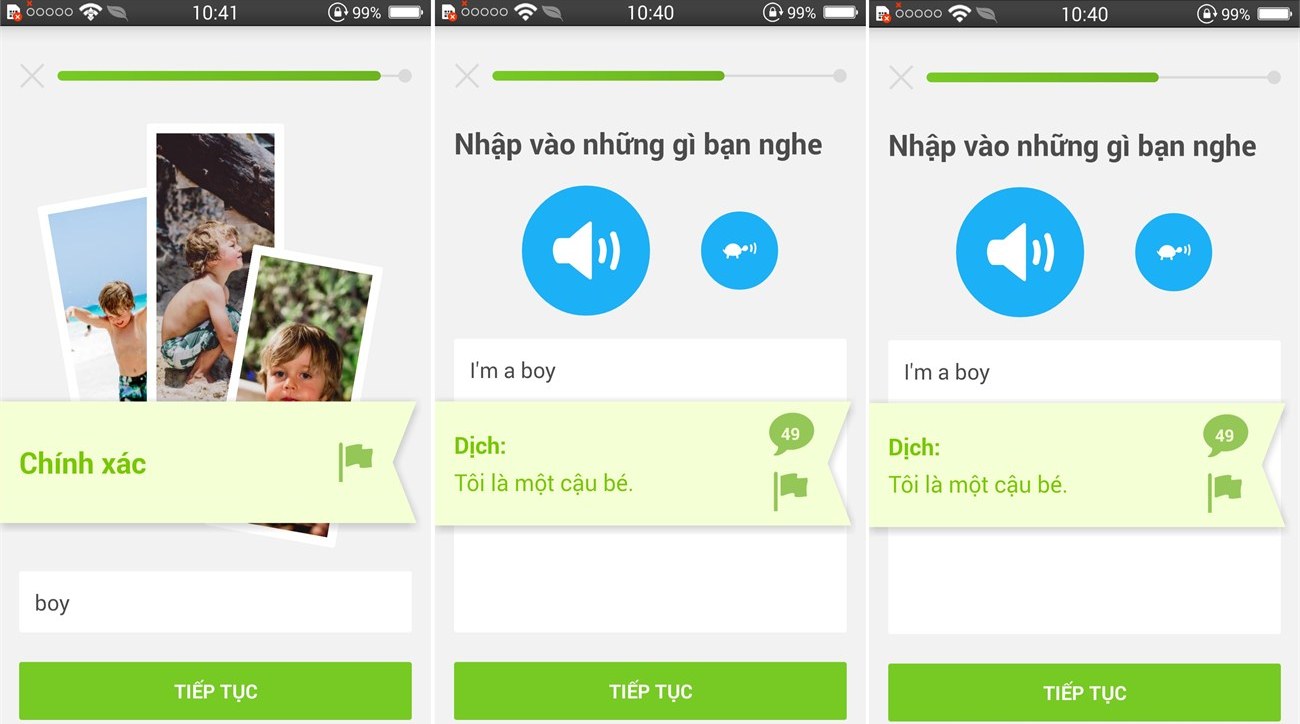
2. Duolingo: short guided practice
Duolingo offers structured language lessons and practice activities. It can help build a regular study habit, but a gamified course alone may not provide enough open-ended conversation, writing feedback, or subject-specific vocabulary. Review what is included in its current free and paid plans.
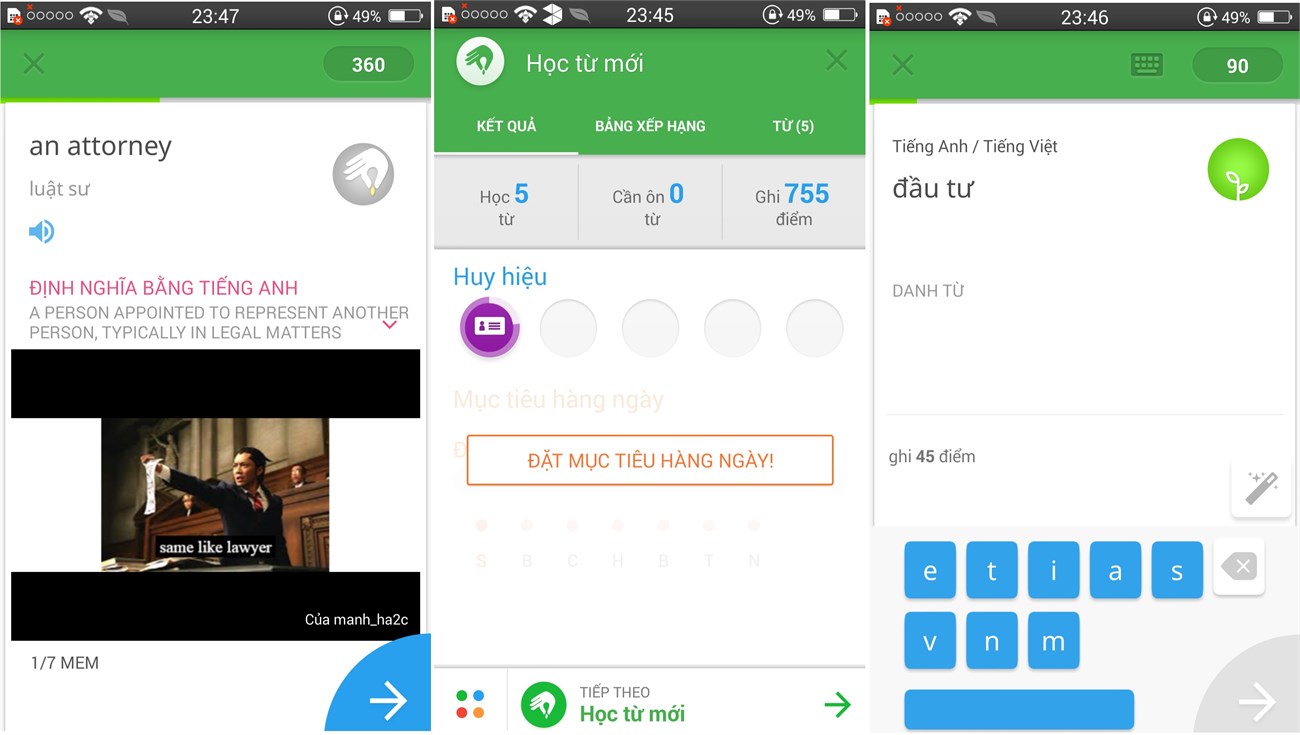
3. Memrise: vocabulary and video-based practice
Memrise offers language courses and video-based learning materials. Compare its current English course, practice tools, and account plan with what you want to study; features and access can vary by platform or subscription.
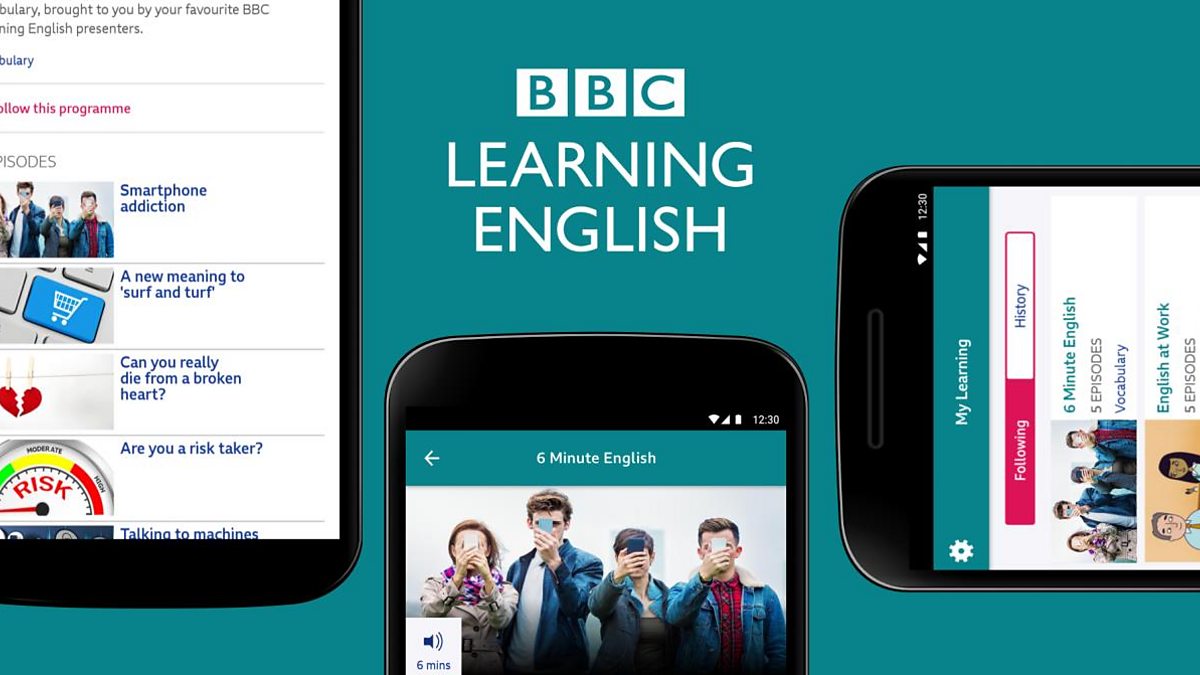
4. BBC Learning English: lessons, audio, and video
BBC Learning English publishes lessons and practice materials across topics such as grammar, pronunciation, vocabulary, listening, and English in the news. Choose material at a level you can follow and use transcripts or exercises when available. Check the current site for its latest collections.
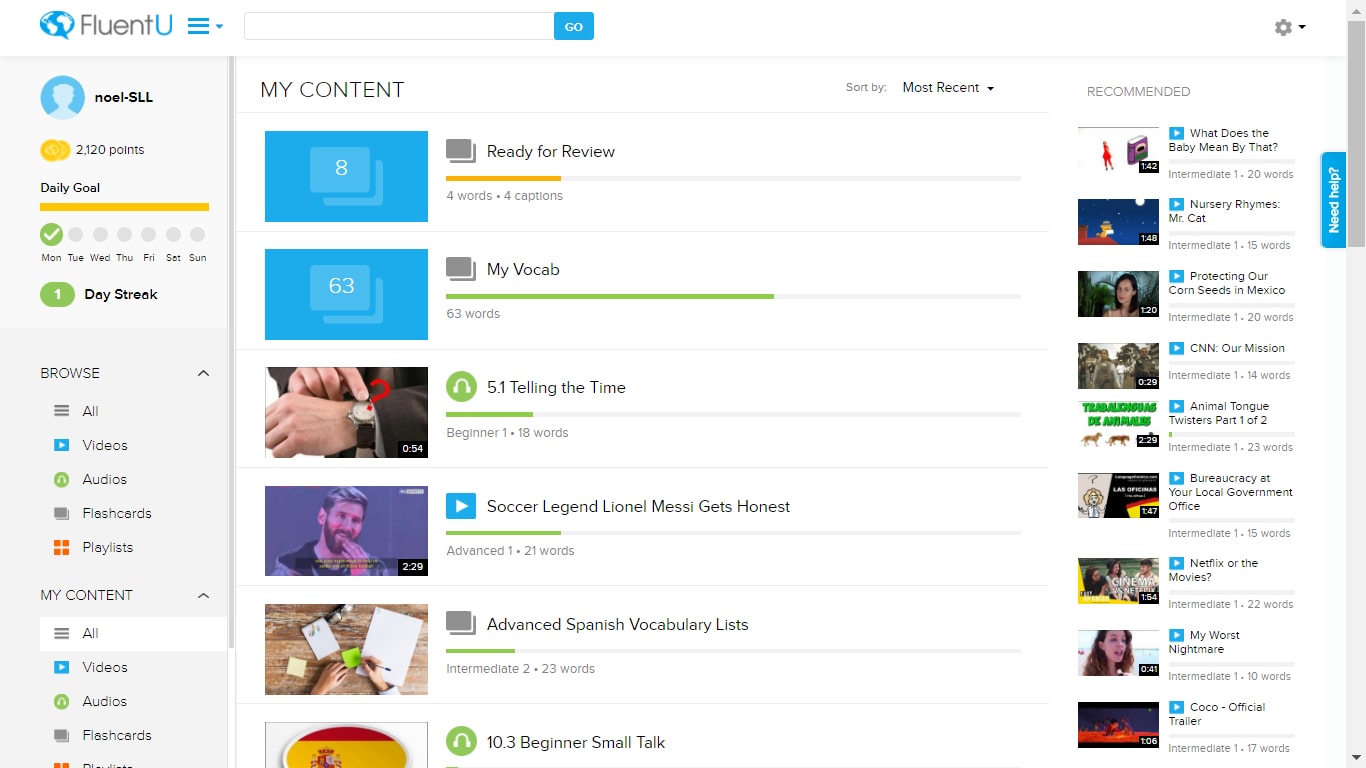
5. FluentU: learn through video
FluentU uses video content with subtitles and vocabulary practice. It may suit learners who want context-rich listening work, but it is a subscription product; check the current trial and billing terms before registering.
How to choose and use a learning tool
- Decide which skill you want to practice: vocabulary, grammar, listening, speaking, reading, or writing.
- Try a short lesson before committing to a plan. Check level, device compatibility, advertisements, offline access, and account requirements.
- Build a routine that combines input and active practice: listen or read, note useful language, then write or speak using it.
- Use a dictionary to verify meaning and example usage instead of memorizing isolated translations.
- For speaking progress, include real conversation or feedback; an app by itself may not provide enough interaction.
For free practice, start with the BBC’s current lesson library and Oxford’s online dictionary. Duolingo and Memrise offer app-based study with access that can vary by plan. FluentU advertises a free trial, but review its subscription terms first.
Visit each provider’s official site: Oxford Learner’s Dictionaries, Duolingo English, Memrise English, BBC Learning English, and FluentU plans.
Related Articles
 4 free English learning apps on smartphones
 The best free offline English learning software
 Edupia AI Class: English Learning Features and Setup for Parents
 The best software for learning English on computers
 Improve your English proficiency with these 11 Web sites
 How to learn English for free with Vndoc, from basic to advanced
Reader Comments 0
Sign in with email or Google to join the discussion.