Table of Contents
Demon Slayer: Kimetsu no Yaiba is at its strongest when a battle gives several characters different problems to solve. These five anime story arcs stand out for their ensemble work: supporting fighters, Hashira, and demons each influence how events unfold.
Spoiler warning: the discussion covers major events through the Swordsmith Village Arc. These are story arcs, rather than individual manga chapters, and the selection is subjective.
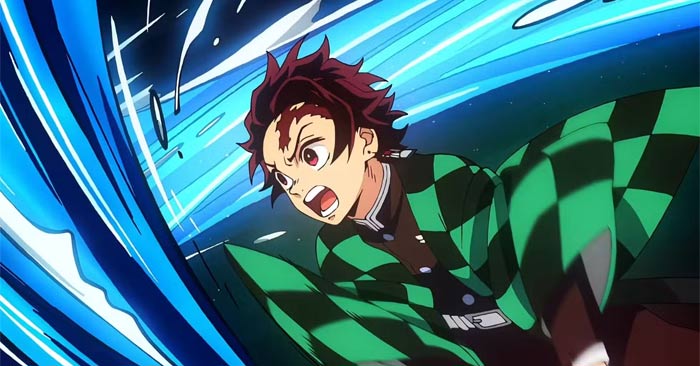
Mugen Train: teamwork followed by a Hashira's defining fight
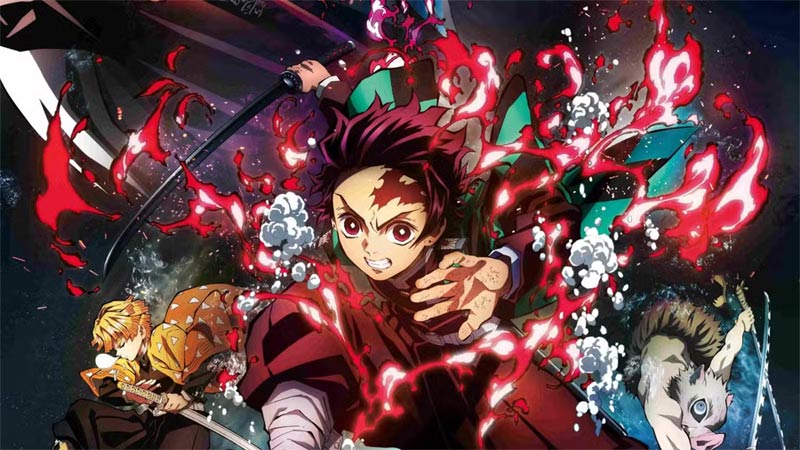
Tanjiro, Nezuko, Zenitsu, and Inosuke join Flame Hashira Kyojuro Rengoku aboard a train where passengers have disappeared. Enmu's dream-based attack creates a different challenge from a straightforward sword fight: the heroes must escape their dreams and protect people spread throughout the train.
The later arrival of Upper Rank Three, Akaza, shifts the focus to Rengoku. His confrontation shows the gap between a talented young slayer and an experienced Hashira—and the danger that remains even for the Corps' strongest members. Choose this arc for a concentrated emotional story rather than the largest cast.
Mount Natagumo: the core trio faces its limits
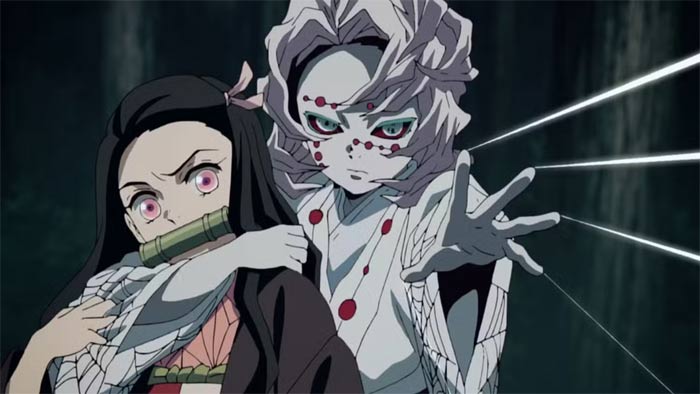
The mountain mission separates the main fighters and gives each a distinct opponent among the spider demons. Zenitsu's fear, Inosuke's stubbornness, and Tanjiro's bond with Nezuko all become part of the action.
Rui is the central antagonist, but the arrival of Water Hashira Giyu Tomioka and Insect Hashira Shinobu Kocho broadens the story. Their intervention establishes how much stronger the Hashira are than the protagonists at this stage. The arc works particularly well if you enjoy battles that reveal character weaknesses as well as new abilities.
Entertainment District: a coordinated fight against shared opponents
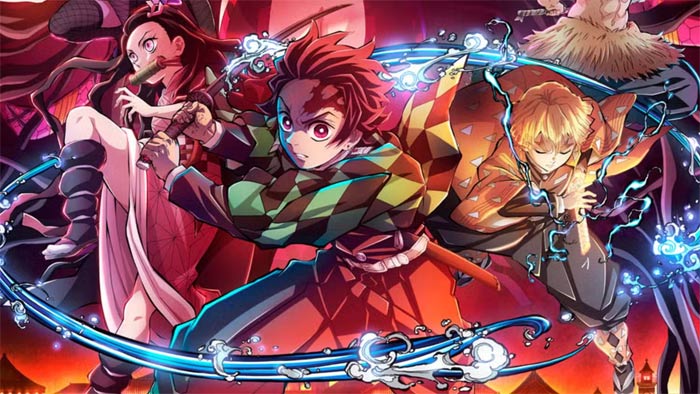
Sound Hashira Tengen Uzui leads the group into the Entertainment District to investigate the disappearance of his wives. The investigation involves disguise, divided responsibilities, and characters operating with incomplete information before the main confrontation begins.
Daki and her brother Gyutaro share Upper Rank Six. Defeating them requires the heroes to coordinate rather than simply win separate duels. Tengen's wives also contribute to the mission. For sustained ensemble combat, this is one of the strongest choices; see TipsMake's selection of notable Demon Slayer battles for a closer look at the action.
Swordsmith Village: a different supporting cast steps forward
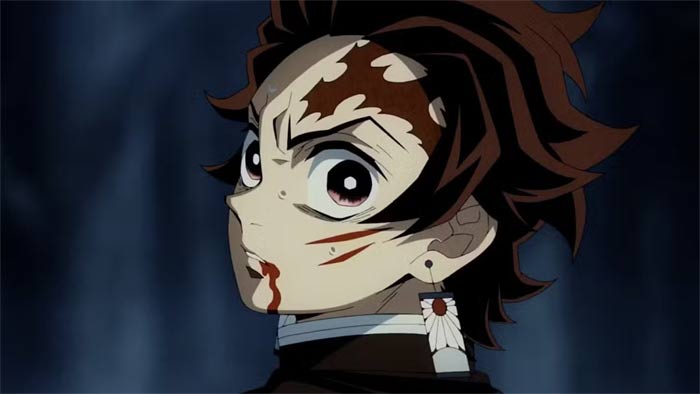
With Zenitsu and Inosuke absent from the main village conflict, Genya Shinazugawa, Mist Hashira Muichiro Tokito, and Love Hashira Mitsuri Kanroji have more room to develop. Tanjiro's visit to repair his sword becomes a fight to protect the people who supply the Corps.
The attacks by Gyokko and Hantengu split the defenders' attention. Muichiro's past and Genya's unusual abilities add personal stakes to the fighting. This arc is especially useful for viewers who want the story to expand beyond the familiar traveling group.
Rehabilitation Training: introductions and recovery between battles
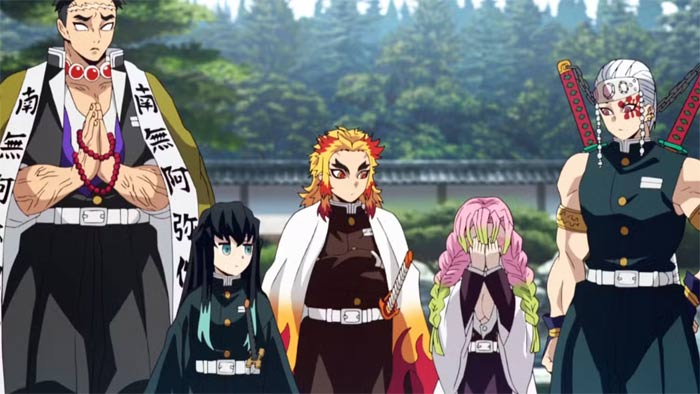
The aftermath of Mount Natagumo brings the Hashira together and places Tanjiro and Nezuko's situation before the Corps' leadership. Recovery at the Butterfly Mansion then gives Aoi, Kanao, and the other residents a role in the protagonists' progress.
Training in Total Concentration Breathing turns improvement into a process rather than an instant power-up. Its quieter pace also gives the cast room to interact without an ongoing battlefield emergency.
For a first viewing, follow the story in order rather than jumping directly to these highlights. The film and television versions of Mugen Train cover overlapping events, so check which version your service lists. TipsMake's Demon Slayer viewing guide gives further context; availability depends on region and provider.
Related Articles
 What's so special about Demon Slayer: Infinity City?
 The best battles in Demon Slayer
 Instructions to watch the entire Kimetsu no Yaiba series for free
 Demon Slayer: Kimetsu no Yaiba - The Hinokami Chronicles
 Instructions for entering the latest Demon Slayer RPG 2 codes and codes
 What is the Infinity Fortress in Demon Slayer?
Reader Comments 0
Sign in with email or Google to join the discussion.