Table of Contents
The US Department of War began publishing declassified records on unidentified anomalous phenomena (UAP) on May 8, 2026. The initial 162-file release has since expanded: by July 10, the government's PURSUE database listed four batches and 334 files from defense, intelligence, law-enforcement, energy, and space agencies.
These records document unresolved observations and historical investigations. “Unresolved” means the available evidence was not sufficient for a firm identification; it does not establish that an object was extraterrestrial.
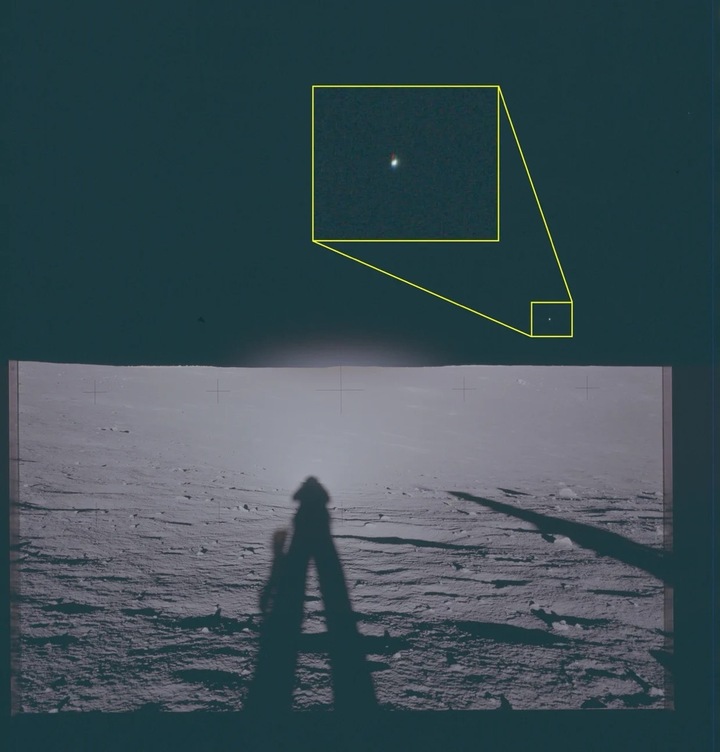
What the PURSUE archive contains
PURSUE stands for Presidential Unsealing and Reporting System for UAP Encounters. The searchable archive includes PDF documents, still images, and video. Its material ranges from decades-old “flying saucer” reports to recent sensor footage and military incident records.
The first release included 120 PDF files, 28 videos, and 14 images. Later batches added more historical records and modern sensor material. The archive now identifies each item by agency, release, incident date, location when available, and file type.
Why some records remain inconclusive
A distant light, an infrared contrast, or an object captured for only a few seconds may not provide enough information to determine size, distance, speed, or origin. Sensor artifacts, balloons, aircraft, drones, astronomical objects, and atmospheric effects can all produce ambiguous observations. Some cases remain open because the necessary data was never collected.
This is why a declassified image should be read together with its report and metadata. A dramatic shape in one frame is not, by itself, evidence of extraordinary technology.
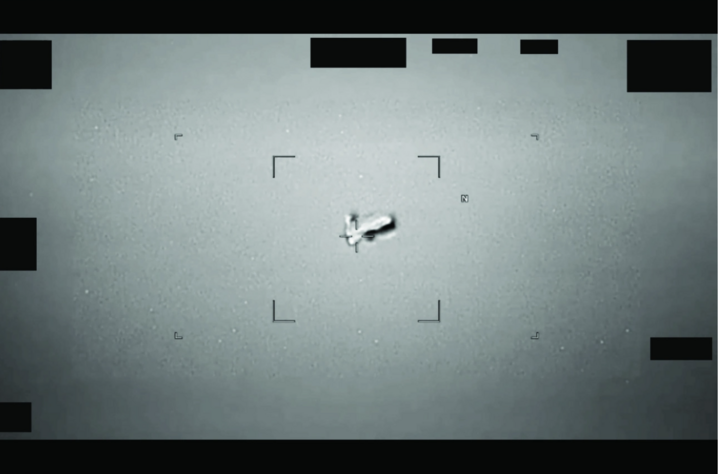
Historical files and newer reports
The collection includes FBI and military records dating back to the 1940s, including material connected with early US investigations of “flying discs.” It also contains NASA images and recent military sensor reports from several regions.
Some familiar documents were already publicly available in other archives; the initiative also includes newly released or less-redacted pages. Readers should check an item's release number and source agency before assuming it was entirely secret until 2026.
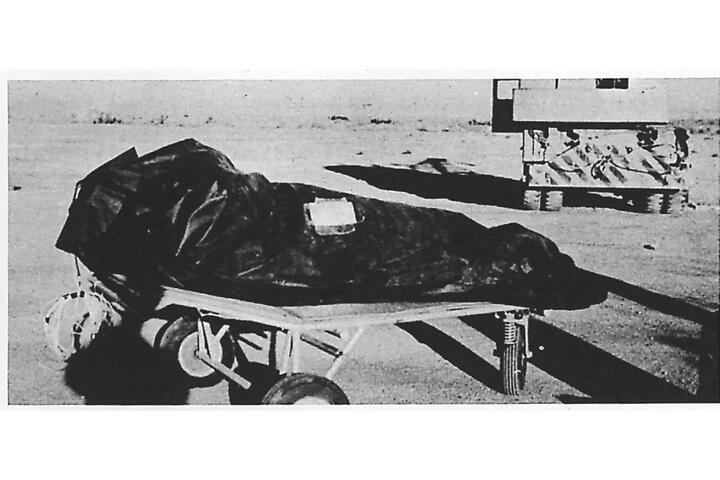
What the government has—and has not—claimed
The release program describes the posted cases as unresolved and invites further analysis. It does not say every object displays unusual performance, and it does not identify the files as proof of alien life.
Earlier government reviews have likewise distinguished unexplained observations from evidence of extraterrestrial origin. A lack of a definitive explanation can simply reflect incomplete or poor-quality data.
How to examine the files responsibly
- Open the record page, not only a screenshot shared on social media.
- Note the source agency, incident date, sensor type, and whether the file is historical or recent.
- Separate a witness estimate from a measured speed, distance, or altitude.
- Check whether a later government report resolved or reclassified the case.
- Avoid treating redaction as proof that the hidden text concerns an alien explanation; redactions can protect people, locations, methods, or facilities.
The official PURSUE database provides the files and subsequent batches. For background on earlier authenticated military footage, see TipsMake's report on the three US Navy UAP videos.
Related Articles
 Pentagon Wall Made from Ancient Bacteria Than Dinosaurs3 minutes read
 The Us $$ 10 Billion Contract Between the Pentagon and Amazon7 minutes read
 Phone Location Data Being Used to Track Americans Amid3 minutes read
 Truth Arena: Top 5 Generals 1 Strong Gold You Should Use6 minutes read
 The Way to Equip the Equipment Is Very Strange but Effective in6 minutes read
 Why Do Americans Believe Water Scanners: Water Swab Machine5 minutes read
Reader Comments 0
Sign in with email or Google to join the discussion.