Table of Contents
A cheap mini karaoke speaker can work for occasional singing in a small room. Buy one only if you can hear both vocals and music clearly at the volume you need. For an outdoor gathering or a larger group, ask for a demonstration at a similar distance before relying on a compact speaker.

Run a five-minute karaoke test
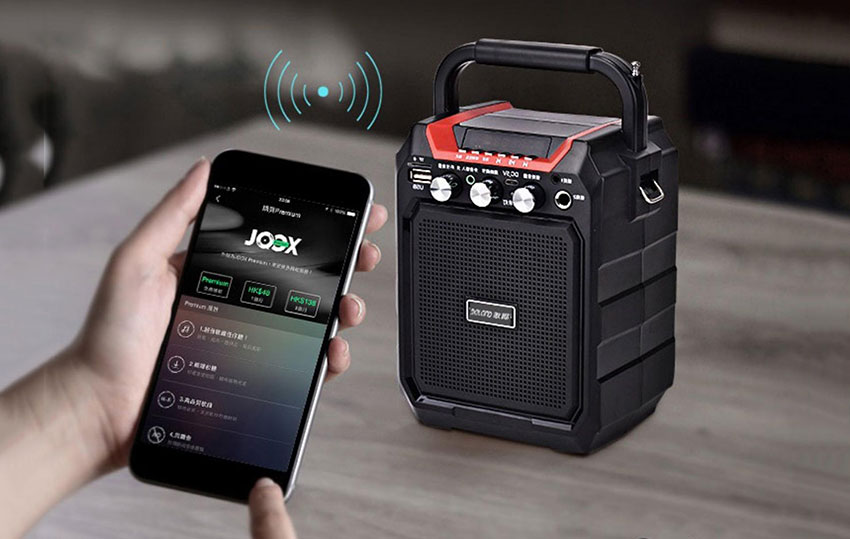
- Pair your phone and play a backing track you know. Bring a USB stick or memory card if you want offline playback and the speaker supports it.
- Use the supplied microphone. Look for separate music and microphone volume controls so you can balance the voice without overwhelming it.
- Sing from where you expect to stand. Listen for distortion, feedback and words getting buried in the backing track. Test both microphones together if you plan to sing duets.
- Run the speaker unplugged. Ask how runtime was measured and whether the stated figure includes active microphones and playback at a useful volume.

Check the size, ports and accessories
Compare the cabinet dimensions and total weight if you will carry it. Driver size describes a component, while advertising may use a different measurement for the cabinet. Neither driver size nor a peak wattage figure tells you whether voices will be clear. If you want to plug in a guitar or a wired mic, check which inputs the unit actually has, including whether a jack accepts instrument or microphone level.
Confirm that the charger, microphone, remote and any required batteries are included. Ask whether the battery and microphone are covered by the return or warranty policy, and whether replacements are available.
When to spend more
Skip the smallest models if you need clear sound at the back of a room, multiple reliable microphones or frequent battery use. For a one-off party, compare the price with renting a larger system that you can test before the event.
Related Articles
 Which mini bluetooth karaoke speakers are good: Soundmax, Microtek or Temeisheng?
 What is the hot SoundMax M-1 speaker that young people are crazy about?
 Top 5 cheap loudspeakers for less than 2 million should buy
 Four simple steps to sing karaoke with SoundMax M-1 portable speakers
 Should I buy mobile speakers or karaoke in this Tet?
 Factors to consider when choosing to buy karaoke speakers for home use
Reader Comments 0
Sign in with email or Google to join the discussion.